

As a manufacturer that has partnered with over 20 potash processing operations across North America and Asia, we know first-hand how much of a persistent headache aperture clogging becomes for teams handling potash flotation tailings, where high-salinity brine, fine crystalline salt particles and sticky clay fractions combine to cake onto standard screen decks within hours of continuous operation. Many operations that relied on traditional metal wedge wire screens found themselves stopping production every 4 to 6 hours for full manual deck scraping, losing thousands of dollars in lost throughput and overtime labor every single week. The targeted anti-clogging system built around our purpose-built self-cleaning screens for potash flotation completely eliminates this recurring pain point, delivering stable uninterrupted classification for tailings dewatering and recovery workflows.
High-Salinity Resistant Polyurethane Panel Formulation
The first core part of this solution uses a custom blended high-salinity resistant polyurethane formulation that will not degrade, swell or lose surface smoothness even after months of continuous exposure to corrosive potash brine, unlike standard rubber or generic polyurethane materials that quickly develop rough pitted surfaces where fine salt crystals easily stick and build up. This specialized material for self-cleaning screens for potash flotation keeps the panel surface consistently smooth, so fine crystalline tailings particles cannot adhere to the deck surface and form the thick compacted cake that causes most clogging issues.
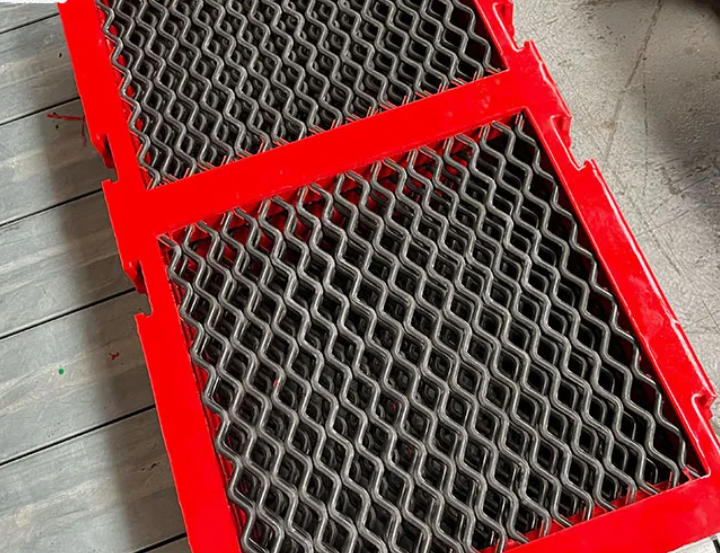
Parallel Elongated Slot Aperture Design
The second key design feature uses precision-molded narrow elongated slots aligned fully parallel to the direction of tailings material flow, instead of the perpendicular or square aperture layouts found on standard industrial screens. This arrangement lets fine brine and small tailings particles pass through smoothly, while preventing sharp angular potash crystals from getting wedged sideways into the openings, cutting the initial particle jamming rate by more than 70% compared to traditional metal wedge wire decks used in potash processing.
Integrated Internal Bouncing Ball Anti-Blinding System
The third critical component adds a full layer of food-grade, brine-resistant bouncing balls housed in independent compartments beneath the screening mesh, which continuously strike the back of the panel during normal operation to dislodge any fine salt particles that do manage to get trapped inside the apertures. This fully passive system requires zero extra power or manual intervention, and it keeps the effective open area of our self-cleaning screens for potash flotation consistently at 90% or higher across weeks of non-stop tailings processing, with zero required manual deck cleaning.
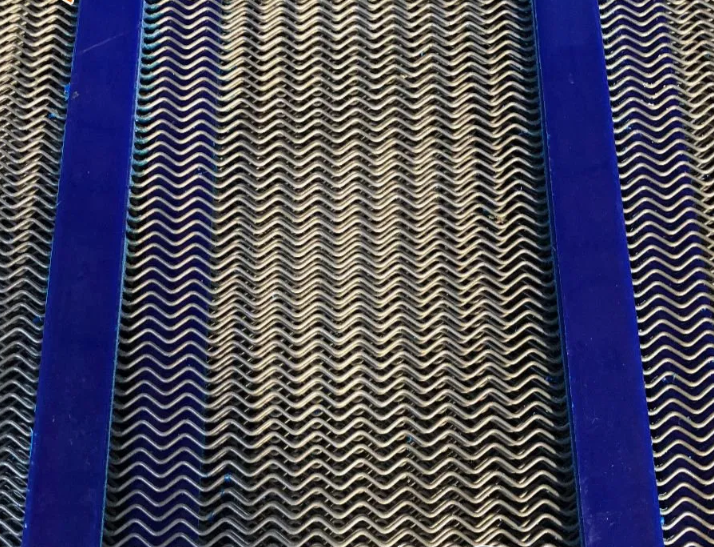
This fully integrated anti-clogging solution has helped our potash processing clients cut annual screen maintenance labor costs by over 65%, boost uninterrupted tailings processing runtime by more than 30%, and recover far more reusable brine and residual potash minerals from their flotation tailings streams. If you need our technical team to run a free on-site assessment of your current tailings screening workflow and put together a fully customized retrofit plan that fits your existing deck structure, we can arrange a visit at a time that works around your production schedule.
Leave a Message