

As a manufacturer that has supplied both hot-dip galvanized and stainless steel self-cleaning screen units to hundreds of mineral processing, dewatering and industrial sizing sites over the past 12 years, we have seen first-hand how the wrong material choice can lead to unexpected premature corrosion, shortened service life and unplanned downtime that far outstrips any initial cost savings. Many operations pick hot-dip galvanized units solely based on lower upfront pricing, only to find surface rust and structural corrosion appearing within 6 to 12 months when processing high-moisture, high-salinity or chemically aggressive materials. Our years of field performance data and targeted lab testing focused on self-cleaning screens Corrosion Resistance makes this comparison clear, helping you pick the right material that matches your exact operating conditions and long-term cost targets.
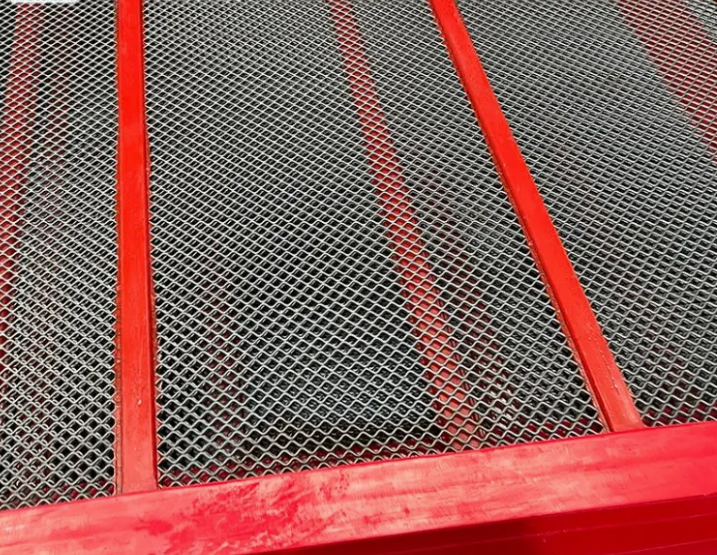
Corrosion Performance Under Normal Non-Aggressive Conditions
Under standard operating conditions with neutral pH water, low-salinity minerals and no harsh chemical additives, properly manufactured hot-dip galvanized self-cleaning screens deliver reliable corrosion protection, with a full zinc coating that seals the steel base material from moisture and oxygen exposure. For general aggregate sizing and dry mineral processing sites, this option delivers perfectly acceptable self-cleaning screens Corrosion Resistance that can match stainless steel units for 3 to 5 years of service life, at a significantly lower upfront purchase price.
Performance in High-Moisture and High-Salinity Environments
When operating in high-salinity brine processing, coastal mine sites or workflows with consistent exposure to high moisture, the thin zinc layer on galvanized screens breaks down rapidly, developing white rust and eventually exposing the underlying steel base material to corrosive elements. By comparison, 304 or 316 grade stainless steel self-cleaning screens maintain full structural integrity in these same conditions, delivering consistent self-cleaning screens Corrosion Resistance that resists saltwater pitting and oxidation for 8 to 12 years, even with continuous daily exposure to high-salinity process water.
Performance in Chemically Aggressive Process Workflows
For operations handling acidic or alkaline process slurries, flotation reagents or other chemically aggressive materials, hot-dip galvanized screens will suffer rapid, uneven corrosion that eats through the zinc coating and base steel in less than 12 months, leading to structural failure and unexpected deck deformation. Stainless steel self-cleaning screens with the correct grade selection resist almost all common weak acid, weak alkali and industrial flotation reagent exposure, maintaining stable structural performance with no major corrosion damage across years of continuous operation.
This clear comparison of self-cleaning screens Corrosion Resistance performance across different operating conditions makes it easy to pick the material that perfectly balances your upfront budget constraints and long-term service life requirements. If you send over details of your exact process material properties, pH levels and typical operating environment, our engineering team can put together a free customized material recommendation that delivers the lowest total life-cycle cost for your specific site.
Leave a Message