

Most screening decks don't die in a single dramatic failure. They wear down quietly — a panel thins here, a tension bolt works loose there — until gradation drifts, throughput sags, and the deck finally has to come out. What separates a set of screen media lasting four months from one lasting ten is rarely budget or luck. It's a handful of small decisions made on the floor, week after week. The practical tips below are the ones that genuinely help you prolong mineral screen life without redesigning your whole circuit.
Match the Media to the Material, Not to the Catalogue
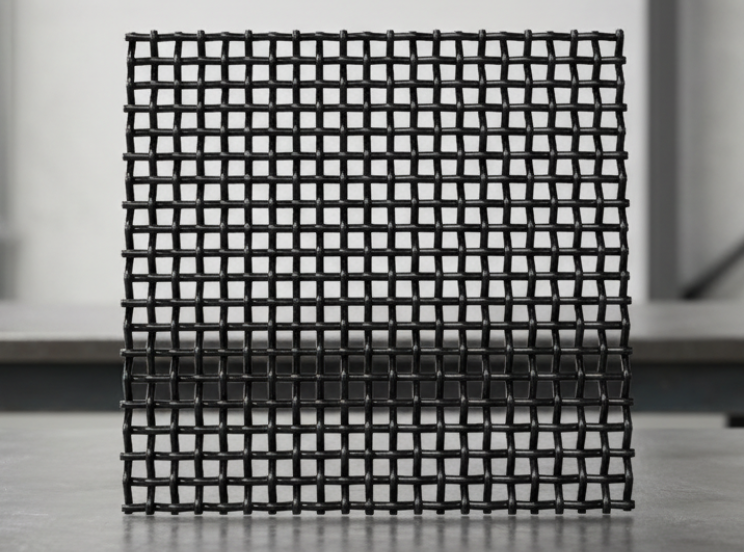
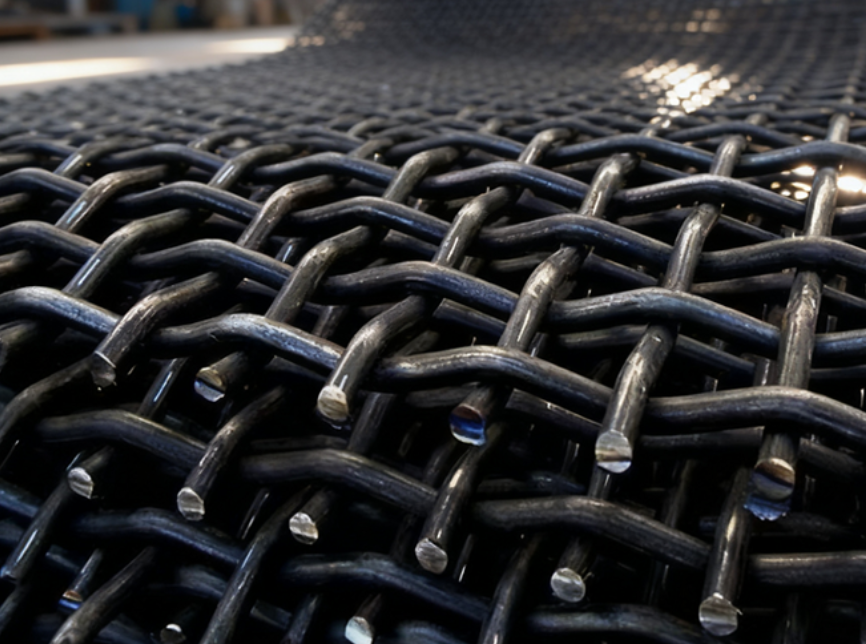
The fastest way to prolong mineral screen life is to stop buying by habit. Abrasive, high-impact feed chews through standard steel, while sticky, fine material blinds a wire cloth that would otherwise last a year. Look at what your deck is actually handling: top size, moisture, clay content, and how much of the load is landing on the first third of the panel. Polyurethane and rubber absorb impact and shrug off abrasion but can struggle with fine, damp feeds; wire cloth often gives the best open area but wears fastest under sharp, heavy rock. Getting this match right usually delivers a bigger gain than any other single change.
Watch Tension, Feed Distribution, and the First Impact Zone
Even the right media will fail early if it isn't seated properly. Loose panels flex, and flexing cracks both the panel and the deck frame. Re-check tension after the first shift on a new installation, not six weeks later. Feed distribution matters just as much: material dumped in one spot concentrates wear on a narrow band while the rest of the panel stays almost new. A simple chute adjustment, a deflector plate, or a slightly steeper feed angle spreads the load and can prolong mineral screen life by months for the cost of a few hours' work.
Treat Cleaning and Inspection as a Routine, Not a Rescue Mission
Blinding and pegging quietly shorten service life because operators compensate by running harder, which accelerates wear everywhere else. Regular cleaning — brushing, ball decks, water sprays, or whatever suits your material — keeps the open area doing its job. Pair that with a short weekly walk-down: look for uneven wear patterns, cracked rails, loose clamps, and material buildup along the frame. These patterns tell you what's going wrong long before a hole appears.
Pick one deck, check its tension and feed spread, and write down what the wear pattern is telling you. Most operations find one fixable issue immediately. If you'd like a second opinion on panel selection or deck setup for your specific material, our team works through these assessments with plants every week — reach out and we'll help you build a setup that lasts longer between change-outs.
Leave a Message