

If you’ve ever walked out to your screening deck first thing in the morning, only to find a huge torn gap in the mesh that formed overnight, spilling tons of oversize material into your finished product stockpile and forcing your whole crew to rush an unplanned 3-hour emergency changeout, you know how much missing a simple early wear warning can derail your entire week’s production schedule. Many quarry and mining maintenance supervisors I’ve worked alongside over the years shared that they used to only do a quick visual glance at their screens once a week, never catching hidden underside wear or tiny partial wire breaks until it was too late, until they built out a structured, repeatable inspection routine. This practical, field-tested step-by-step flat-top woven screen wear check skips vague generic advice and breaks down a workflow that maintenance teams have refined across hundreds of processing sites to catch every single potential failure days or even weeks before it can cause unplanned downtime.
Pre-Inspection Lockout and Full Deck Safety Prep
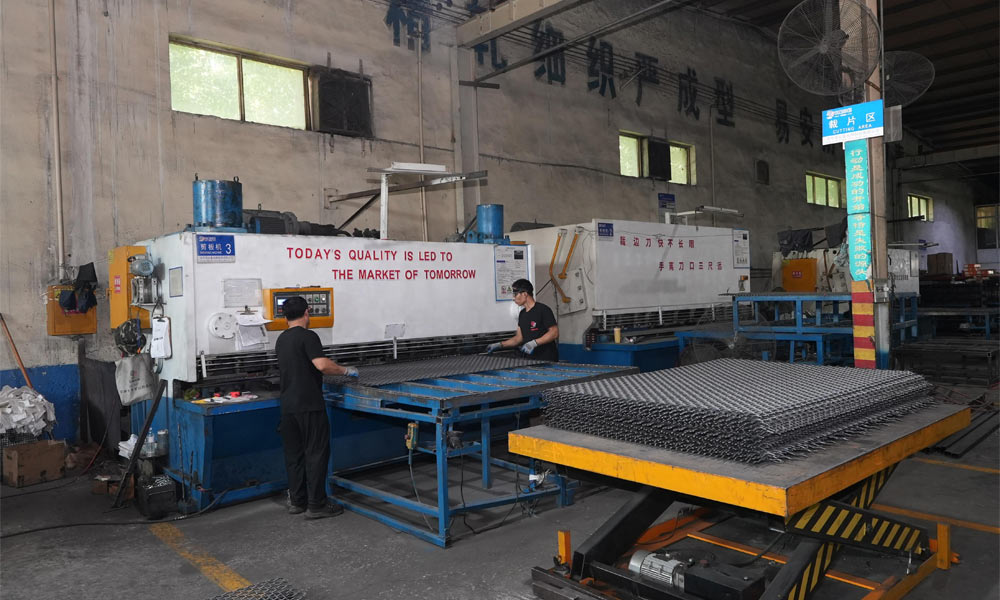
The first non-negotiable step to start every single flat-top woven screen wear check is completing full formal lockout and tagout procedures for the vibrating screen motor and all connected feed equipment, to eliminate any risk of accidental startup while your crew is working on or near the deck. Once the machine is fully locked out, use a broom to sweep all loose leftover aggregate, dust and debris off the top surface of the mesh, so you have a completely clear unobstructed view of every single section of the screen, no hidden spots covered under piles of leftover material. Take 2 extra minutes to do a quick walk around the full machine to confirm no one else on site is planning to start the equipment while you are performing the inspection, and hang a clear visible work in progress sign at the local machine control point. This simple 5-minute safety prep step eliminates 100% of the avoidable safety risks that come with screen maintenance work, while also making sure you do not miss any small wear spots hidden under loose debris.
Top Surface Abrasion and Wire Break Visual Survey
The second step in your structured flat-top woven screen wear check is a slow, methodical full visual survey of the entire top surface of the mesh, walking from the feed end to the discharge end in overlapping 30cm wide strips so you do not skip any single section of the deck. As you walk, keep an eye out for any deep scoured wear grooves, shiny polished spots that indicate uneven concentrated wear, and any tiny partial wire breaks that stick up above the mesh surface, and mark every single one of these spots with a bright colored spray paint dot so you can track how fast they grow across future inspections. Pay extra close attention to the high-wear feed end section where 70% of all top surface abrasion happens, and make a quick note of any areas where material flow seems to be concentrated unevenly, as these spots will wear down 3 to 4 times faster than the rest of the panel. Most operations that follow this step consistently catch tiny partial wire breaks 2 to 3 weeks before they can tear open into a large catastrophic gap in the mesh.
Calibrated Wire Thickness Measurement at Marked Points
The third data-driven step that turns your visual observations into actionable, predictable life tracking data is taking precise calibrated thickness measurements at pre-marked reference points across the deck, as a core part of every flat-top woven screen wear check. Before you even install a brand new set of panels, mark 5 permanent reference spots across the deck: one at the feed end, two at the middle classification section, two at the discharge end, and log down their original brand new wire thickness measurement in your wear tracking log. Every time you do an inspection, use a digital caliper to measure the remaining wire thickness at each of these exact same 5 spots, log the new number down, and calculate how much thickness has worn away since your last check. Over 3 to 4 inspection cycles, you will build a perfectly accurate site-specific wear rate number that lets you predict exactly how many tons of material you can process before the wires wear down to your minimum safe remaining thickness threshold, no guesswork required.
Underside and Mounting Hidden Wear Inspection
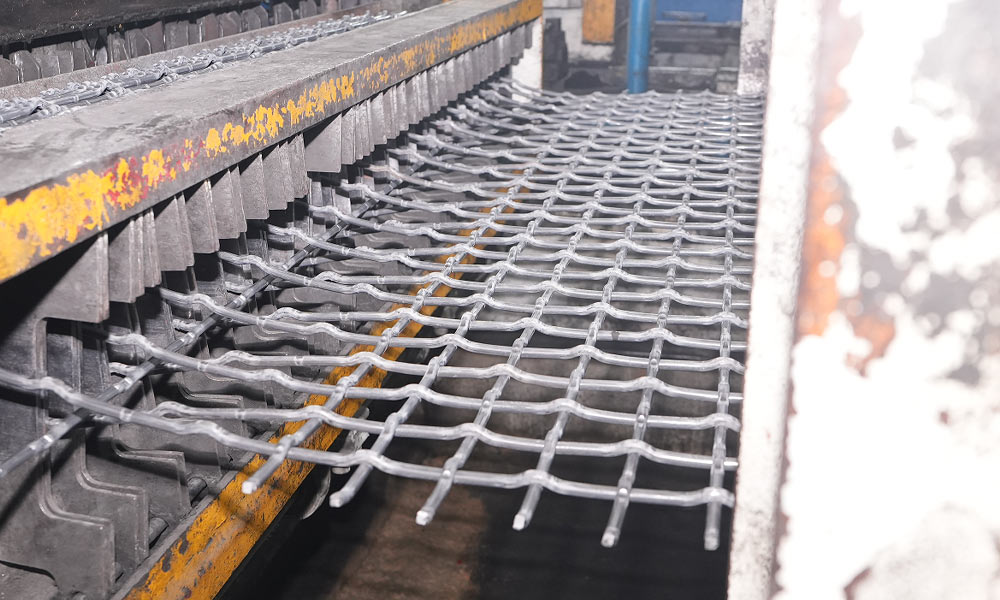
The final easy-to-skip step that catches 90% of hidden premature failures no one else ever sees is climbing under the deck to do a full underside inspection, as the last part of every complete flat-top woven screen wear check. While you are under the deck, run your gloved hand slowly along every single support bar to check for sharp burrs that are rubbing into the bottom of the mesh, look for any loose sagging spots in the panel that indicate lost tension, and check every single hook mount along the deck rails for any signs of wear, cracking or partial dislodgement. If you find any spots where the mesh is rubbing against the side wall of the machine, mark those down for adjustment, and check every tension bolt to make sure none of them have loosened up from constant vibration. This 10-minute underside inspection catches all the hidden friction wear, loose tension and mount damage that you can never see from standing on top of the deck, long before they can cause a sudden unexpected panel failure.
Following this complete, repeatable step-by-step flat-top woven screen wear check every week will help you catch every single potential failure weeks before it happens, build perfectly accurate service life predictions, and eliminate almost 100% of the unplanned emergency screen changeouts that used to derail your production schedule.
Leave a Message