

If you’ve ever had the night shift crash down around you—say, it’s 2 a m, the main dewatering deck just blew open, and suddenly your 800-ton-per-hour circuit grinds to a halt. Wet coal piles up in the stockyard, and your whole production schedule gets thrown out the window. You already know how a cheap, generic screen can wreck your weekly plan, wreck your overtime budget, and pretty much leave you scrambling to meet delivery targets.I’ve spent years swapping stories with plant supervisors all over northern China—having those blunt, honest conversations in coal prep yards and mineral processing sites. Almost all of them started out picking screens based on the lowest price tag. They thought they were saving money, right up until they ran the numbers at the end of the year. Turns out, those bargain-basement panels cost them three times more, once you factor in lost output and emergency repairs. So, here’s a no-nonsense guide—no fluff, no marketing junk. Just real insights straight from hundreds of plant logs that show you what separates a heavy-duty Wire Mesh Screen from all those disposable panels.
High-Impact Resistant Alloy Formulation Survives Continuous Abrasive Feed
The first thing you need is a wire that can actually take a beating. Cheap screens use thin, mild steel that wears through in less than two weeks—so you get surprise shutdowns, scrambling to swap panels in the middle of a high-pressure shift. But with purpose-built screens, you get thick, high-tensile manganese-chromium alloy wire. Manufacturers boost surface hardness past 58 HRC with a multi-stage tempering process. That’s tough enough to handle endless abrasion from sharp ore, gritty coal, and heavy rocks. Plants that invest in these screens saw a jump from 10 days to over 8 weeks of panel life—no sudden failures, even under harsh, nonstop conditions.
Reinforced Hook Tensioning Eliminates Slippage Under Full Load Operation
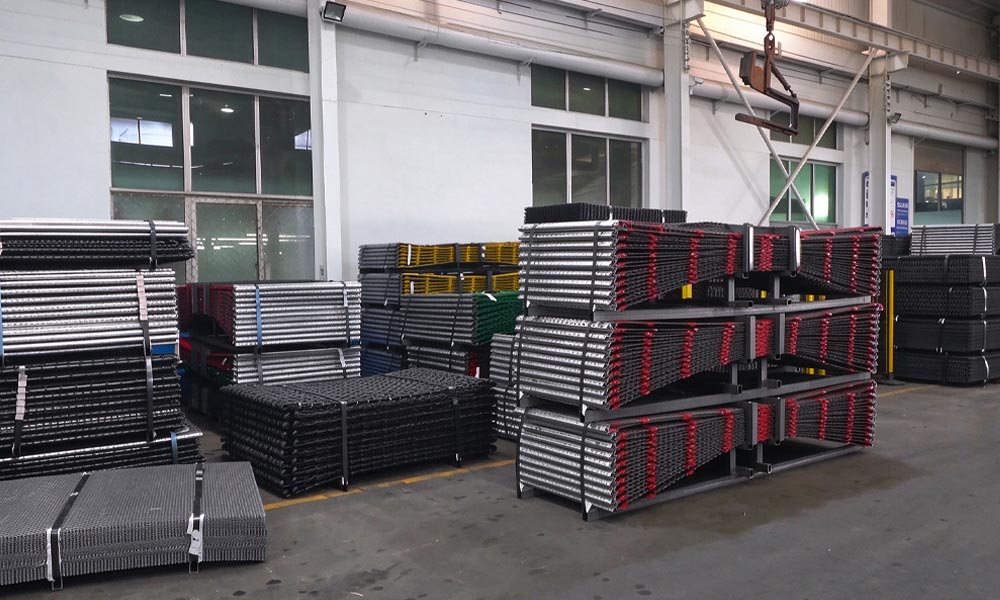
The second critical performance feature that most low-quality screens completely overlook is a full reinforced forged hook tensioning edge, a rugged design upgrade that a heavy-duty Wire Mesh Screen uses to stay perfectly tensioned and locked firmly to the vibrating deck even when running at 110% of its maximum rated throughput. Generic cheap screens use thin crimped sheet metal hooks that bend, slip or tear loose under constant high-vibration heavy load, making the whole panel sag unevenly, mess up material flow and wear out internally through hidden friction long before the top screening surface ever wears down. The reinforced forged hook design uses thick steel plates fully welded to the mesh edge, so every hook seats perfectly on the deck’s tension rail and never slips out of alignment no matter how heavy the feed load gets. Coal washing plants that upgraded to these reinforced hook screens found that they completely eliminated random panel slippage failures, and their total screen replacement downtime dropped by more than 70% compared to old generic panels.
Precision Slot Opening Tuning Cuts Dewatering Contamination Drastically
The third underrated practical design detail that drastically boosts real-world operational efficiency is precision calibrated slotted aperture tuning, a small but game-changing feature that a well-built heavy-duty Wire Mesh Screen uses to deliver far sharper separation and cleaner dewatering than standard square opening mesh. Standard square openings blind up constantly when processing damp fine coal or sticky mineral slurry, trapping tons of water and fine undersize material on the oversize side, ruining your final product moisture content and pushing your whole circuit’s energy consumption far higher than necessary. The precisely aligned slotted apertures are oriented parallel to material travel direction, letting free water and fine undersize particles drain through quickly without getting wedged and blinding the deck, so material moves smoothly across the whole panel without building up sticky wet layers. Mineral processing facilities that switched to these precision slotted screens found that their final dewatered product moisture content dropped by 3-4 percentage points, and total circuit throughput jumped by more than 20% without any other major equipment upgrades.
 Corrosion Resistant Surface Treatment Extends Service Life in Wet Slurry
Conditions
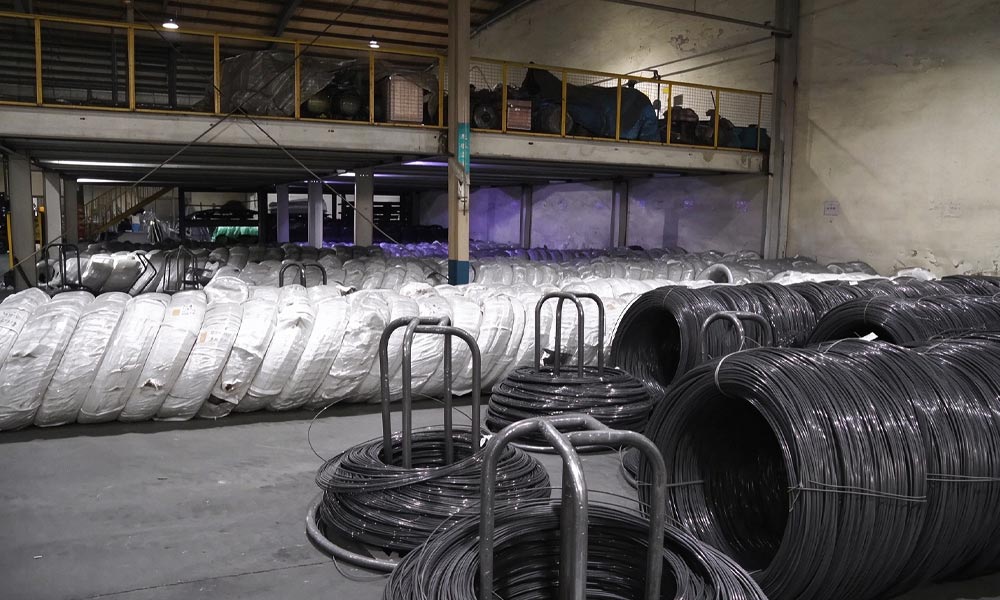
Another detail that gets overlooked: corrosion resistance. Budget screens usually skip this completely, leaving you with untreated steel that rusts and pits within weeks. That rough surface grabs fine particles and wears out faster. Heavy-duty panels get a full galvanized or polymer coating, sealing every inch against moisture, rust, and chemical attack—even soaked in acidic mine water. Coal washing plants that made the switch saw their screen life improve by about 40%, and corrosion-related failures basically disappeared.
Don’t just chase the lowest price—look at what works out in the field. If you focus on these real, proven design elements instead, you get a screen that runs reliably for years, slashes your total operating costs, and keeps your entire processing line humming along at top speed.
Leave a Message