

Buying dewatering screens is not like buying a commodity item off a shelf, because every plant has its own deck dimensions, its own feed characteristics, and its own idea of what acceptable moisture content looks like. That is why the relationship with a PU dewatering screens manufacturer matters more than most buyers expect, and why the ability to supply custom sizes is often the difference between a screen that fits the duty and one that merely fits the frame. A good manufacturer does not just mould panels to a drawing, they help translate a plant's operating conditions into a specification that will actually perform. This article looks at what custom sizing involves, why it matters in mining and sand washing, and how to get the most out of a supplier relationship.
Why Standard Sizes Rarely Fit Real Plant Conditions
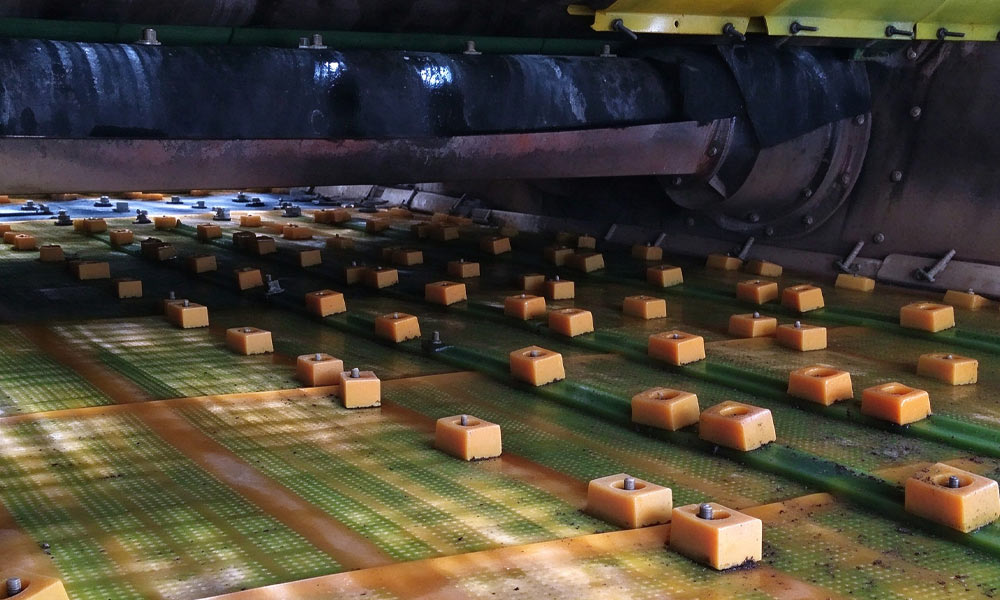
Walk through any two processing plants and you will find that the dewatering decks are rarely identical, even when the equipment came from the same original supplier. A PU Dewatering Screens Manufacturer who understands this starts from the plant rather than the catalogue, because deck dimensions, support rail spacing, fixing arrangements, and discharge geometry all vary between installations and between equipment generations. A panel that is a few millimetres out on a fixing point will not seat properly, and a panel that is the right length but the wrong aperture profile will not deliver the moisture content the plant needs. Standard sizes exist because they suit the most common configurations, but the moment a plant has been modified, upgraded, or built around a specific feed, the standard option becomes a compromise. Custom sizing removes that compromise and lets the panel be designed around the duty rather than the other way around.
Custom Sizing Across Mining And Sand Washing Duties
The two main markets for dewatering media, mining and sand washing, place quite different demands on a panel, and a manufacturer who supplies both needs to understand where they diverge. A PU Dewatering Screens Manufacturer working with a mining client is usually dealing with abrasive ore, variable feed size, and a focus on wear life and cut point stability, while a sand washing plant is more concerned with fines retention, product moisture, and consistent gradation. That difference shows up in aperture size and shape, panel thickness, and the hardness of the polyurethane compound, and it also affects the fixing system, because sand plants often run lighter decks while mining operations need heavier duty support. Custom sizing allows the same basic panel concept to be tuned to each application, so a sand plant gets the drainage and fines control it needs while a mine gets the wear resistance and structural strength its duty demands.
The Custom Manufacturing Process From Enquiry To Delivery
A properly run custom order follows a sequence that protects both the buyer and the manufacturer, and understanding that sequence helps a plant get what it actually needs. A PU Dewatering Screens Manufacturer will normally begin with a technical enquiry covering deck dimensions, fixing details, feed characteristics, target moisture, and throughput, and will often ask for photographs or a site visit where the installation is unusual. From there the specification is confirmed, including aperture size and profile, panel thickness, compound hardness, and any special features such as wear bars or reinforced edges. Tooling is then prepared or adapted, samples may be produced for trial, and full production follows once the sample is approved. The lead time for a custom panel is longer than for a standard one, which is why it pays to plan replacements well ahead rather than waiting for a failure to trigger the order.
Choosing A Manufacturer And Getting Long Term Value
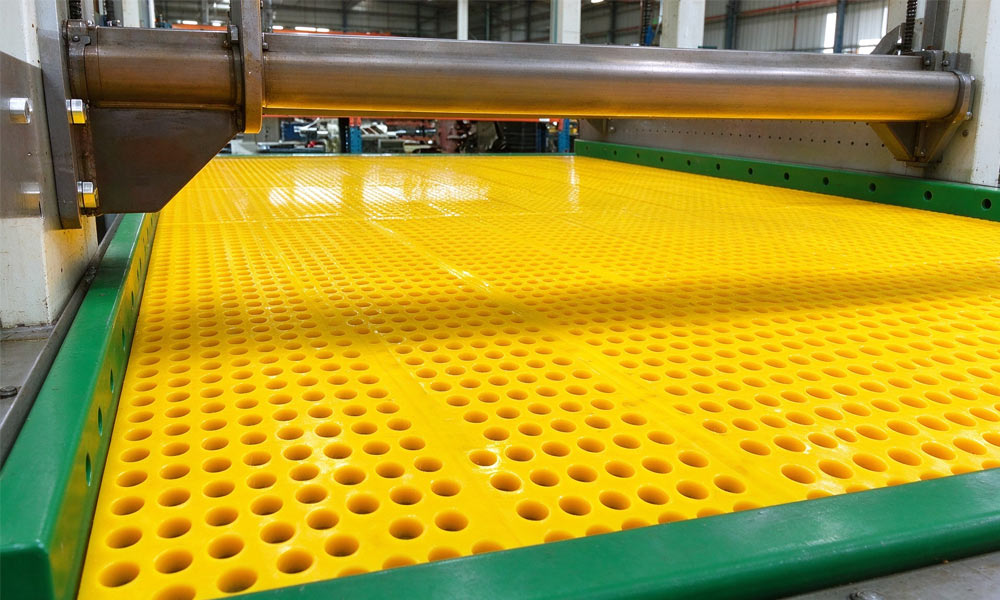
The cheapest panel is rarely the best value, and the supplier relationship is where long term savings are actually made. A PU Dewatering Screens Manufacturer worth working with will be willing to discuss the application in detail, will provide consistent compound quality batch after batch, and will stand behind the product when something does not perform as expected. It is worth asking about the polyurethane formulation, because the difference between a good and a poor compound shows up in wear life and in how the panel behaves in sticky or abrasive duty. Consistency matters as much as quality, since a panel that performs well once but varies on the next order creates problems that are hard to diagnose. Building a relationship with a manufacturer who understands the plant's duty also opens the door to incremental improvements, where small changes to aperture or profile are trialled and adopted over time rather than imposed all at once.
Custom sized PU dewatering screens are not a luxury for plants with unusual decks, they are the practical way to match media to duty in mining and sand washing alike. The right manufacturer brings more than moulding capacity, they bring an understanding of how feed, deck, and panel interact, and they use that understanding to specify a product that performs rather than one that simply fits. Plants that treat their supplier as a technical partner, share operating data openly, and plan replacements ahead of failure consistently get better results than those who buy on price alone. In a duty where moisture content and throughput are measured every shift, that difference is easy to see on the balance sheet. </p
Leave a Message