

Industrial liquid filtration is a duty where most operators quickly learn that a high nominal open area on a specification sheet does not mean much if the screen clogs within hours of going online, and the pressure differential spikes far above the system's design limit. Anti-Clogging Filter Screen designs solve this exact disconnect, because they deliver a genuinely high sustained open area that does not collapse the moment the liquid carries fine suspended solids, sticky organic matter, or small particulate debris. The real advantage is not just a larger total opening count, it is a geometry that keeps those openings active through long production runs, instead of letting them seal shut one by one. This article breaks down why conventional filter screens fail to hold open area, how the anti-clogging geometry maintains flow, how it reduces pressure differential drift, and how plants can match the design to their specific liquid filtration duty.
Why Conventional Screens Fail To Hold Sustained Open Area
Conventional screens fail to hold sustained open area because an Anti-Clogging Filter Screen design addresses a fundamental flaw in standard woven mesh that no amount of fine wire tuning can fix. Most standard industrial filter screens use uniform, square or round openings that are static and completely unyielding, so the first small solid particle that settles into an aperture can lodge itself permanently, and once that first particle is in place it acts as an anchor that catches more debris. Over the course of a few hours, the number of active open apertures drops steadily, and the real effective open area can fall to less than 30% of the nominal figure printed on the product datasheet. The plant then sees flow rates drop, pumps draw excess current, and the system trips on high differential pressure long before the screen has reached its rated contaminant holding capacity.
How High Open Area Anti-Clogging Geometry Maintains Flow
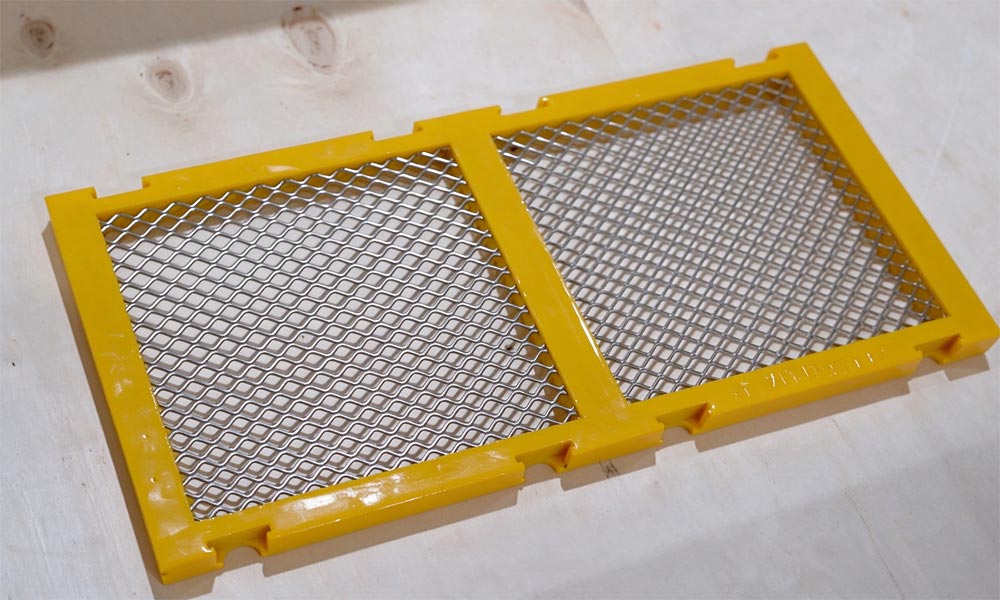
High open area anti-clogging geometry maintains flow because an Anti-Clogging Filter Screen does not use static, rigid openings that debris can lock itself into. The profiled, often slightly flexible wire arrangement creates openings that have no sharp, stable edges for particles to wedge against, and the slight movement from the liquid flow itself gently disturbs any particle that has started to settle near an aperture, pushing it back into the mainstream flow before it can lodge. This design lets the screen carry far more total open area than a conventional mesh of the same nominal filtration rating, because the anti-clogging geometry prevents that extra open area from being wasted to early blinding. The flow never gets restricted to a tiny handful of surviving apertures, so the system can move the full design volume of liquid without needing to over-size pumps or run multiple parallel filter banks just to hit the required throughput.
Stable Performance Reduces Pressure Differential Drift
Stable performance reduces pressure differential drift because an Anti-Clogging Filter Screen that keeps most of its apertures active will never develop the rapid, unexpected pressure spike that plagues conventional filter elements. On a standard screen, as apertures seal shut, the remaining open gaps have to carry the entire flow, so the velocity through each opening climbs sharply and the pressure differential across the element rises exponentially. This forces operators to change out filter elements far earlier than their actual contaminant holding capacity would require, just to avoid overloading the pump or triggering system safety trips. The anti-clogging design spreads the flow evenly across most of its open area for a much longer period, so the pressure differential rises slowly and linearly rather than spiking without warning. This gives the plant far more predictable filter service life, and eliminates the unplanned element swaps that interrupt continuous production runs.
Matching The Design To Specific Industrial Liquid Duties
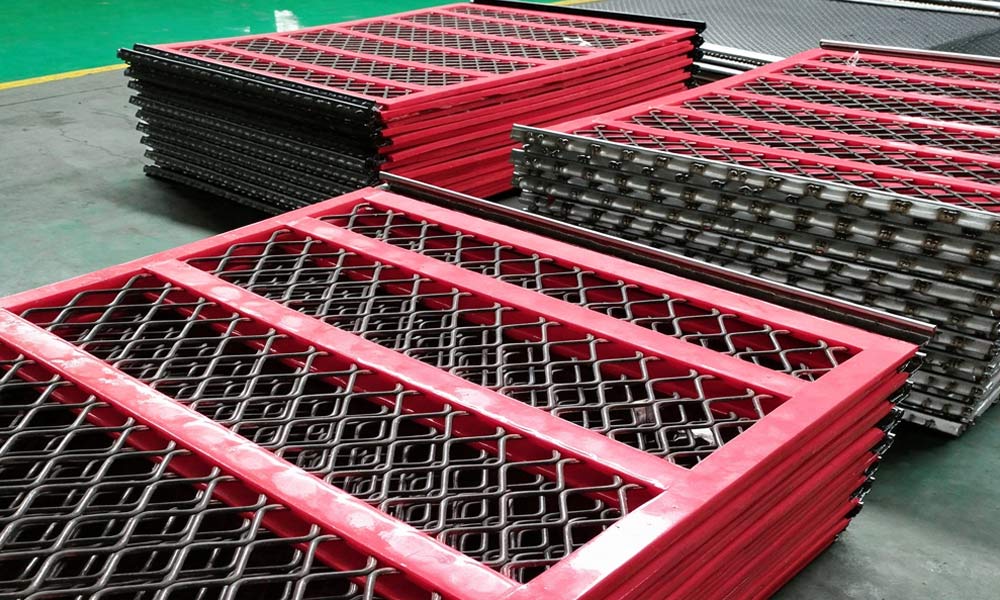
Matching the design to specific industrial liquid duties is what turns the high open area specification into real operational value, because an Anti-Clogging Filter Screen that works perfectly for one process will not automatically deliver the same results for another. For water and wastewater filtration carrying fine inorganic sediment, a coarser profiled wire with generous open area will prioritize sustained flow and long service life, while for viscous process liquids carrying fine sticky organic solids, a finer, precision-shaped anti-clogging profile will balance high open area with the required particle retention rating. The plant also has to match the alloy grade to the chemistry of the liquid, to ensure the anti-clogging geometry does not corrode or wear out before it can deliver its full life benefit. This careful matching is what prevents the high open area design from being wasted on a duty that it was not tuned for.
Industrial liquid filtration does not have to be a constant cycle of falling flow rates, spiking pressure differentials, and far-too-frequent filter element change-outs, and anti-clogging filter screen designs solve this by combining a genuinely high nominal open area with a geometry that keeps those apertures active through the full service life of the element. They prevent particles from lodging permanently, spread flow evenly across the full screen surface, hold pressure differential stable for far longer, and can be tuned to match almost any industrial liquid filtration duty. This is not a universal replacement for every filter element in every application, and very clean, low-solids process liquids can run perfectly well on a simple conventional mesh, but for any plant that regularly fights early blinding and unexpected pressure spikes, these high open area anti-clogging designs deliver a level of consistent performance that no standard screen can match.
Leave a Message