

Every operator who's run wet, sticky ore knows the drill. Your screen opens up, runs fine for maybe an hour, then the deck fills. Material bridges over the apertures, the frame jams, and someone has to shut everything down to clear it manually. Self-cleaning screens exist to kill that cycle,but they don't all work the same way.
The Real Cause of Clogging Out of Your Imagine
Most people blame particle size. It's not that simple. Ore clogging and jamming happen when fine particles mix with moisture and create a paste that bridges across screen openings. Once that bridge forms, even a slight vibration won't break it. The screen effectively stops working, but the feed keeps coming. That's where self-cleaning screens step in with a different mechanical approach.
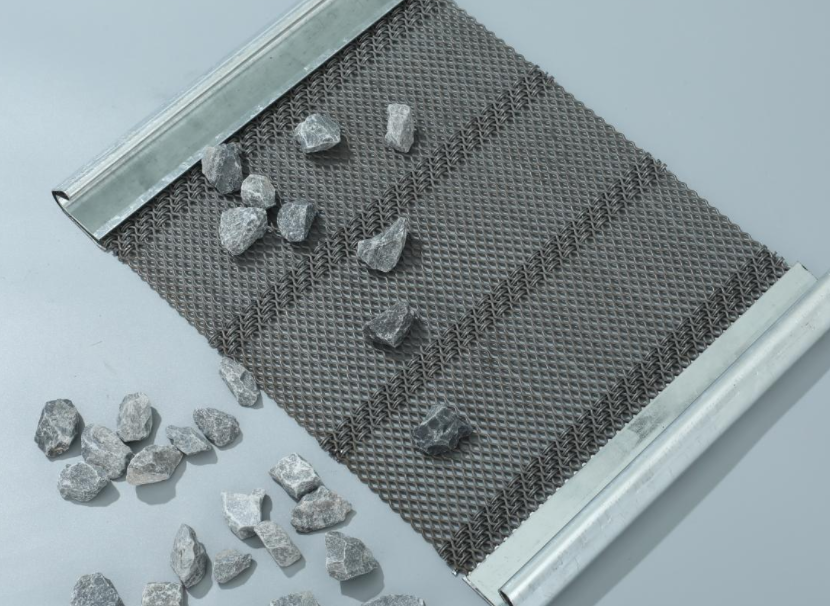
How Self-Cleaning Screens Work
Unlike standard vibrating screens that rely on gravity and vibration alone, self-cleaning screens add a secondary cleaning mechanism. Some use rotating brush rollers that sweep across the deck surface. Others use ultrasonic panels bonded to the screen media — high-frequency vibrations shake loose particles at the aperture level before they can bridge. A few designs use air jets that blast the deck from below. The result? The screen clears itself continuously, so ore clogging and jamming never get a foothold.
Why are Screens More Prone to Clogging in Wet Operations
Dry screening rarely jams. The problem spikes when you're processing clay-heavy or moist,ore iron ore tailings, bauxite, or alluvial gold for example.In those conditions, a standard screen can lose 40–60% of its effective area within minutes. Self-cleaning screens maintain open area consistently because the cleaning action happens faster than the paste can form.
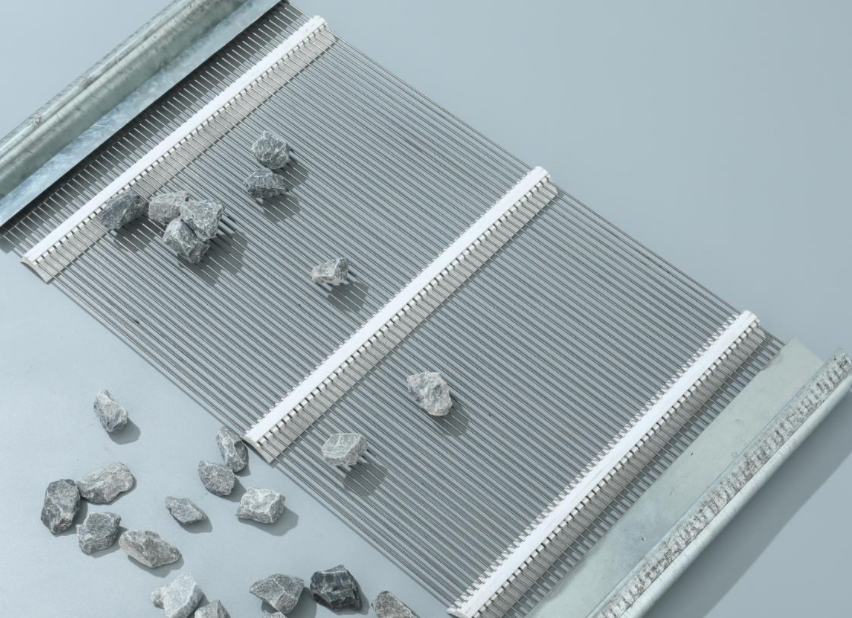
Not Every Self-Cleaning Design Is Worth It
Here's the honest part. Brush-type systems wear fast in abrasive ore. Ultrasonic panels add cost and need power. Air jets struggle with heavy material. Match the cleaning method to your ore type —don't just buy the fanciest self-cleaning screen on the spec sheet.
Ore clogging and jamming aren't inevitable. They're a design problem. Self-cleaning screens solve it ,but only if you pick the right cleaning mechanism for your material.
Leave a Message