

Wet material grading has a dirty secret ,most screens fail not because of poor design, but because water and fines conspire against you. W ripple self-cleaning screens tackle this head-on. Their ripple-shaped deck isn't decorative. It's a mechanical solution to a problem that costs mines millions in lost uptime every year.
Why Ripple Self-Cleaning Screens can work well in Wet Conditions
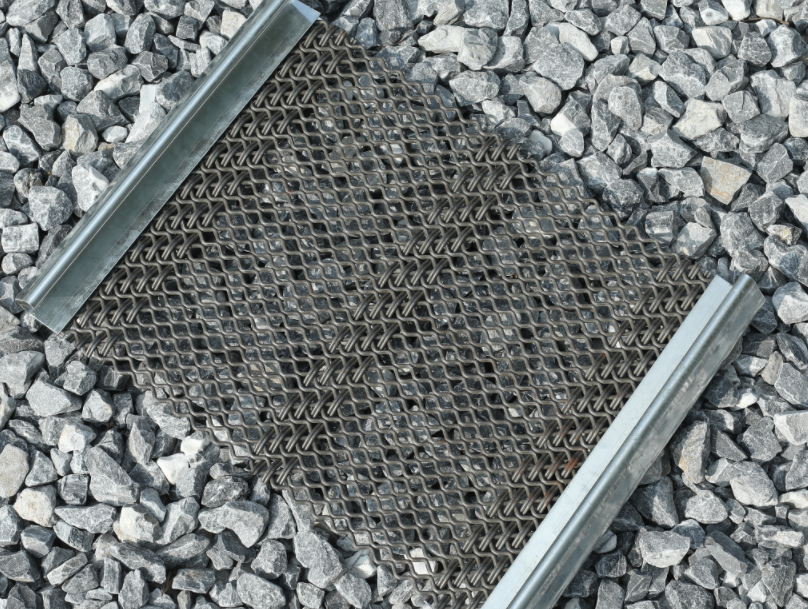
Flat decks pool water. Fines settle. Apertures block. It's physics, not bad luck. W ripple self-cleaning screens use a ripple profile across the deck surface that creates continuous micro-movement even at low vibration amplitudes. Water flows downhill through the ripple troughs while solids hop across the peaks. The screen essentially sorts itself in real time.
The Self-Cleaning Mechanism Is Built Into the Shape
No brushes to replace. No air lines to maintain. The ripple geometry flexes independently at each wave crest during vibration. That flexing generates a snapping action right at the aperture level — exactly where wet particles try to bridge and lock. For wet material screening, this means the deck stays open for hours.
Achievement of Self-cleaning screens used for screening wet materials
Here's what numbers matter in practice. W ripple self-cleaning screens process 25–40% more wet tonnage per square meter than conventional flat-deck screens. The ripple surface spreads impact force across the wave instead of concentrating it at flat contact points. Screen media lasts longer. Replacement intervals stretch. And because clogging events drop dramatically, your effective screening time per shift goes up —sometimes by two full hours.
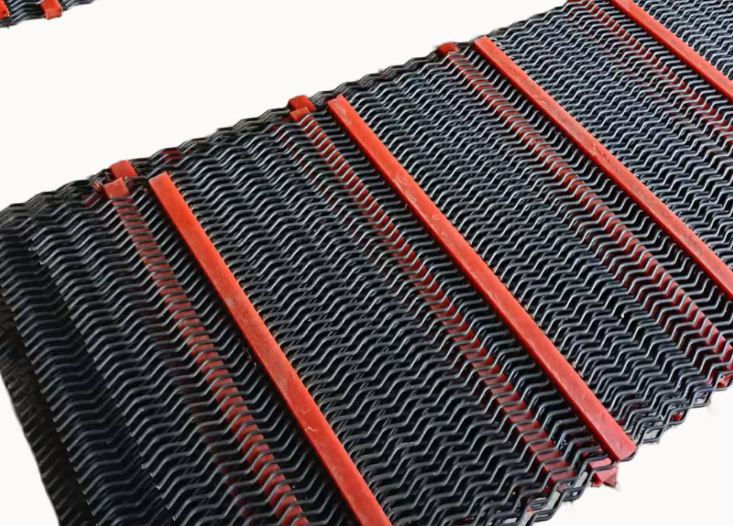
W ripple self-cleaning screens don't just reduce clogging. They eliminate the clogging mechanism entirely through deck geometry. For wet material grading and screening, they're not a nice-to-have upgrade but the smarter baseline.
Leave a Message