

Screening in acidic slurry or chloride-heavy ore used to mean replacing mesh every few weeks. Operators accepted it as the cost of doing business. The emergence of stainless steel self-cleaning screens has solved this problem. If your mine is fighting corrosion and blinding at the same time, here's why this combination actually works.
Why corrosive mineral materials can cause damage to screens
It's not just the acid. It's the combination of low pH, high chloride, fine abrasive particles, and constant moisture. Carbon steel pits in days. Even basic alloys develop surface cracks that trap material and speed up localized corrosion. The screen clogs, you stop to clean it, and every cleaning cycle exposes fresh metal to the slurry. It's a loop that drains budget and productivity.
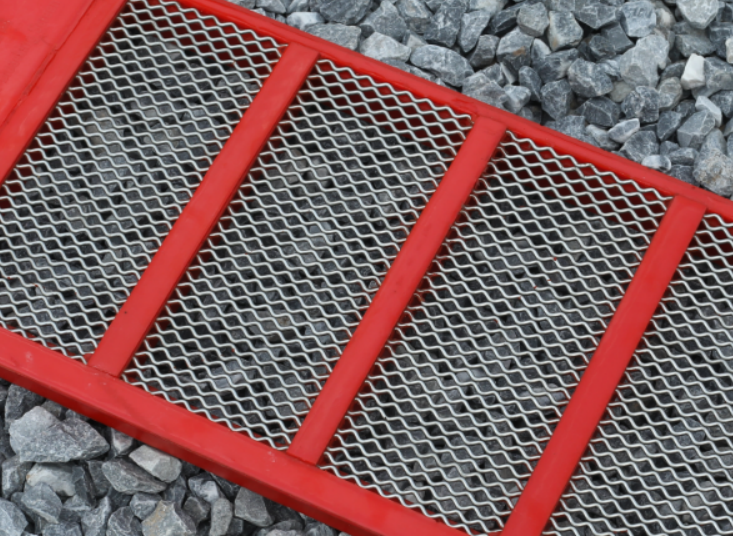
Why stainless steel self-cleaning screens better suited for screening corrosive minerals
A stainless steel self-cleaning screen handles both problems at once. The chromium-nickel matrix resists uniform corrosion, while the self-cleaning action —typically polyurethane wedge wires or rubber-capped panels — bounces material off before it embeds. No buildup means no trapped acid against the surface. In practice, mines running stainless steel self-cleaning screens in gold leach circuits and copper concentrate lines see 3–5x longer panel life versus standard woven mesh.
Choosing of 316 or 304 Depends On the The Materials to be screened
Here's where specs matter. 304 stainless steel works in mild acid and general wet conditions, such as sand washing or light tailings. But if your slurry has chloride above 500 ppm or sulfuric acid exposure, go 316. The molybdenum in 316 shuts down pitting corrosion that 304 can't touch. A wrong grade choice costs you the whole panel in weeks. A right choice keeps the stainless steel self-cleaning screen running a full season.
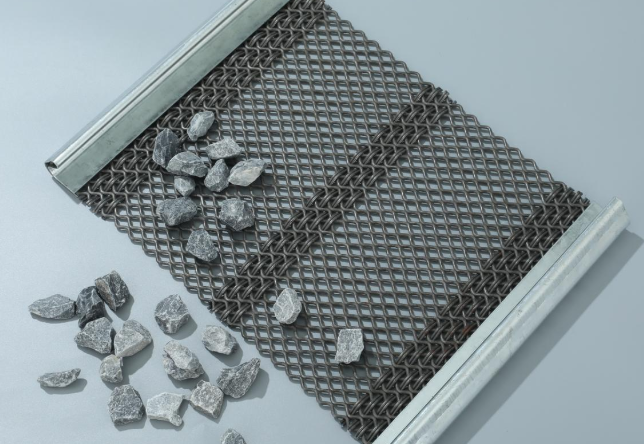
The Hidden Savings Nobody Talks About
Beyond panel life, there's water savings. Corrosive environments need constant wash-down to manage buildup. A self-cleaning screen cuts wash-down frequency by up to 60%. Less water, less chemical use, less labor. For a stainless steel self-cleaning screen in a remote mine, that alone justifies the higher upfront cost within the first quarter.
If corrosion and blinding are eating your screening uptime, don't add more maintenance. Upgrade the mesh. A properly specified stainless steel self-cleaning screen is the single change that attacks both problems at the root.
Leave a Message