

Wet coal sticks. It clings to every surface it touches ,and your screen deck is no exception. For coal washeries, screen blockage isn't just an annoyance. It's a direct hit to coal quality, throughput, and the bottom line. That's why anti-blocking self-cleaning screens have become the default choice in modern wash plants. Here's what's actually driving the shift.
The Blockage Problem Is Killing Your Coal Quality
When wet coal hits a conventional screen, fine particles and clay slip into the openings and weld themselves shut. Within hours, your effective open area drops from 40% to under 20%. The result? Oversized material that should have been separated ends up in your clean coal stream. Moisture climbs. Ash content spikes. Your product grade tanks ,and so does your price. Traditional metal screens need manual cleaning every two hours in high-moisture conditions. That's lost production you can't afford.
How Anti-Blocking Self-Cleaning Screens Actually Work
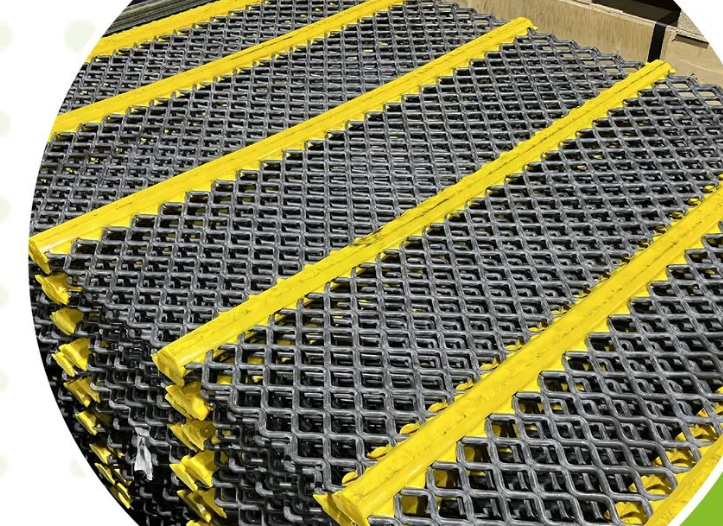
These screens aren't just tougher,they're smarter. Polyurethane anti-blocking self-cleaning screens use conical or diamond-shaped apertures that guide material through instead of letting it settle. The elastic surface creates a secondary vibration effect that shakes loose anything trying to stick. In wash plants handling coal with 8–12% moisture, blockage rates drop to under 3% compared to 15–20% on standard metal screens. One plant reported running 8 continuous hours at 13% moisture without a single manual clean, holding screen efficiency above 91%.
The Benefits of Replacing the Self-Cleaning Screens are tangible
Better screening means cleaner separation. Fine coal reports to the right product stream. Oversize and contamination get caught early. Screening efficiency jumps from the 75–85% range of metal screens to 92–95% with self-cleaning screens. For a washery, that gap translates directly into higher calorific value, lower sulfur, and a product that commands premium pricing.
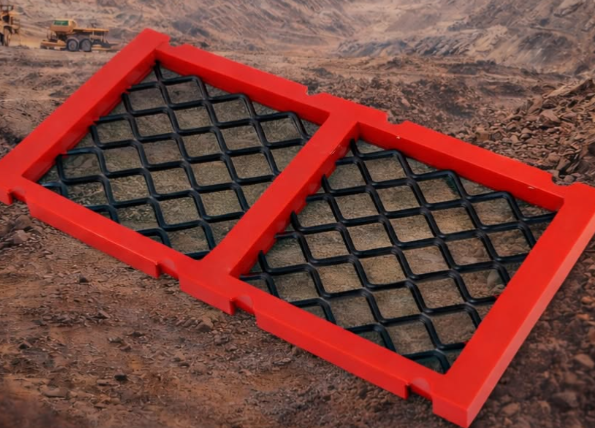
Coal washeries don't adopt self-cleaning screens because they're trendy. They adopt them because blockage destroys coal quality and these screens eliminate the problem at the source. If your wash plant is still fighting wet screen buildup every shift, Installing a self-cleaning screen with anti-clogging holes is the wisest choice.
Leave a Message