

Most operators wait until the self-cleaning screen completely fails before thinking about replacement. By then, you've already lost throughput, damaged downstream equipment, and burned through extra labor. The smart move? Catching the signs early and replacing on your schedule, Here's exactly what to watch for.
Check the Wear Degree of The Screen Before Screening
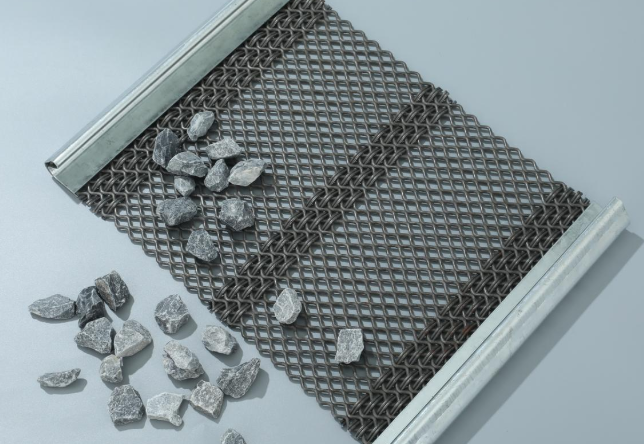
Walk up to your self-cleaning screen during a shift change. Look for three things: wedge wires bent beyond 15 degrees, polyurethane caps torn or missing, and apertures that have visibly stretched. If you see more than two of these on a single panel, that screen is past its useful life. Don't wait for a hole to open up,by then, undersize material is already contaminating your product.
Performance Drops Before the Screen Looks Bad
Here's what catches people off guard. A self-cleaning screen can look mostly fine while already underperforming. If your throughput drops 10–15% without any feed change, or if you're getting more carryover of fines, the mesh is worn even if it doesn't look it. Check your split samples weekly. That data tells you the truth faster than any visual inspection.
The Best Time to Replace a Damaged Self-Cleaning Screen
Never replace a self-cleaning screen mid-production unless it's an emergency. The sweet spot is during your next planned shutdown,such as crusher maintenance and mill reline, whatever you've already got on the calendar. The way of Scheduling screen replacement saves two downtime events with one stop. Operators who plan ahead spend 40% less on emergency swaps and zero time scrambling for parts.
The Impact of Not Replacing a Self-Cleaning Screen When It is Damaged Enough to Be Replaced
A worn self-cleaning screen doesn't just underperform ,it damages what's downstream. Oversize material hits your crusher harder. Fines bypass and clog your thickener. One week of running a screen past its limit can cost more in repair bills than the screen itself. Replacing early isn't waste. It's protection.
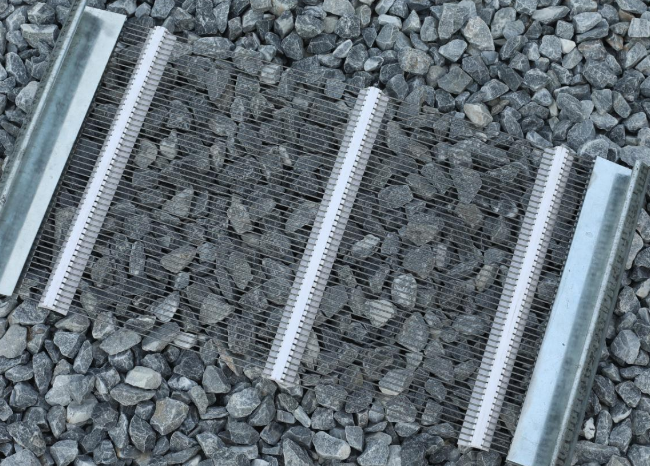
Remember to Track every panel's install date and run hours. Most self-cleaning screen panels hit end-of-life between 1,500 and 3,000 hours depending on ore hardness. Set a replacement alert at 80% of that number. When it fires, order the new screen, schedule the swap, and replace before the old one fails.
Leave a Message