

Most people in the mining and quarrying industry don't pay much attention to screen mesh specifications until the equipment starts wearing through in just a few weeks. Standard carbon steel screens, like Q235, might look fine on paper because they have the same wire diameter and hole sizes as better options. However, as soon as you start running abrasive ore through them at a high rate, the difference becomes obvious. 65Mn spring steel screens last much longer, and it isn't easily broken because they are thicker. It comes down to the chemistry of the metal.
65mn Spring Steel Screen Mesh Has Stronger Tensile Strength
65Mn is a manganese spring steel with about 0.62 to 0.70 percent carbon and 0.90 to 1.20 percent manganese. That manganese is the most important part. It strengthens the steel significantly, giving it a tensile strength of 1,200 MPa or more, which is roughly double what you get with ordinary carbon steel. Even more importantly, manganese allows for work hardening. Every time a rock hits the screen wire, the surface layer actually gets harder. Regular carbon steel doesn't do that; it just deforms and loses its shape.
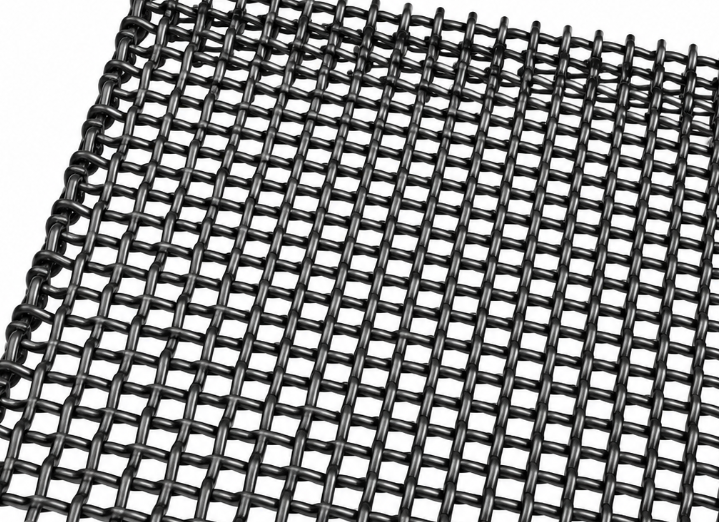
The Wear Resistance Of a Screen Not Just Depends On The Hardness Of The Material
Wear resistance isn't just about how hard a material is from the start. It is about how the material behaves when it is constantly rubbed and scraped. 65Mn spring steel develops a hardened surface layer while it is operating. This means the more it works, the tougher the surface becomes. Ordinary carbon steel just gets thinner and softer under the same conditions. If you are screening something like quartz or iron ore, you will see this difference within the first two weeks.
Impact Resistance Advantage Of 65mn Spring Steel Screen Mesh
Impact resistance is another area where basic carbon steel often fails. If a heavy rock hits a standard screen, the wire will likely crack or stay bent. 65Mn spring steel is designed to flex and bounce back. The manganese content gives the steel the toughness it needs to absorb energy without breaking. For operations using vibrating screens with heavy loads, this is a major factor. A cracked screen requires an immediate shutdown for repairs, while a 65Mn screen keeps running.
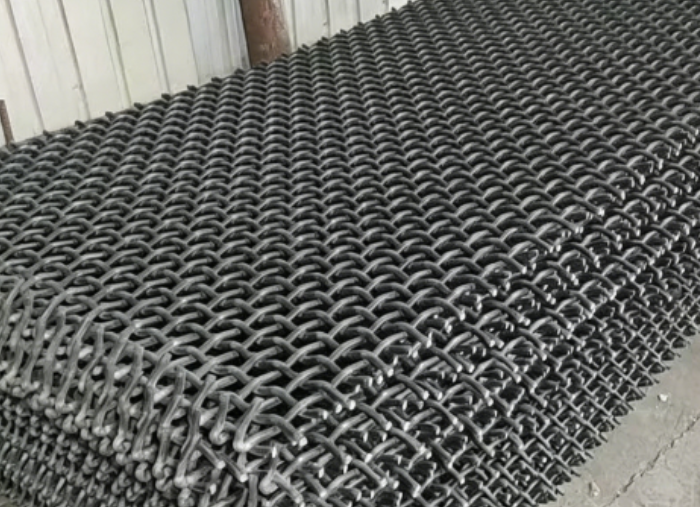
If you are still using basic carbon steel for high-impact or abrasive jobs, you are likely spending more on replacements than you need to. 65Mn spring steel screens cost more upfront, but they generally last two to three times longer in real working conditions. The difference in performance isn't just a marketing claim; it is a result of how the metal is made.
Leave a Message