

When you are picking metal wire mesh, one thing people often forget to check is the balance between the wire thickness and the amount of open space. If you get this balance wrong, you will likely run into problems, but getting it right makes the mesh work much more efficiently.
Wire Diameter is the Fundamental Basis for Selecting Metal Woven Mesh
Most buyers focus on the mesh count or the size of the holes, but the wire diameter is actually the most important part. If the wire is thick, the mesh is strong and lasts longer, but you lose open space. If the wire is too thin, the mesh might break under pressure or get bent when you are trying to install it. The best wire thickness depends entirely on what you are using the screen for.
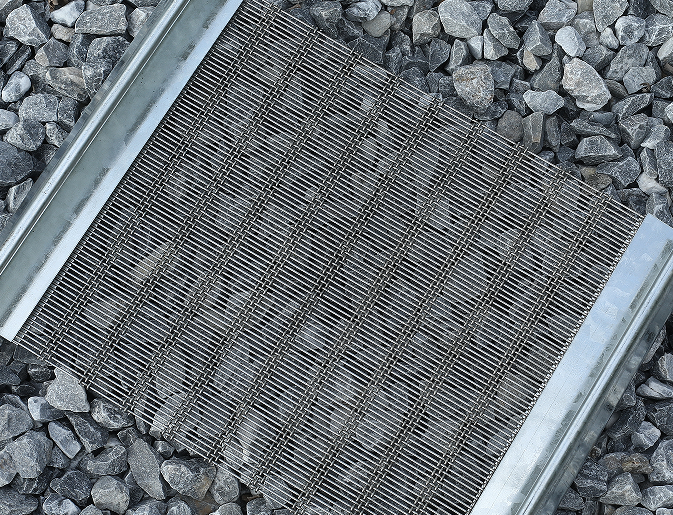
Open Area Ratio is a Key Indicator Determining the Performance of Screen Mesh
The open area ratio is just the percentage of the mesh that is empty space. If you are using it for filtering, you usually want a high open area so liquids or air can pass through easily. For something like a security screen or a building facade, a smaller open area might be fine. This number is not separate from the wire size; if you change the thickness of the wire, the open area automatically changes too.
The Golden Ratio of Open Area and Aperture Size When Selecting Metal Woven Mesh
For general use, experienced buyers usually look for a wire diameter that keeps the open area between 40% and 60%. This range is usually enough to keep the mesh strong without blocking too much flow or visibility. For jobs that need high precision, you would typically go with thinner wires and more open space. For heavy-duty work, you would want thicker wires and less open space.
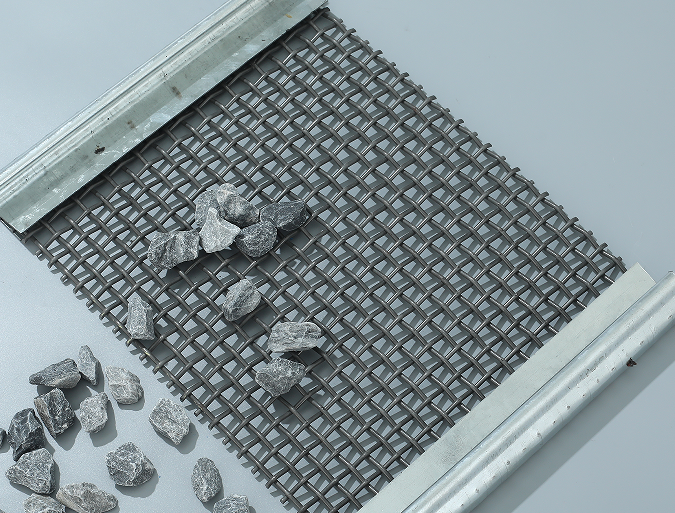
Before you place an order, it is a good idea to calculate the wire diameter and the open area you need, then compare at least two different options. Once you get these basic parameters right, the mesh will perform much better with less effort.
Leave a Message