

Many people don't think much about the crimping direction when they buy screens, but it actually makes a big difference. In mining, crimped woven mesh is usually made in one of two ways: unidirectional or bidirectional. Even though they look similar, they handle weight and pressure differently, so you need to pick the one that fits your specific job.
Unidirectional Crimping: Simple and Steady
Unidirectional crimping means the wires are bent in one direction along the machine's path. This creates a flat and stable surface where the weave stays tight. This type of mesh is great for the first stage of screening when you are dealing with dry materials that flow easily. It can handle a lot of material at once without sagging, and the flat surface helps rocks and dirt slide across without getting stuck.
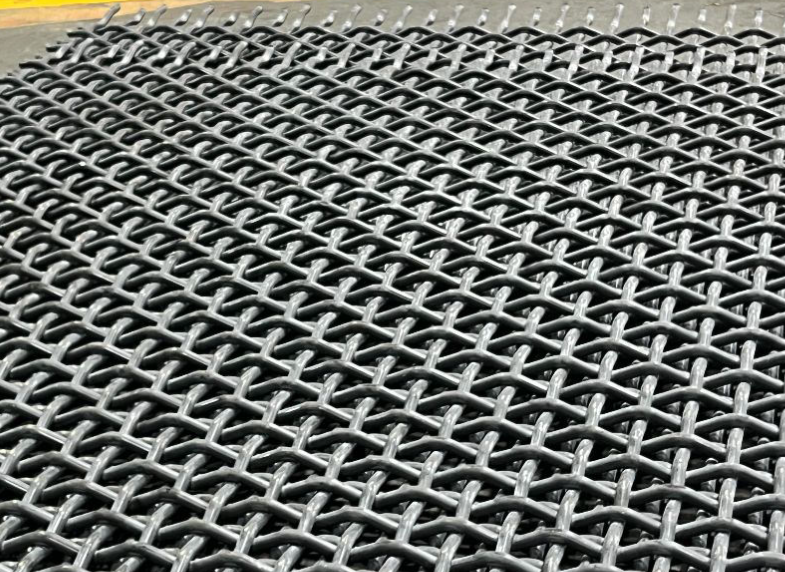
Bidirectional Crimping: Built for Heavy Impact
Bidirectional crimping involves bending the wires in both directions, which locks them together into a much stronger structure. This makes the mesh much better at resisting impacts and keeping its shape. While it isn't as flexible, it is the better choice for tough jobs like processing iron ore, gold mining, or working with wet and sticky materials. In these situations, a unidirectional screen might warp or lose its shape, but a bidirectional one holds up. One thing to keep in mind is that bidirectional mesh usually has a slightly smaller open area, but it lasts longer in harsh conditions.
Making the Right Choice
If you are mostly moving large amounts of dry, coarse material, unidirectional crimping is usually the way to go. It gives you the most open space and keeps the material moving fast. If you are dealing with wet powders or materials that hit the screen with a lot of force, bidirectional mesh is more reliable because the interlocking wires prevent the screen from deforming.
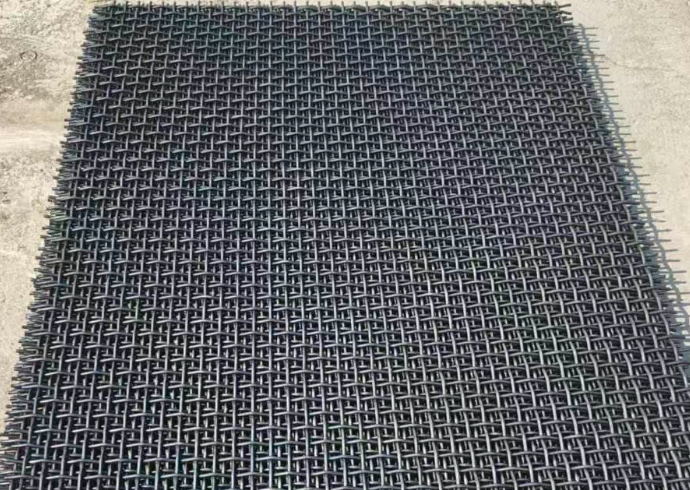
Choosing the wrong mesh can get expensive. Using a unidirectional screen for wet materials often leads to clogs and requires frequent replacements, which slows down production. On the other hand, using a bidirectional screen where a simpler one would work is an unnecessary expense. Getting the weaving method right the first time is the best way to make sure your screens last as long as possible.
Leave a Message