

Frequent breakage of tensioning hooks on vibrating metal screens during material screening is a common problem. Many people believe that simply replacing them is sufficient. However, it's not as simple as just replacing a part; the underlying issue is the stress design. Without understanding the root cause, replacing numerous tensioning hooks will be ineffective.
Stress Analysis of Tensioning Hooks in Vibrating Metal Screen Fracture Cases
The tension hooks installed on vibrating metal screens mainly bear three types of loads: first, the tensile force during installation; excessive pre-tension can put the hooks under high stress even before operation; second, the alternating bending force generated by vibration—the screen vibrates hundreds or thousands of times per second, causing repeated bending at the hook bends, which can easily lead to breakage; third, the impact force during feeding—the instantaneous load from the material falling on the screen far exceeds normal values. The most vulnerable locations for breakage are concentrated at the bend root and the edges of the small holes connecting the hooks to the screen. Both of these areas exhibit significant stress concentration.
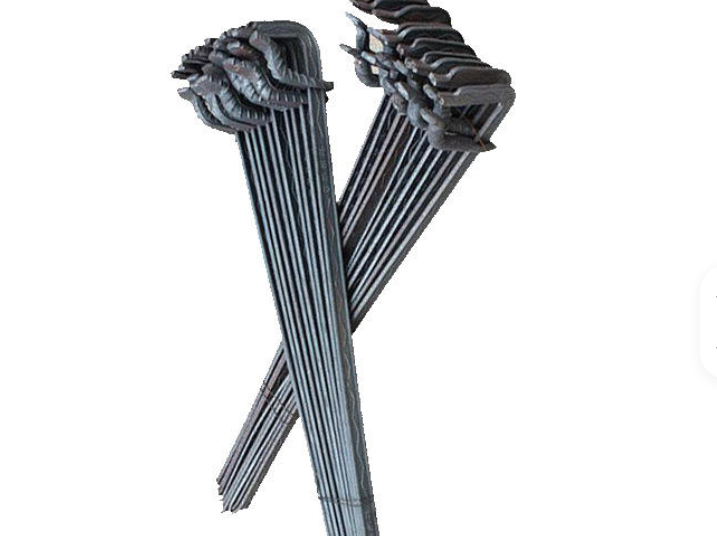
The Root Reasons of Deformation and Breakage on Tension Hook
The tensioning hook is prone to deformation because the material's yield strength is insufficient. When the preload of Q235 exceeds its yield strength, it undergoes plastic deformation, gradually straightening and loosening the screen. Fracture, however, is a typical sign of fatigue failure. With prolonged operation, the vibrating screen experiences continuous accumulation of alternating loads. Once the material's fatigue limit is exceeded, cracks will form and rapidly propagate, eventually leading to sudden fracture. Furthermore, material corrosion can create pits on the surface, becoming natural stress concentration points and halving the lifespan of the vibrating metal screen.
Four Directions to Reduce Fracture and Deformation of Vibrating Metal Screen Tensioning Hooks
First, optimize the hook shape. Change the right angle at the bend root to a rounded transition. A larger radius reduces stress concentration. The root can be thickened to increase the cross-sectional area and distribute the stress. Second, adjust the installation angle. A uniform installation angle ensures the hook only bears tensile force, reducing unnecessary bending forces. Third, upgrade the materials used. When manufacturing the screen, consider using 60Si2Mn or 65Mn spring steel, as these materials have higher yield strength and fatigue limits. For highly corrosive materials, stainless steel spring steel can be considered. Finally, control the preload. Use a torque wrench to precisely tighten the tension hooks, ensuring consistent force on each hook.
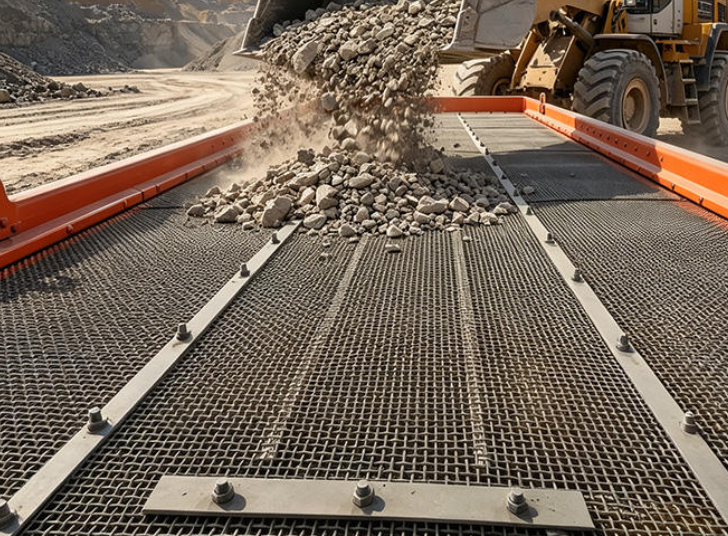
Although the tension hook is a small component, it is crucial. By analyzing the stress and making improvements in design and materials, this seemingly minor issue can be resolved, ensuring your vibrating metal screen lasts longer and more stably.
Leave a Message