

If you've spent time around a coal preparation plant, you know screen mesh takes a beating. Water, abrasives, heavy loads, and constant vibration destroy screens that aren't built for the job. Two qualities matter most: wear resistance of screen and anti-clogging performance. Get these right, and your plant runs smoothly. Get them wrong, and you're constantly stopping to replace screens or clear blockages.
Washing Process: Abrasion is Relentless
Coal washing is brutal on screen mesh. Raw coal contains sharp-edged rock, pyrite, and hard minerals that scrape across the screen surface at high speed. Standard woven wire screens wear thin at crossover points, wires snap, and oversized material contaminates washed coal.That's why many plants switch to polyurethane or rubber screen panels. These materials flex under impact instead of fracturing, distributing wear evenly. The best screens use specially formulated polyurethane that combines toughness with flexibility. A good screen in the washing section lasts three to four times longer than standard wire mesh.
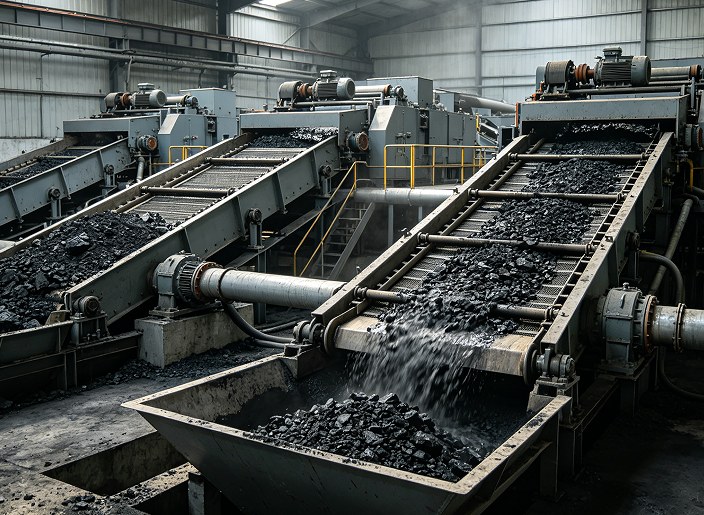
Dewatering Process: Clogging is the Enemy
Dewatering screens face a different challenge. Fine coal particles mixed with water love to stick to screen surfaces. When openings blind over, water can't drain through, leaving product too wet—which means customer penalties and higher shipping costs.Anti-clogging properties are critical here. The best dewatering screens use tapered openings—wider on the discharge side than the feed side. This wedge-wire design lets particles pass through while resisting wedging. Slotted openings also help, giving near-size particles a better chance of passing without getting lodged. Combined with proper vibration settings, this dramatically reduces clogging.
Medium-Removal Process: Precision Matters Most
Medium removal is the most demanding application. You're recovering magnetite from coal slurry, and precision is everything. Openings must be small enough to capture medium particles but large enough to avoid blinding.Wear resistance is non-negotiable. A worn screen lets valuable magnetite escape into tailings, driving up costs. Anti-clogging performance determines whether medium recovery stays consistent. Many plants use combination screens—a coarse upper layer for the bulk load and a fine lower layer for final separation. This layered approach extends screen life while maintaining precision.
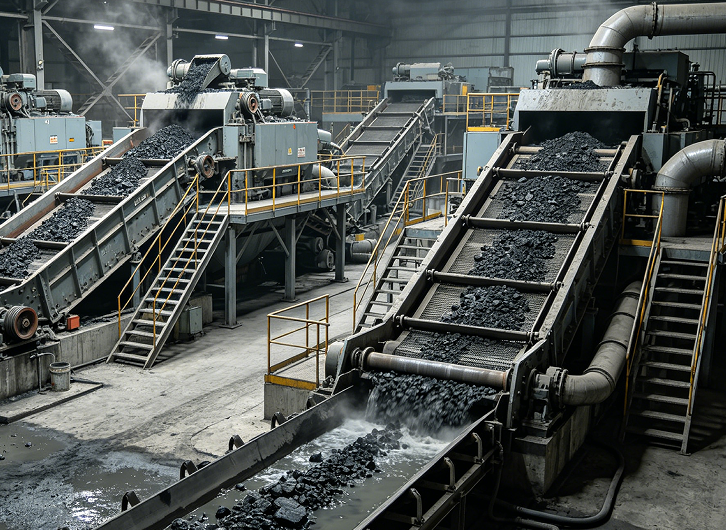
Choosing the Right Screen for coal preparation and dehydration processes
Start with material. Polyurethane and rubber outperform steel in both wear resistance and anti-clogging performance, especially in wet applications. Next, focus on opening geometry. Tapered slots and wedge-wire designs resist clogging far better than straight-sided square openings. Finally, don't overlook installation—even the best screen performs poorly if installed loosely.
Coal preparation plants need screen mesh that handles extreme wear without clogging. The right material, opening design, and installation keep your plant running efficiently. Invest in quality screens upfront, and you'll save countless hours of downtime and replacement costs down the road.
Leave a Message