

During screening operations, welded sieve bend screens often suffer rapid wear on only the upper third where the slurry impacts, while the remaining two-thirds of the surface stay intact; consequently, the entire panel is often discarded, wasting the majority of its remaining service life. This scenario of "premature localized retirement" drives up annual screen procurement costs by nearly 30%, yet mastering proper rotation techniques can significantly reduce this expense.
Pinpointing High-Wear Zones to Determine the Optimal Rotation Timing
For welded sieve bend screens in mineral processing plants, 90% of wear is concentrated in the feed impact zone—the upper section where slurry strikes the screen surface directly. Here, slurry velocity is highest and solid particle impact is strongest, causing wear rates several times higher than in the lower section. Rather than waiting for the screen to fail, measure the residual thickness in the high-wear zone weekly using calipers. The ideal time to rotate the screen is when wear reaches 40% of the original thickness; at this stage, the remaining two-thirds of the screen surface shows negligible wear and is fully capable of handling subsequent screening tasks.
Standardizing Rotation Procedures to Avoid Installation Errors
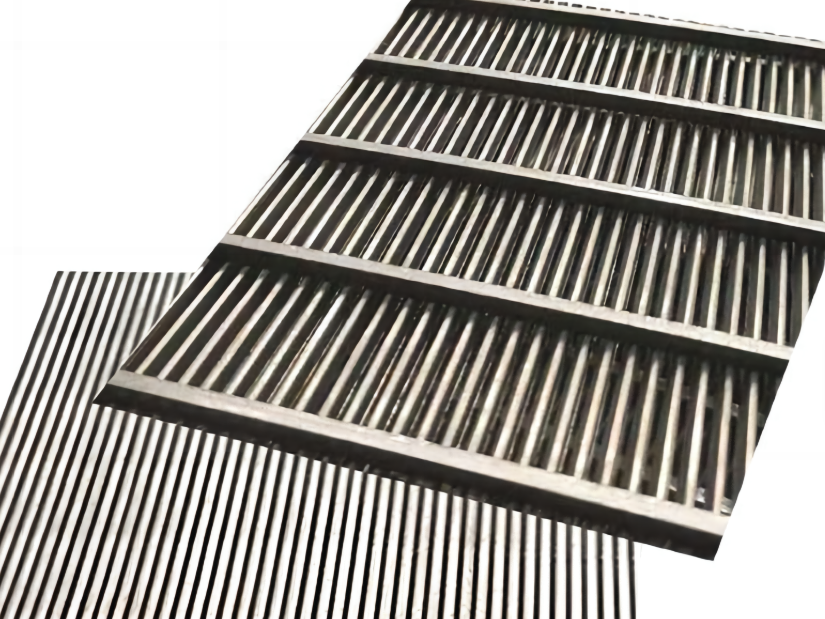
Operators often make common mistakes when rotating welded sieve bend screens—such as simply flipping the original feed face over. This reverses the orientation of the screen slots, turning the intended inverted-trapezoid profile (narrow at the top, wide at the bottom) into a wide-top shape, which leads to severe issues like material blinding and the passage of oversized particles. The correct procedure is to rotate the entire screen panel 180 degrees horizontally around its central axis, positioning the previously low-wear lower section at the feed inlet while ensuring the narrow side of the screen slots always faces the direction of the incoming slurry. By following these standardized steps, the effective service life of a single screen panel can be directly doubled.
Tips to Extend Service Life by 30%
In addition to flipping the screen, two simple, low-cost modifications can further extend the service life of welded curved screens: First, install a replaceable, wear-resistant deflector plate at the feed inlet; this allows high-speed slurry to strike the plate and decelerate before flowing gently onto the screen surface, thereby reducing impact wear in the feed zone. Second, back-flush the rear of the screen with low-pressure water every two weeks to dislodge fine particles trapped deep within the screen slots, preventing them from causing continuous abrasive wear on the screen's sides. Implementing these routine maintenance measures can boost the screen's overall service life by another 30%.
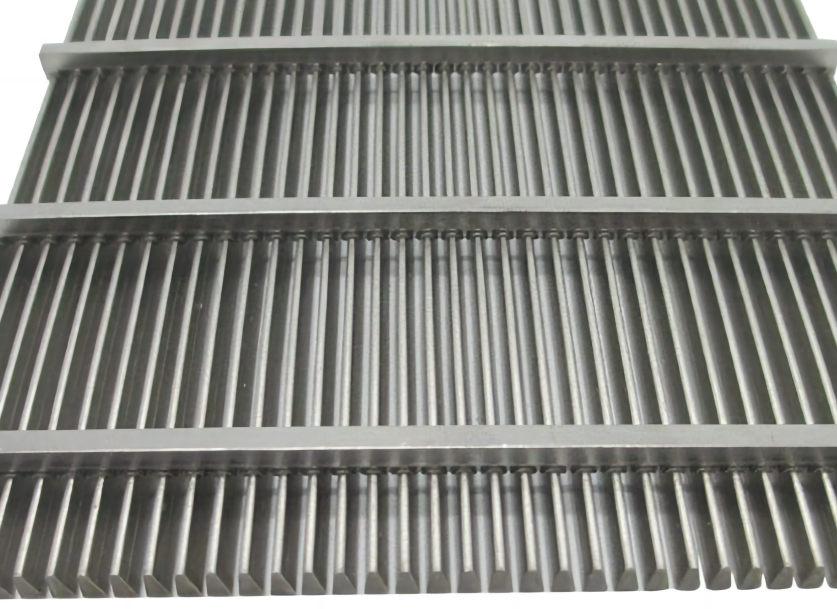
For mineral processing plants, extending the lifespan of welded Sieve screens is actually quite simple; it does not require purchasing expensive additional parts. By merely optimizing small details in daily operation and maintenance, you can more than double the screen's service life. If your plant is facing high costs associated with these screens, it is well worth trying these tips to extend their durability.
Leave a Message