

Anyone involved in screening ores or similar materials knows just how frustrating screen clogging can be. When screening large ore, if rocks get stuck on the screen surface—a condition commonly known as "blinding" or "jamming"—the entire screening process grinds to a halt. This not only creates safety hazards but also severely hampers production efficiency. The ingenious design of the tapered bar screen changes this dynamic, offering a simple, effective solution that ensures smooth material flow.
Engineering Principles of the Tapered Bar Design
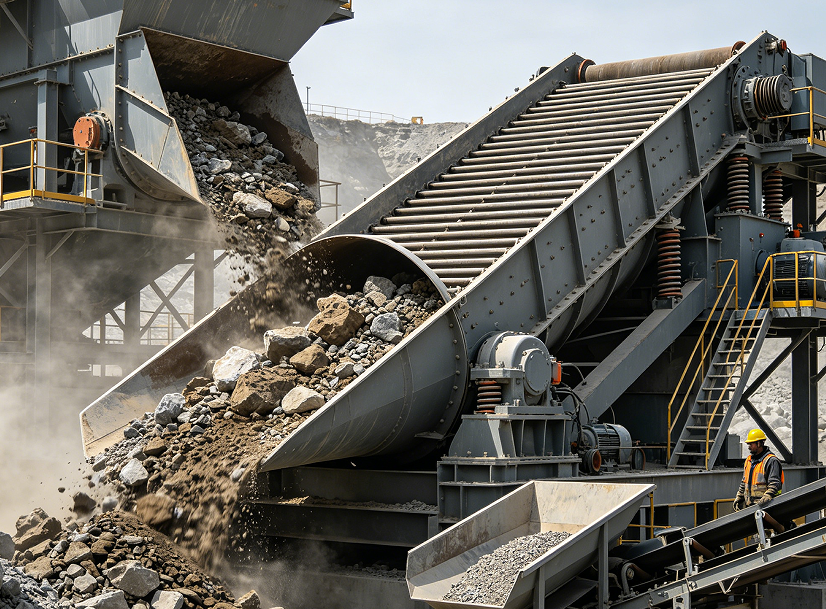
Traditional flat-bar screens feature parallel apertures. While this design may seem logical, it is actually prone to clogging from elongated or flat rocks. Tapered bar screens solve this issue. The bars are designed so that the aperture is wider at the top and gradually narrows toward the bottom. Even if an elongated or flat rock enters the gap, the space narrows as the rock moves along the vibrating screen surface, making it impossible for the rock to get wedged. This exemplifies the tapered bar screen's "easy entry, difficult retention" capability.
Preventing "Bridging" at the Source
In heavy-duty ore screening operations, "bridging",where material interlocks to form an arching blockage—is a major adversary. When a large rock spans two screen bars, it creates a barrier that stops the flow of material behind it. The cross-sectional shape of the tapered bar screen utilizes gravity and vibration to allow material to discharge naturally downward, effectively inhibiting the formation of such bridges. This unique shape acts like a funnel, guiding large material through the equipment without allowing it to accumulate or stall. This ensures a steady material flow rate, which is crucial for the smooth operation of downstream crushers.
Simple Design, Significant Results
Another advantage of the tapered bar screen is its simplicity. It requires no complex motors or auxiliary devices, relying purely on physical principles to function. Because the tapered design prevents rocks from becoming wedged in the screen surface, the need for manual clearing and emergency shutdowns is drastically reduced. For material screening operations, reducing clogging increases hourly throughput and operational efficiency while creating a safer working environment for personnel. It is a cost-effective solution that offers significant benefits with minimal maintenance requirements.
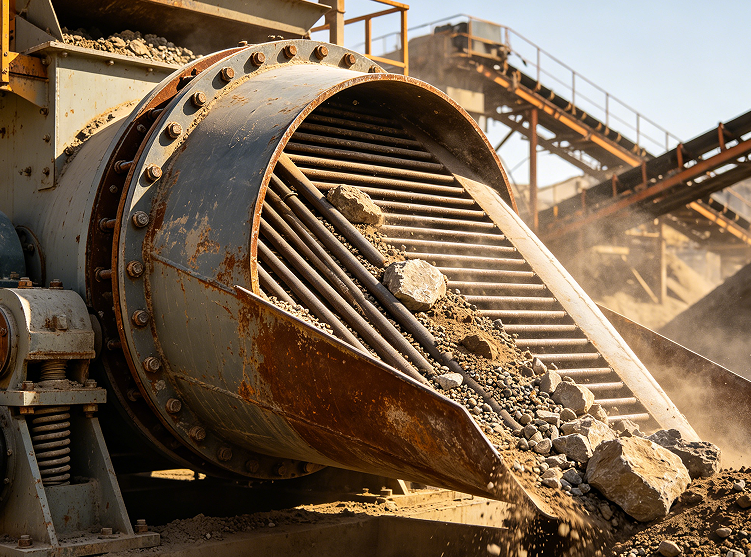
In summary, switching to tapered grizzly screens for processing large-sized ore is a smart move to address frequent downtime. Their unique shape fundamentally prevents material jamming, ensuring a smoother and more efficient screening process. If you have been struggling with equipment stoppages caused by large rocks or excessive noise, tapered grizzly screens are an excellent choice.
Leave a Message