

Have you ever noticed those metal panels along highways or on the outside of buildings? Those are perforated panels, and they're actually pretty important for the environment. You might not think much of them, but these simple panels are proving to be really useful in green technology. So, why are perforated metal panels such a big deal for environmental uses?
Fighting Air Pollution, One Hole at a Time
For example, in systems that clean exhaust gases, perforated panels act like a layer that helps gases and liquids mix more thoroughly. This means they can remove more pollutants. Waste incinerators also use these panels to catch fly ash and other small particles, stopping them from going into the air. And in places like sand pits or coal yards, perforated screens can be set up to block wind and dust, changing the airflow and really cutting down on how much dust spreads.
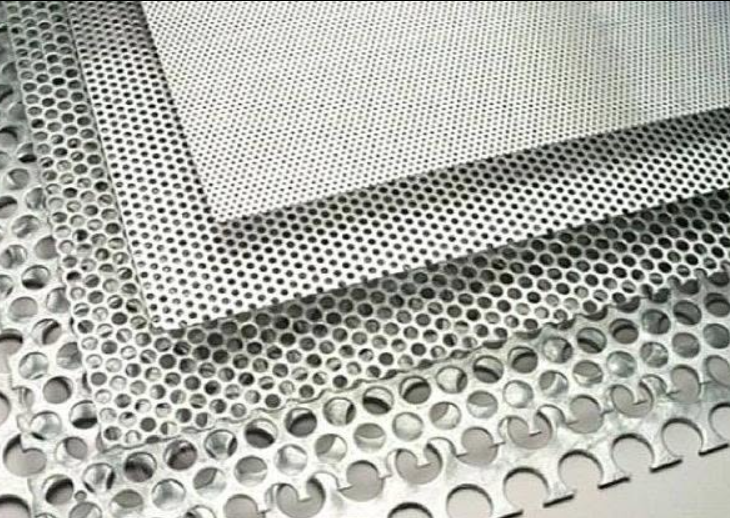
Really Good for Water Treatment
In water treatment setups, perforated metal panels help spread the water out evenly, which makes the filtration process much better. They basically act like a filter, catching small bits and impurities floating in the water. For farm irrigation, they stop mud from clogging pipes and keep the pump systems working well. Because they're often made from things like stainless steel or aluminum, they don't rust easily, so they last a long time even in wet conditions.
Soundproofing with Perforated Metal
You'll see more and more perforated metal sound barriers along highways, railways, and subway tracks. When these panels are used with sound-absorbing material, they break up sound waves and really cut down on how much noise gets through. Factories also use perforated covers for generators and fans. These covers block the machine noise but still let heat escape, something a solid wall can't do.
Different Kinds of Perforated Panels
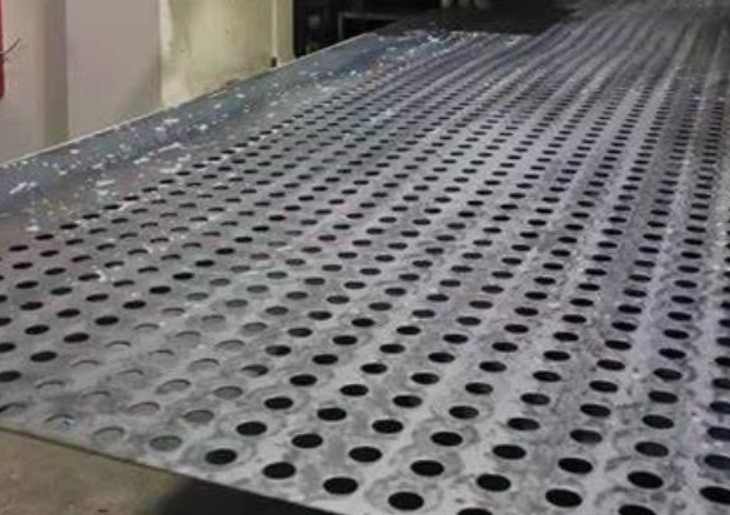
People looking for these panels have a lot of options. The metal sheets can be anywhere from 0.1 mm to 15 mm thick, and the holes can range from 0.1 mm to 200 mm across. You can find holes in common shapes like circles, squares, diamonds, hexagons, or even fish-scale designs. If you want to figure out the hole size for a mesh, you can use this: Mesh size multiplied by the hole size in micrometers equals 15,000. So, a 400-mesh screen would have holes about 38 micrometers wide.
These perforated sheets are also very recyclable. Panels made from aluminum and galvanized steel can be used over and over, which cuts down on construction waste and helps projects meet green building standards. They are light, easy to install, and don't need much upkeep, making them a really good choice. You can find perforated metal sheets made from all sorts of materials, from stainless steel and low-carbon steel to aluminum-magnesium alloys and copper. You just pick the right one depending on how much it needs to stand up to chemicals or wear.
Leave a Message