

Every time someone has to pick stainless steel gratings for a mine or chemical plant, the same debate pops up: Is it really worth paying more for 316? On the spec sheet, they seem pretty much the same. But after a few years in a tough environment, the results can be night and day. When corrosion sets in, this isn’t just about materials—it hits your wallet, too.
The Corrosion Battle: Chlorides Don’t Play Fair
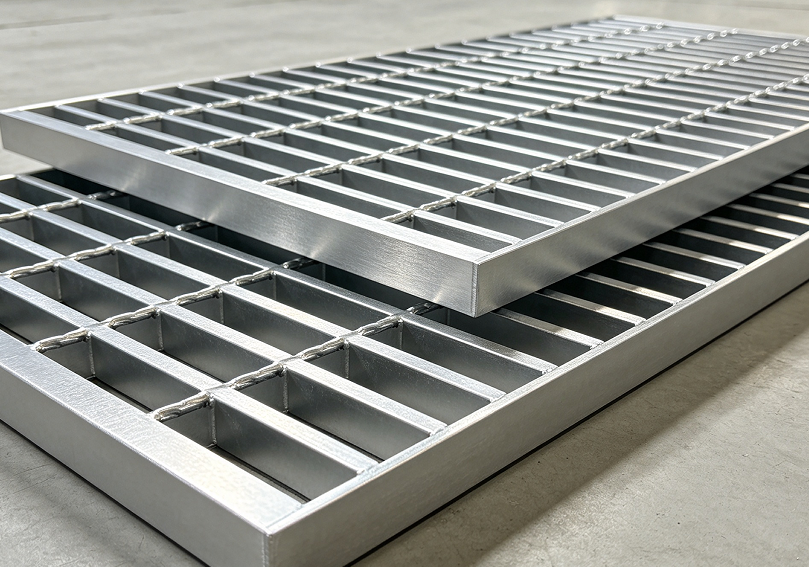
If stainless steel has a nemesis, it’s chlorides—think seawater, de-icing salts, and process water running through pipelines. Grade 304 stainless steel grating handles plain water fine, but it just can’t stand up to chlorides. You’ll see it pitting or corroding around crevices, especially when things get hot and humid. Now, 316 is a different story. Throw in a little molybdenum—just 2 or 3 percent—and suddenly, the chromium oxide layer gets a serious upgrade. That’s why 316 stainless steel grating shrugs off those same chlorides that eat 304 for breakfast. So, if your gratings are anywhere near the ocean, a flotation circuit, or spots where salt is in play, 316 isn’t overkill. It’s your only real shot at keeping the walkway intact.
The Real Numbers: Upfront vs. Long Haul
Let’s get practical. Sure, 316 stainless steel gratings will cost you about 30% more up front. But look at the big picture: replacing gratings isn’t just about the steel. There’s downtime, cranes, crew labor, you name it—costs stack up fast. I've seen it firsthand: companies trying to save money with 304 on a seaside conveyor had to rip it all out and start over in less than five years. In contrast, neighbors using 316 got 15, even 20 years with almost zero hassle. A single failure and surprise shutdown can wipe out those initial savings in an afternoon.
Here’s Where Each One Works
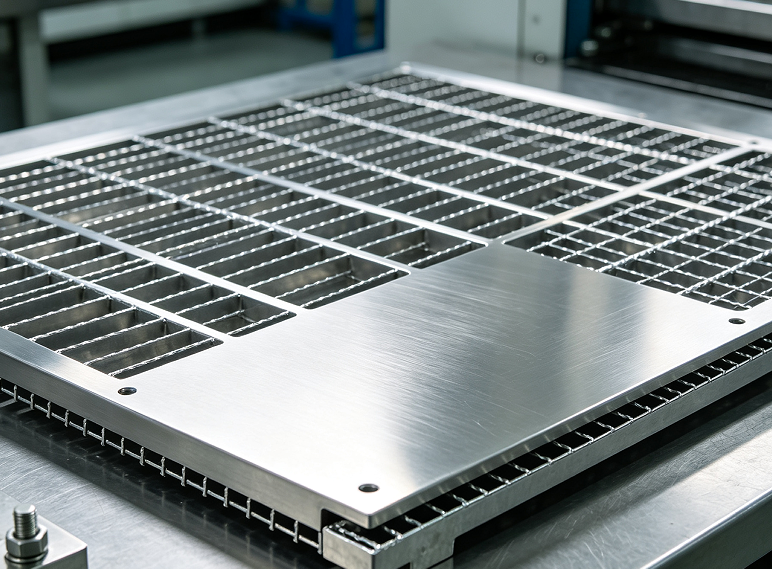
Stick with 304 in dry, indoor setups, or places with neutral water and zero salts—basically, where corrosion won’t hunt you down. Everywhere else, especially in mining, marine, or chemical processing? Go with 316. It’s the best shot at walkways that won’t pit, rust through, or compromise safety.
304 stainless steel grating has its uses, no doubt. But for anything remotely aggressive, 316 stainless steel grating wins every time. Paying a little more at the start buys you peace of mind and years of service, instead of surprise costs and headaches down the road. In the end, your budget will thank you.
Leave a Message