

If you run a sand and gravel plant, you know all about clogged screens. They stop production, and sometimes someone has to climb under a vibrating screen at 2 AM to clean it with a hammer. Self-cleaning screens completely change this situation.
Clogging is something no one wants
Wet, sticky material is really tough. Sand with clay can stick to regular wire screens in just a few hours. Just the time spent cleaning can cut production by 15% to 30%. Some plants even turn off their screens completely during the rainy season, which means half a year of no work if you're in places like the UK or the Pacific Northwest. Self-cleaning screens fix this. They have features like polyurethane strips, ball cleaners, or ultrasonic vibrations that constantly shake material off the
screen. This means no one has to clean them by hand, and production doesn't stop.
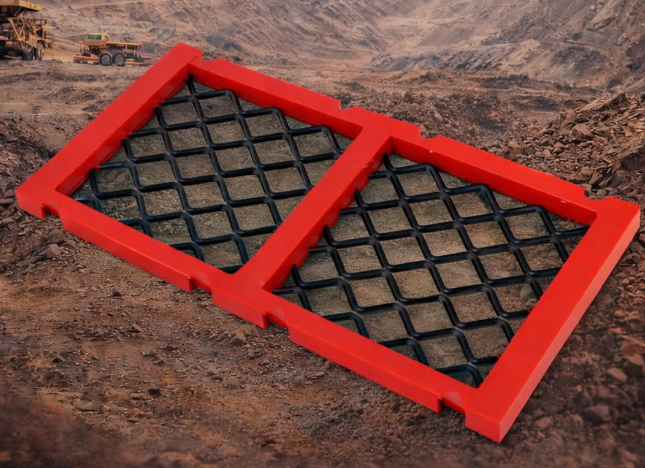
For sand and gravel work, here are some typical specs
The openings usually range from 0.5mm to 100mm, but 2mm to 20mm is common for sorting aggregate. The wire can be 0.5mm to 4mm thick, depending on how much wear and tear it will get. For materials, you might see high manganese steel for heavy wear, steel with a polyurethane coating for wet, sticky stuff, or 304/316 stainless steel if things are corrosive. Standard screen sizes go up to 1500mm by 3000mm, but you can get custom lengths. The open area, or aperture ratio, is usually 30% to 60%, and a higher ratio is better for wet screening to stop clogs. Plants using these kinds of screens say they see a 20% to 40% increase in how much material they can process compared to regular woven wire screens. This improvement is biggest when dealing with very fine aggregate (0-4mm), where clogging really slows things down.
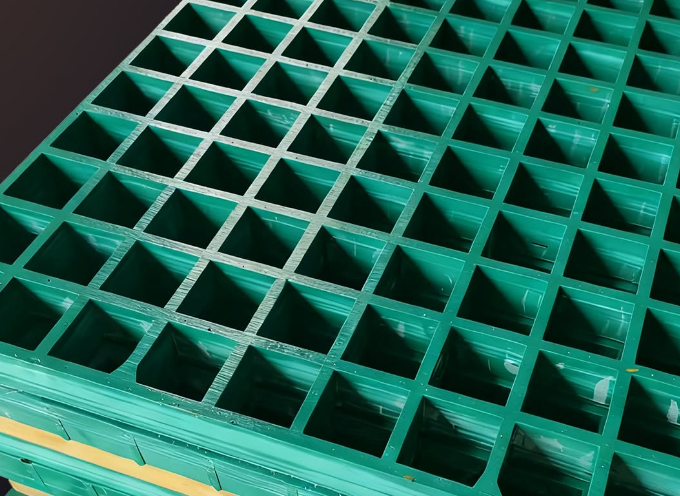
So why do these screens pay for themselves so fast
Many buyers miss one important thing: cleaning the screens. It doesn't just cut down output; it also shortens how long the screen lasts. Self-cleaning screens can make a screen last two or three times longer. Plus, since you don't need to hammer or scrub them by hand, you save a lot on labor. Also, because the screen openings stay consistent, your product quality is better, which usually means you can sell it for more.
If your plant is still cleaning screens by hand, you're losing both time and money. Self-cleaning screens aren't a fancy extra; they're pretty much essential for any serious plant today.
Leave a Message