

If you have ever witnessed a screening production line forced to halt operations due to frequent screen blinding, you know just how frustrating and costly it can be. Sticky clay, damp sand, compost, and shredded waste can easily clog standard screens; self-cleaning screens are specifically designed to solve this problem. By keeping apertures clear during operation, they have earned a reputation for high efficiency and reliability across various demanding industries. Let’s explore their application scenarios and the significant benefits they deliver.
Key Application Areas for Self-Cleaning Screens
Self-cleaning screens are primarily used in the following sectors. First, in mining and quarrying, the processing of fine, damp materials—such as limestone, coal, and ore—often leads to blinding. Self-cleaning screens keep apertures open, ensuring consistent throughput even in wet conditions. Second, in construction and demolition waste recycling, the complex composition of the waste—a mix of sand, rubble, gypsum, and other debris—easily clogs standard screens. Self-cleaning screens effectively handle these challenges, yielding cleaner recycled aggregates for reuse. Third, in composting and organic waste processing, screening operations are frequently hindered by material entanglement and clumping. Self-cleaning screens prevent organic matter from adhering, reduce the need for manual cleaning, and ensure the continuous, efficient operation of composting lines.
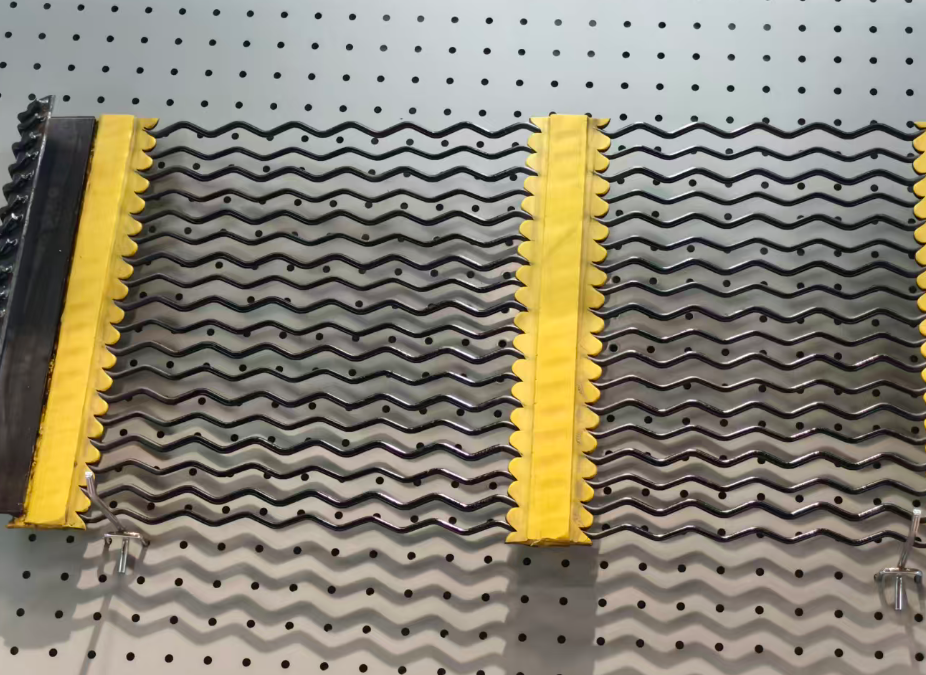
Key Advantages of Self-Cleaning Screens Over Standard Screens
First, they maintain consistently high throughput. By preventing aperture blinding and material entrapment, self-cleaning screens sustain a steady material flow, eliminating the "stop-clean-restart" cycle that severely drains daily production capacity. Second, they deliver superior product quality. Clear apertures ensure more precise particle size separation. Whether producing graded aggregates or pure compost, particle size consistency is improved, thereby enhancing product value. Third, they require less maintenance. Because the screens clean themselves during operation, the need for brushes, air cannons, or manual scraping is significantly reduced. This not only reduces labor costs but also extends the service life of the screen by minimizing localized stress concentrations. Finally, there is the matter of versatility: from clay to damp, sandy soil, self-cleaning screens can handle a wide range of challenging materials that would typically cause conventional screens to clog.
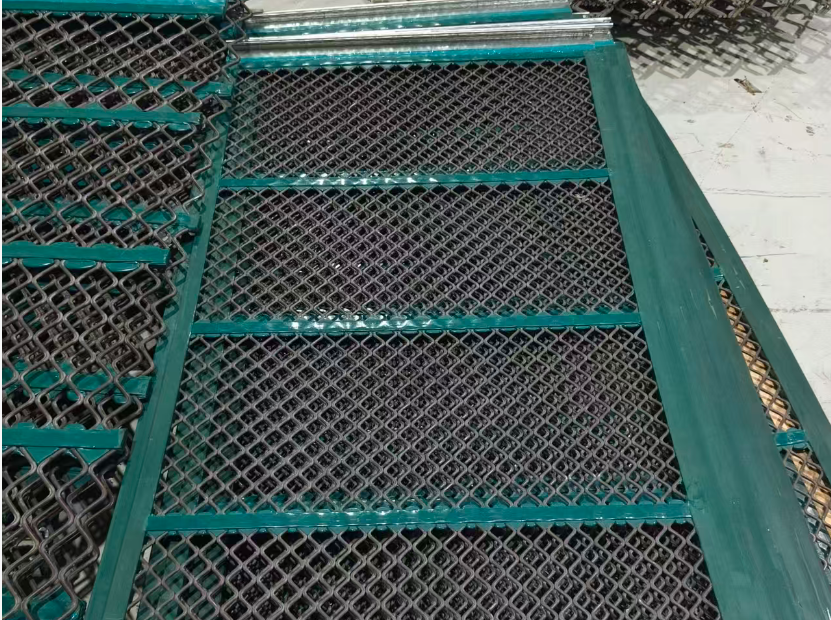
Self-cleaning screens are far more than just a niche upgrade; they offer a practical, effective solution for operations struggling with damp, sticky, or highly variable materials. Whether at a mining site or a composting facility, these screens deliver higher throughput, superior product quality, and reduced maintenance requirements. In short, they transform one of the screening process's biggest bottlenecks into a smooth, reliable production workflow.
Leave a Message