

If you’ve ever spent half a shift swapping out torn steel or rubber screen panels in a dusty mineral processing plant, you already know how much bad screen media can eat into your daily output. That’s why more and more operations are ditching traditional options and switching to polyurethane screens for their most demanding mineral processing lines. These panels don’t just last a little longer, they solve many of the most persistent pain points that quarry, mining and mineral recovery teams have dealt with for decades, from constant blinding to mid-shift failures.
Extreme Abrasion Resistance Cuts Panel Replacement Frequency
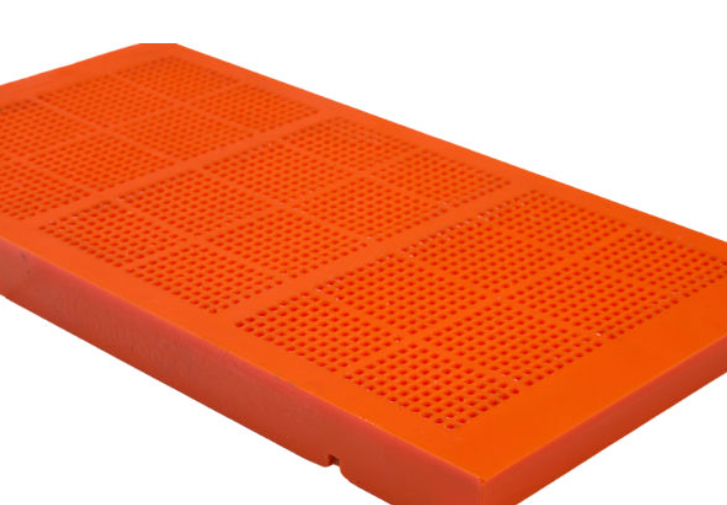
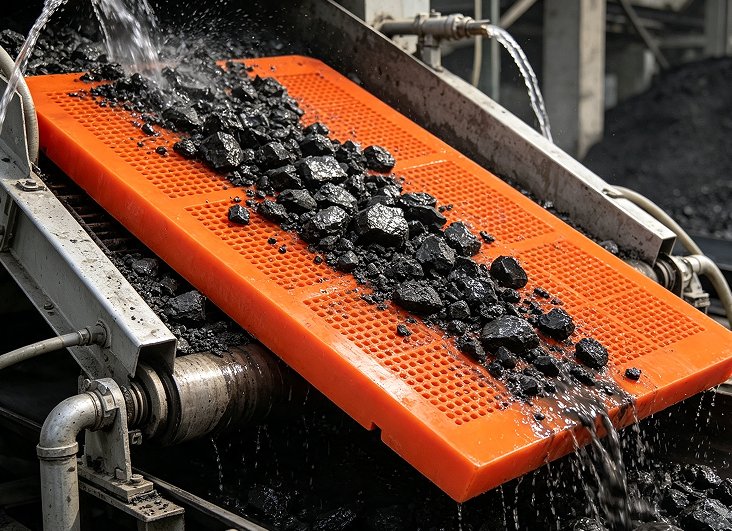
The most outstanding advantage of polyurethane screen panels in mineral processing is their wear resistance, enabling them to withstand sharp and abrasive ores. When handling hard, screen-damaging materials such as iron ore and granite, polyurethane screens can last several times longer than traditional woven metal screens; this significantly reduces replacement frequency and equipment downtime, thereby avoiding the waste of production time.
Built-In Anti-Blinding Design Boosts Consistent Throughput
One of the most underrated perks of polyurethane screens in mineral processing is their natural flexibility that fights near-size particle pegging automatically. Unlike rigid steel openings that lock sharp, similarly sized rocks in place permanently, the slightly elastic polyurethane surface flexes a little with every deck vibration, popping stuck particles loose before they can block the aperture. This keeps your effective open area high even when processing damp, sticky ore that would clog a steel deck in hours. You won’t need to send a crew member over to poke blocked holes with a metal rod every shift, and your throughput stays steady instead of dropping off halfway through the day.
Lower Noise and Lighter Weight Improve On-Site Safety
Unlike clanging steel mesh that amplifies every impact from falling ore, polyurethane screens absorb vibration and cut overall deck noise by 15 to 25 decibels. That makes the whole screening zone far more comfortable for workers who spend hours nearby, and it helps sites hit strict local occupational noise limits without adding extra soundproofing. The panels are also 50% lighter than equivalent steel screens, so your team can carry and swap them out without heavy lifting equipment, drastically lowering the risk of on-site strain and injury during maintenance.
If your mineral processing operation is still stuck dealing with constant screen tears, frequent blinding and noisy, tiring maintenance shifts, it’s time to test polyurethane screens on your highest-wear deck. Reach out to a local supplier who can match the right hardness, aperture shape and panel size to your exact ore type, and you’ll see immediate gains in uptime, safety and long-term operating cost.
Leave a Message