

For quarry, mining and recycling operations that constantly fight sticky clay, wet ore and damp biomass clogging up square or round opening screens mid-shift, diamond woven metal screens cut downtime for unclogging by nearly 70% on average. Unlike standard mesh that traps soft, adhesive material tight in sharp 90-degree corners, the slanted, elongated diamond geometry creates natural self-cleaning momentum as material moves across the deck. Many site operators report they no longer need to stop production every 2 hours to manually scrape caked-on sticky material off the screen surface, directly boosting their hourly processing output by 30% or more.
Slanted Edge Geometry Reduces Material Trapping Points
Diamond-shaped woven metal screens have no sharp right-angle corners that sticky, high-moisture material can wedge itself into. The continuous slanted sides of each aperture guide soft, adhesive particles to slide through smoothly instead of getting stuck and building up a thick caked layer that blocks the entire opening. Even for ultra-sticky feed like waterlogged clay or fine damp coal slurry, the slanted edges create a gentle shearing effect that breaks apart clumps before they can stick to the mesh surface.
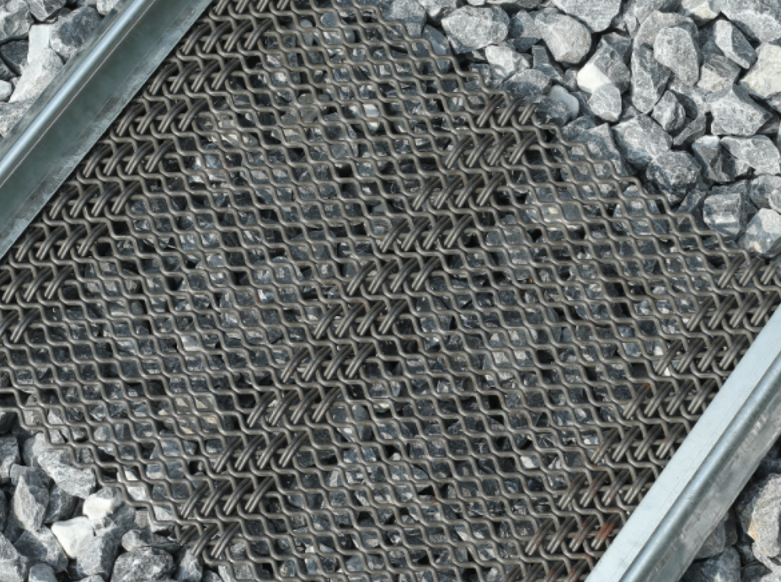
Elongated Flow Path Boosts Self-Cleaning Vibration Effect
The stretched diamond-shape amplifies the natural vibration of standard screening decks, making the mesh flex slightly more with every vibration cycle to shake loose any tiny bits of sticky material that might cling to the wire surface. This constant micro-movement prevents the gradual buildup that turns small clogs into full blockages over hours of continuous operation. It also lets fine sticky particles pass through faster without getting dragged along the deck by larger aggregate, reducing the risk of oversize sticky material being carried off to the wrong discharge chute.
Optimized Open Area Delivers Higher Throughput Without Sacrificing Accuracy
Compared to standard square mesh of the same nominal separation size, diamond-shaped woven metal screens have a larger total open area that lets more material pass through per minute, even when processing heavily sticky feed. The consistent geometric proportions of each diamond aperture still keep separation accuracy high, so you won’t end up with unwanted fine sticky particles mixed in your final graded product. Most operations can swap their old square mesh out for diamond screen variants without any modifications to their existing vibrating deck mounts.
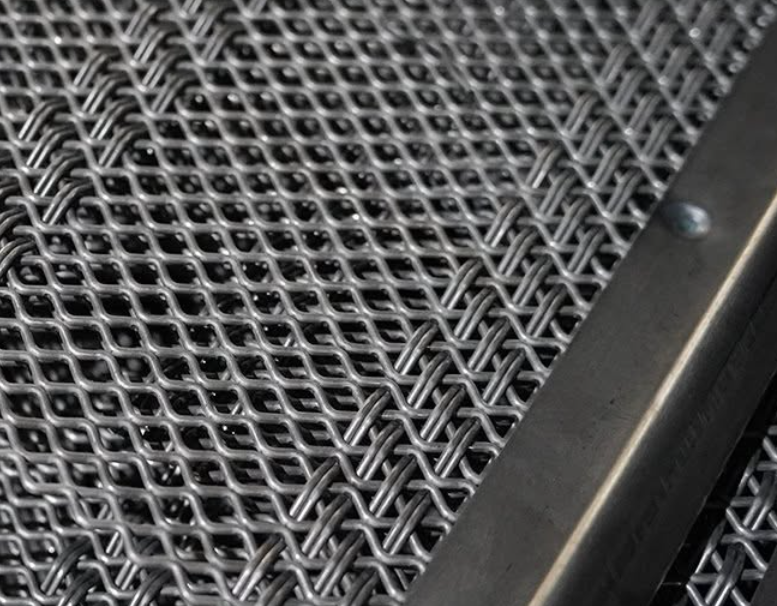
If you are struggling with clogged apertures when processing sticky materials and spending a significant amount of time clearing blockages from the scree, then opting for diamond-shaped woven metal screens is highly recommended. Please feel free to contact us anytime for advice on custom screen solutions.
Leave a Message