

For mining, aggregate processing and coal washing teams that often grab random polyurethane screen panels off the shelf without checking thickness specs, it’s extremely common to end up with panels that tear in 2 weeks or run up unnecessary extra equipment power costs.Picking the right thickness for your exact operating scenario doesn’t just extend screen service life — it can boost your overall screening efficiency by 30% and cut annual screen replacement costs by nearly half. The sweet spot for most operations falls between 10mm and 45mm, but thin and thick panels each have very specific use cases where they outperform the other by a wide margin.
Thin PU Panels for Fine, Low-Impact Feed
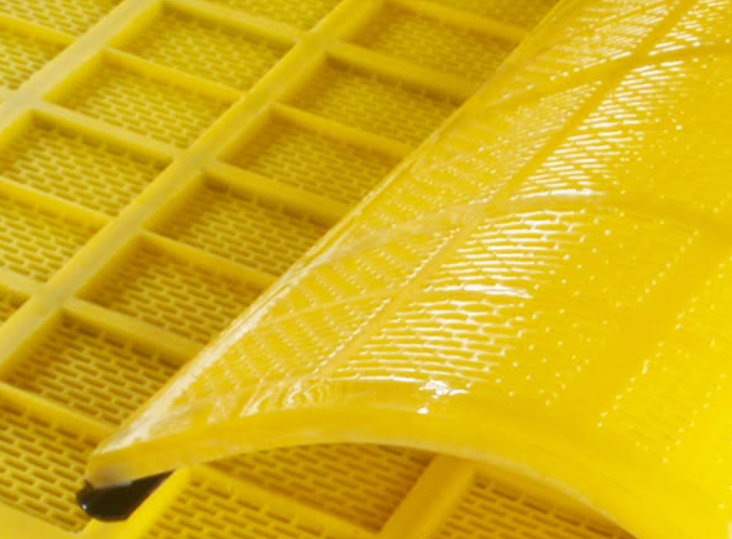
Thin polyurethane screen panels are the go-to pick for fine-grained sizing, dewatering and desliming jobs that handle particles under 10mm. Their lightweight design cuts total deck weight by 40% compared to thick panels, which lowers vibration screen motor load and reduces daily power consumption noticeably. The extra flexibility of thinner PU also amplifies the self-cleaning effect, making it nearly impossible for near-size fine particles to get wedged in apertures, even when processing damp, sticky fine sand or tailings. Most high-frequency fine screening decks run these thin panels and see 2x longer continuous run times between cleaning cycles.
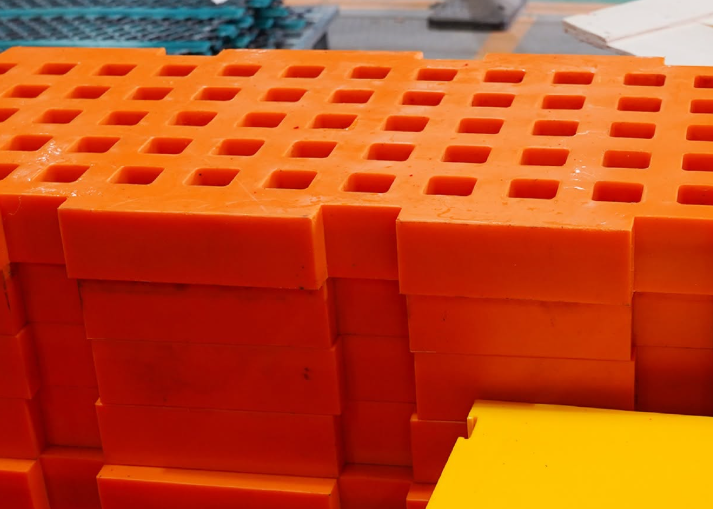
Thick PU Panels for Heavy, High-Impact Scenarios
Thick polyurethane screen panels are built to stand up to repeated heavy impact from 60mm+ coarse rock chunks on scalping decks, coal washing dense medium recovery lines and primary crushing discharge screening. Using the simple industry rule of thumb, panel thickness should be at least 10% of your maximum feed particle size plus a 5mm PU-specific wear buffer to avoid premature denting or tear-through. Their extra dense structural rigidity also eliminates unwanted panel sag under 24/7 full-load operation, so aperture sizing stays consistent for months without warping, even when processing highly abrasive hard ore.
Transition Thickness for General-Purpose Mid-Range Use
For mid-sized aggregate grading, medium ore secondary screening and other mixed-feed scenarios that don’t fall fully into the fine or heavy coarse categories, this middle thickness range strikes the perfect balance. It delivers enough flexibility to resist clogging for mid-sized particles, while still offering enough impact resistance to handle occasional oversized stray chunks that slip through the primary crushing stage. Most sites that run mixed feed types keep a small stock of these mid-thickness polyurethane panels on hand for quick swaps when their regular dedicated panels are out of stock.
If you’re still wasting money on mismatched polyurethane screen panels that wear out too fast or drag down your screening throughput, our team can run a free 10-minute assessment of your exact feed specs, deck vibration parameters and operating hours to nail down the perfect thickness for your setup. Reach out today for a no-obligation custom quote to cut your screen maintenance headaches and boost production this month.
Leave a Message