

For mining, aggregate processing and fine powder production teams that constantly fight with stuck near-size particles, sticky wet feed and frequent manual unclogging work on standard screens, self-cleaning screens powered by targeted physical vibration cut 90% of routine maintenance downtime and boost hourly throughput by 30% on average. Unlike outdated setups that rely on rubber bouncing balls or manual scraping to clear blocked apertures, these vibration-driven systems eliminate clogging at the source, no extra consumables or labor required. Most operations that switch to this design see their screen service life extend 2 to 3 times, with zero unexpected mid-shift shutdowns caused by fully blocked mesh.
Eccentric Exciter Driven Base Vibration Trajectory
The core power source of most self-cleaning screens is a heavy-duty eccentric vibrator that generates controlled, consistent centrifugal force to drive the entire screen deck along a preset motion path, usually circular, linear or elliptical. This high-frequency, low-amplitude vibration keeps all feed particles in a continuous suspended, bouncing state instead of piling up and wedging into mesh openings, so even sharp, irregular near-size fragments that usually get stuck in standard screens can’t lock into place long enough to cause full blockages. You can easily tweak the vibration frequency and stroke to match your exact material properties, from coarse 50mm concrete debris to ultra-fine 200-mesh mineral powder, to get the ideal anti-clogging effect.
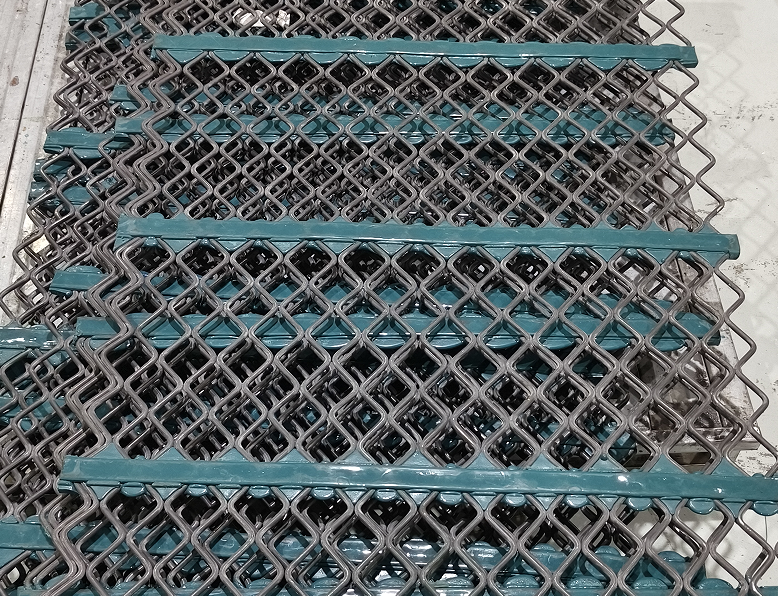
Dynamic Mesh Relative Motion for Zero Wedging
Many premium self-cleaning screen designs use a split dynamic-static wire layout, where adjacent mesh strands move independently instead of staying fully fixed to the frame. One set of steel wires stays nearly static while the paired set vibrates at a slightly offset frequency, creating tiny, constant relative movement between every mesh opening that shakes loose any particles that start to wedge into the gaps. This simple physical motion eliminates the most common clogging cause, where particles with multiple contact points get locked into rigid, non-moving apertures, no extra water flushing or chemical additives needed.
Targeted High-Frequency Auxiliary Vibration for Fine Feed
For ultra-fine, easy-to-clog materials like fine silica powder or damp mineral slurry, many self-cleaning proesses add a secondary low-power vibration layer that delivers 18-38kHz micro-vibrations directly across the entire mesh surface. This extra tiny, fast vibration keeps fine particles fully suspended, stopping them from sticking together or adhering to the mesh wires, and clears even the smallest blocked apertures that standard base vibration cannot reach. This design also cuts down fine material loss in tailings, making it perfect for high-value fine processing lines.
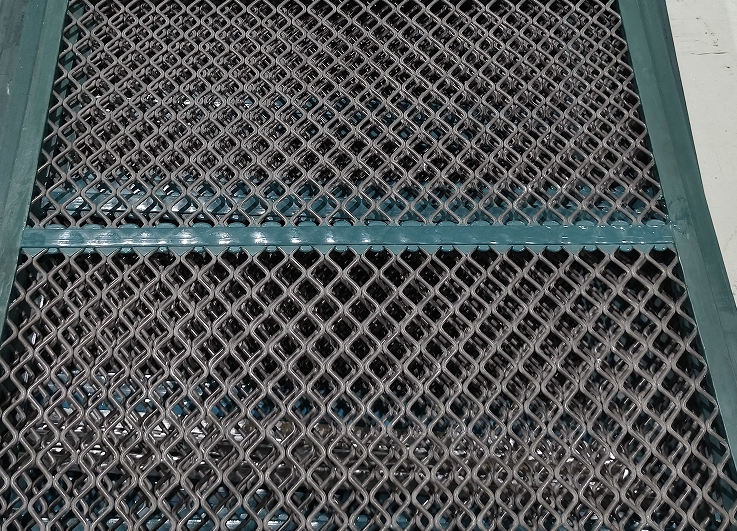
If you’re still wasting hours every week manually scraping clogged screens and losing valuable production time on your processing line, our team of screening specialists can run a free quick assessment of your exact material type, aperture size and hourly throughput to match you to a fully customized vibration self-cleaning screen setup.
Leave a Message