

For quarry and mining teams tired of guessing when to swap out rubber screen panels, tracking residual wear thickness is the most practical, low-fuss method to avoid both throwing away perfectly usable panels too early and getting caught off guard by sudden tear-through that halts production. Unlike vague visual checks that miss hidden uneven abrasion under caked-on material dust, measuring wear thickness lets you make data-backed calls that typically extend panel service life by 15% to 20% while keeping your screening efficiency and final product gradation fully consistent.
Lock in Your Baseline Reference Points First
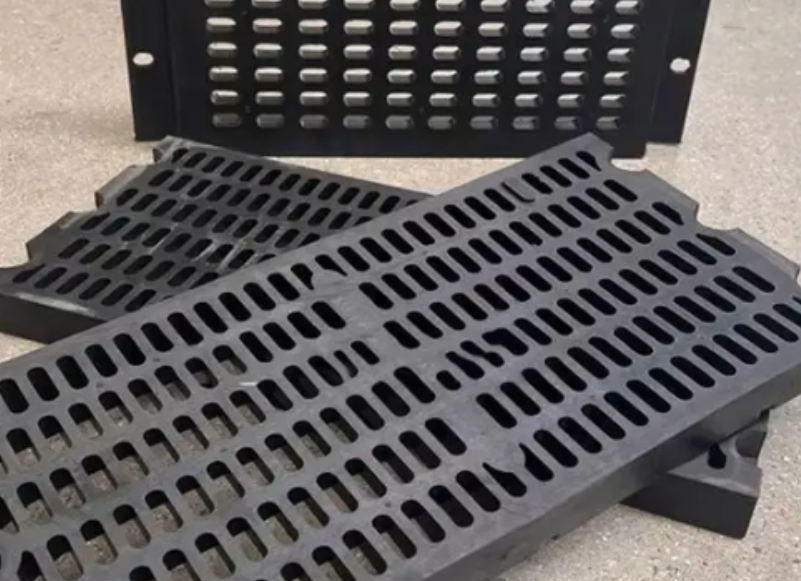
Start by jotting down the factory original total thickness of your rubber screen panels, which usually falls between 7mm and 30mm for standard industrial models, with a reinforced steel skeleton embedded 2mm to 5mm below the working rubber surface. Mark 3 to 4 fixed check spots on each panel, focusing on the high-wear zone 1/3 of the deck closest to the material feed inlet, where 70% of all abrasion happens during normal runs. Log these baseline thickness numbers in your daily maintenance sheet the day you install new panels, so you have a fixed, consistent benchmark to compare against during every inspection.
Set Custom Wear Thresholds for Your Operation
For most general limestone and gravel processing lines, the sweet spot replacement trigger is when the top working rubber layer wears down to 20% of its original usable thickness above the embedded steel skeleton. For example, a 15mm thick panel with a 3mm top rubber layer should be swapped once residual rubber thickness hits 0.6mm, right before the hard metal skeleton gets exposed to falling material. If you run high-impact lines processing sharp 50mm+ raw ore, bump this threshold up to 30% residual thickness to avoid unexpected tear-through, while low-abrasion fine sand operations can safely drop it to 15% to squeeze every last bit of value out of each panel.
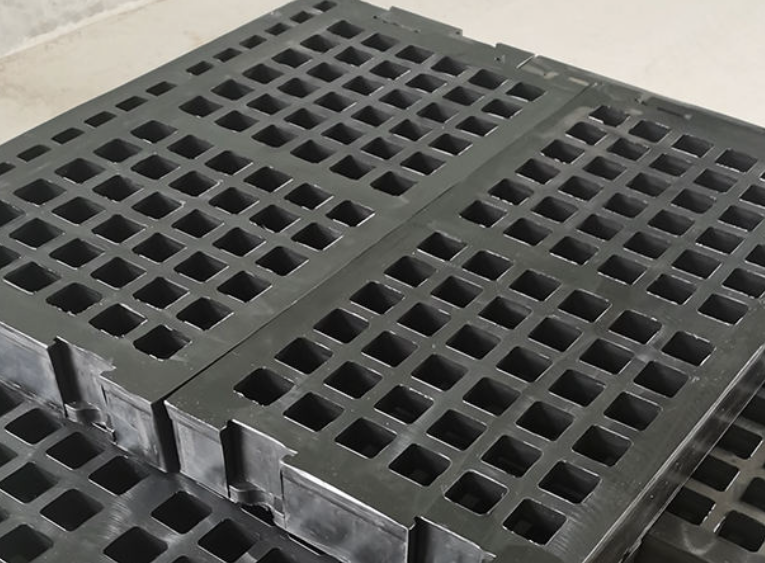
If you’re still wasting money on premature rubber screen panel swaps or dealing with unplanned downtime from worn-out decks, our local screening specialists can walk you through setting up a simple 5-minute weekly wear thickness check routine tailored exactly to your feed material and production pace. Reach out today for a free, no-obligation quick assessment to cut your annual screen replacement costs and eliminate unexpected shutdowns linked to missed panel replacement windows.
Leave a Message