

For aggregate processing, farm fencing and outdoor filtration operators who’ve wasted thousands replacing rusted welded screens that failed in under 2 years, comparing the corrosion protection processes and real-world service life of hot-dip galvanized welded screens helps you pick a cost-effective option that avoids premature breakdowns and cuts long-term maintenance costs by nearly 40%. Unlike cheap low-quality alternatives that flake and rust after a few months of outdoor exposure, properly processed hot-dip galvanized welded screens create a strong, long-lasting protective barrier that holds up far better under regular moisture, dust and minor chemical exposure.
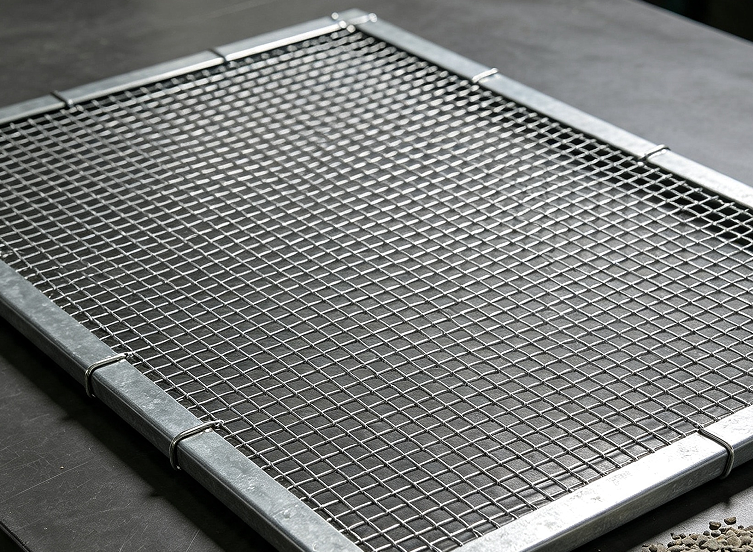
Core Hot-Dip Galvanizing Process Advantages
The standard hot-dip galvanizing process does not involve forming a thin electroplated zinc layer on the steel surface. Instead, it involves immersing the fully welded screen in a zinc bath at a temperature exceeding 450°C to form a dense, layered iron-zinc alloy structure. This creates a uniformly thick zinc layer that covers every weld, wire edge, and corner that the welded screen cannot reach, preventing premature rusting and other problems. The zinc layer also acts as a sacrificial anode: even if a small scratch exposes the underlying steel, the surrounding zinc corrodes first to stop rust from spreading across the whole screen.
Real-World Service Life Performance Breakdown
Actual service life of hot-dip galvanized welded screens shifts noticeably based on your operating environment: in dry inland quarry sites with low humidity and no salt exposure, a properly processed screen can last 10–15 years with almost no routine maintenance. In humid, rainy southern regions with frequent rain wash, the zinc layer wears slightly faster, delivering a reliable 8–10 years of service. For coastal sites with heavy salt spray or industrial zones with mild acid/alkaline fumes, a standalone hot-dip galvanized screen will last 5–8 years, and adding an extra powder coating topcoat can extend that lifespan to over 15 years. It’s critical to avoid cheap knockoff screens that use cold galvanizing or spray-on zinc paint, which only offer 1–2 years of rust protection before large-scale corrosion sets in.
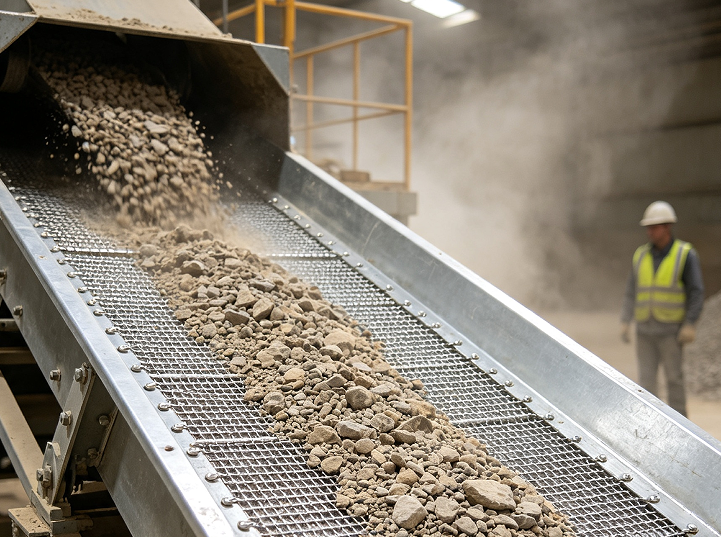
If you’re looking to pick the right corrosion protection setup for your specific site conditions, our team can help you calculate the most cost-effective hot-dip galvanized welded screen option that matches your budget and expected service life targets.
Leave a Message