

Rare earth elements are the backbone of so many high-tech industries, so getting the sorting process right really matters. One piece of the puzzle that can make a big difference? Polyurethane fine screens. The right screen doesn’t just keep things running smoothly—it shapes the overall quality and yield of your rare earth extraction.
Understanding Material Characteristics
Start by looking closely at your raw material. Rare earth ores aren’t all the same. They can vary a lot in particle size, hardness, and moisture. These differences affect how your screens perform. Take time to analyze the ore; then you can pick screens with the right aperture size and thickness. It’s a simple step, but it helps you get the best balance of durability and efficiency.
Evaluating Screen Durability
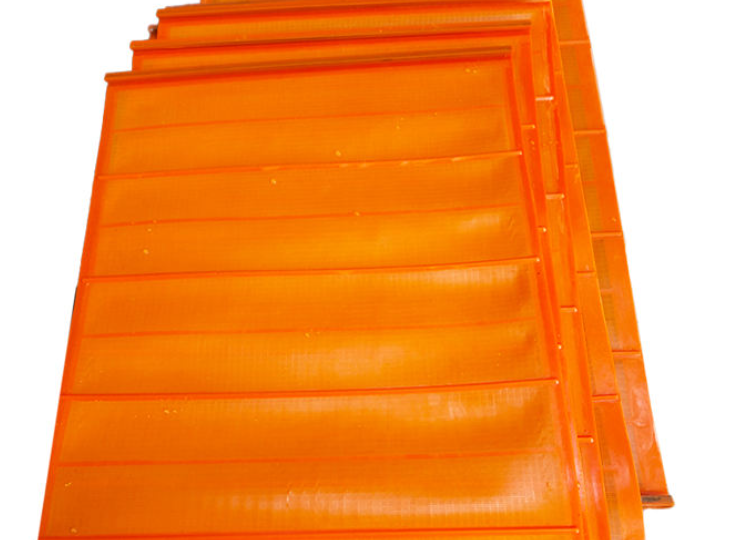
Next, think about durability. Polyurethane screens are popular because they last and stand up to constant wear, but not all polyurethane is equally tough. Check the abrasion resistance and tensile strength when you’re making your choice—these factors really matter when your equipment is grinding away day after day. Going with a high-quality polyurethane screen cuts down on breakdowns and replacement hassles, helping your operation run without a hitch.
Optimizing Screening Efficiency
Of course, none of that means much if your screens can’t sort materials efficiently. Good screens separate particles accurately by size, with plenty of open area so material doesn’t get backed up or jammed. That keeps the fine particles moving through and boosts your overall yield of valuable material.
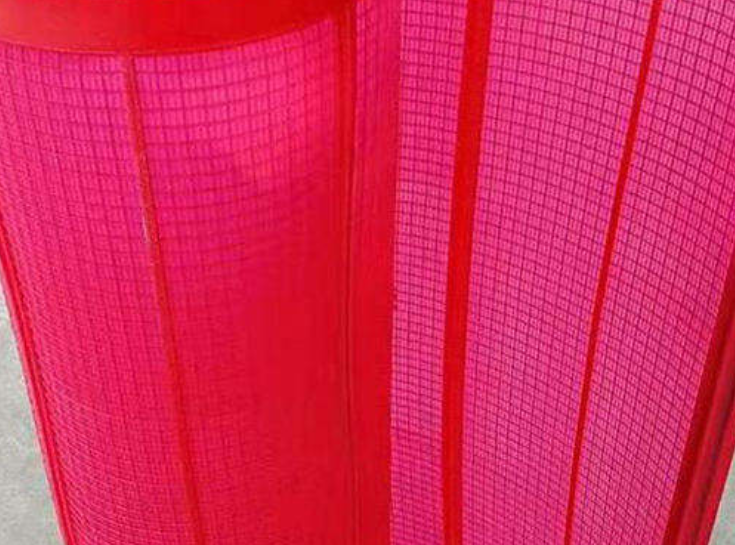
In short, picking the right polyurethane fine screens has a huge impact on rare earth ore sorting. Know your ore. Choose screens that can take a beating. Make sure they sort particles cleanly and efficiently. The effort you put into selecting the right screen pays off with better productivity and lower costs down the line. Pay attention to these key points, and your sorting operation stays sharp, competitive, and reliable.
Leave a Message