

If your tailings dam is overflowing, or your coal washing plant is losing money due to wet products, then polyurethane dewatering screens are about to become your powerful assistant. In mine tailings treatment and coal washing plants, the performance of polyurethane dewatering screens is quietly surpassing that of steel screens, with significant advantages in these areas.
Why are tailings operations turning to polyurethane dewatering screens
Treating mine tailings is a challenging task. It involves processing abrasive, corrosive slurries that typically contain particles smaller than 0.075 mm. Traditional steel screens wear out within weeks. Polyurethane dewatering screens, however, can withstand this impact and corrosion, boasting a Shore A hardness of 85-95A and a tensile strength exceeding 25 MPa. This open-pore structure allows water to drain quickly while trapping solid particles—reducing the moisture content to 14-18% in a single pass, compared to 22-25% for traditional screens.
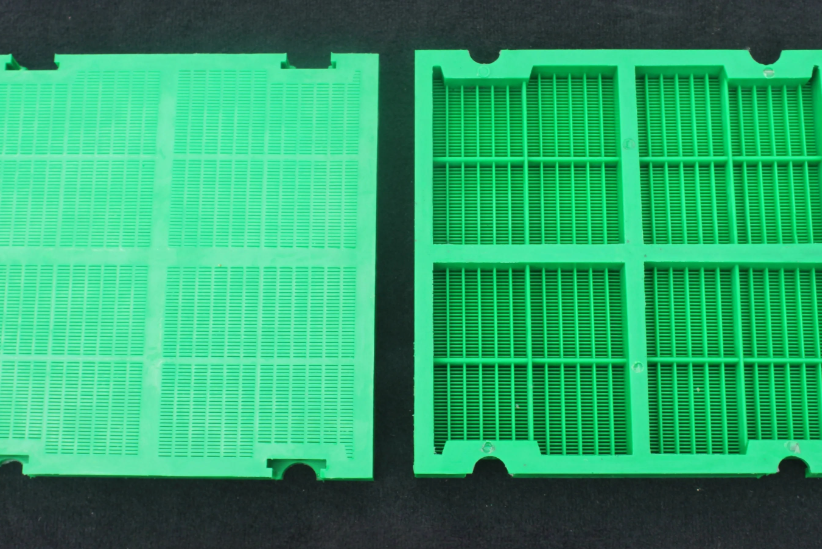
Polyurethane dewatering screens are also widely used in coal washing plants
In the coal preparation process, the real headaches are the loss of fine coal and screen clogging. Polyurethane dewatering screens can solve both problems simultaneously. Their self-cleaning flexibility keeps the screen openings clear, meaning a 5-8% increase in recovery rate – a tangible benefit. The specifications of polyurethane dewatering screens used in coal washing operations are typically as follows: Aperture: 0.075mm – 6mm; Panel size: 305×610mm or 305×915mm (modular); Service life: 3-5 times that of steel screens; Operating temperature: -30°C to 70°C; Moisture output 14-22%, mainly depending on the feed.
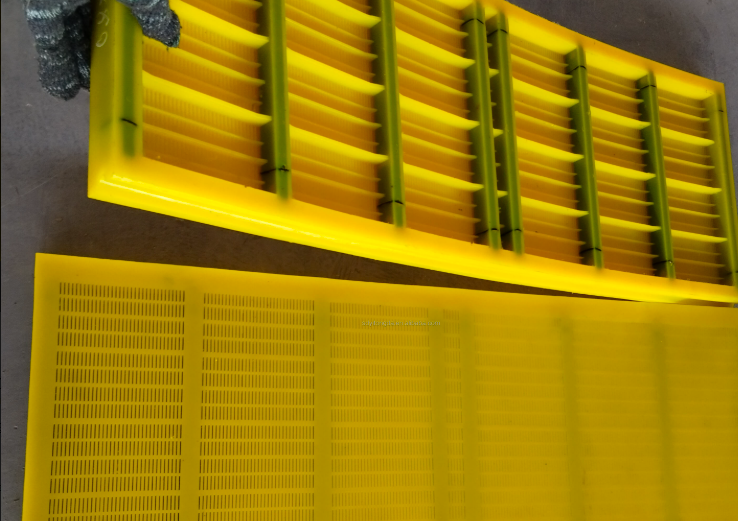
Whether you are dewatering from iron ore tailings or recovering fine coal from coal washing water, PU dewatering screens offer a longer service life, higher throughput, and lower maintenance costs. Many mines in various regions have already begun using them.
Leave a Message