

In industrial screening, the choice between woven wire mesh and perforated plate screens isn’t about specs, it’s about matching the tool to your operation. One delivers precision; the other, endurance. Here’s what works in real-world use.
When Precision Really Matters: Woven Wire Mesh
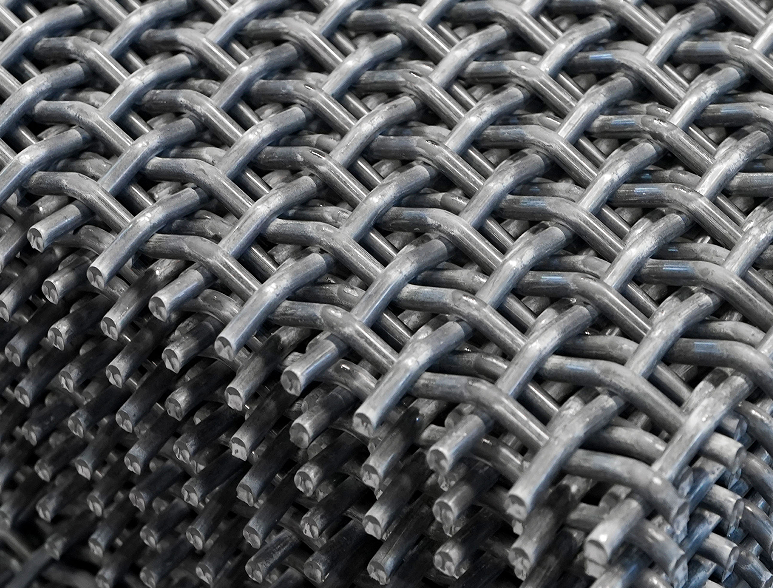
Woven wire mesh excels at separating fine particles down to 20 microns thanks to tightly controlled plain, twill, or Dutch weaves that ensure uniform openings. It’s the standard in pharmaceuticals, food processing, and labs, where particle consistency is critical. But its thin wires are vulnerable to abrasion and impact. In high-wear environments, mesh can fail in weeks, demanding frequent replacements. Still, for dry, non-abrasive powders or analytical sieving, its clarity and
repeatability are unmatched.
Built to Last: Perforated Plate Screens
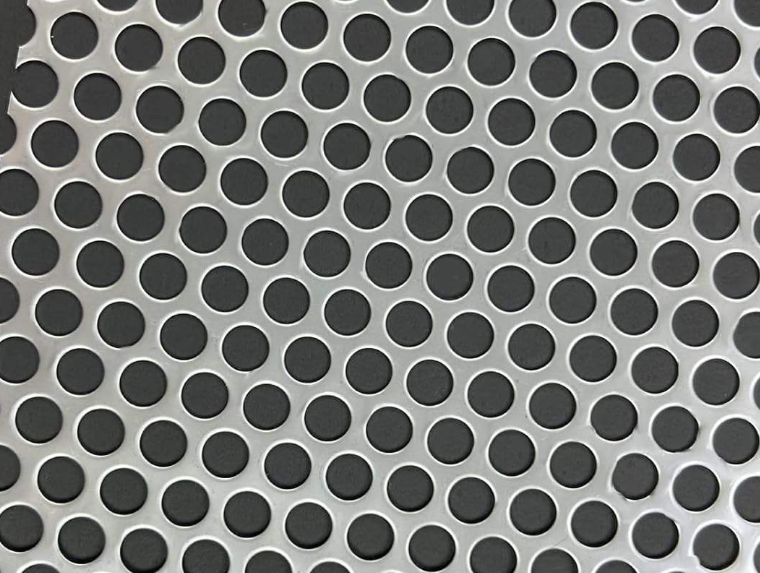
Laser-cut or stamped from wear-resistant steel like NM45 perforated plates endure heavy impacts from rocks, slag, or wet aggregates. In mining and quarrying, they last 3–8 times longer than woven mesh, slashing downtime. While aperture tolerance is looser, their high open area boosts throughput. Crucially, they resist bending, sagging, or deformation because it is essential for all day vibrating screen operations.
Looking at the Real Costs
Woven mesh costs 30–50% less upfront. But in harsh conditions, replacing it every 30–60 days can triple its lifetime cost. Perforated plates cost 2–3x more initially, yet last 12–24 months in heavy use—driving down cost per ton screened. For operations running 10+ hours daily, the plate wins on total ownership. In low-wear, high-precision zones? Woven mesh remains ideal.
Making the Right Choice
Choose woven wire mesh for fine powders, pharmaceuticals, or dry minerals where micron-level accuracy matters and wear is minimal.Choose perforated plate screens for crushing stone, coal, recycling, or wet slurries where uptime and durability are non-negotiable.
Still unsure? Review your last three screen replacements. If you’re changing mesh monthly, you’re likely using the wrong tool. The right screen doesn’t just cut costs—it keeps your line running.
Leave a Message