

Every worn wedge wire screen tells a story. The specific patterns of abrasion, pitting, and deformation across its surface aren't just random damage—they're a direct report card on how the screen was installed and how the material flows across it. Learning to read these wear patterns is a crucial skill for maintenance teams, as it provides actionable insights to correct installation orientation and dramatically extend screen life.
Decoding Common Wear Patterns
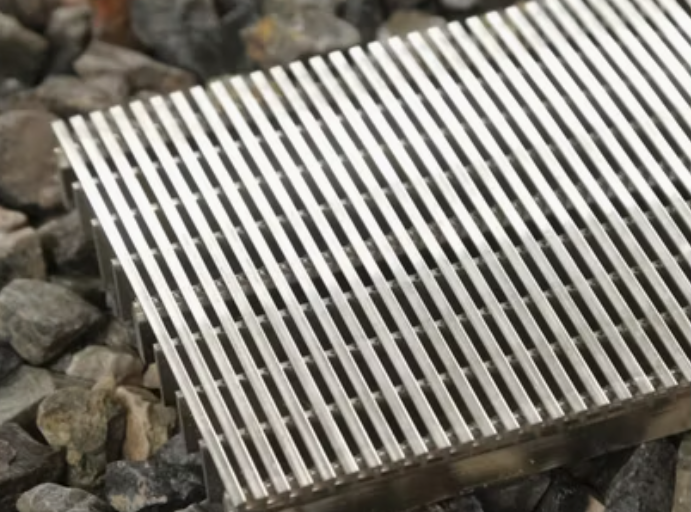
Abrasion marks that run in long, uniform lines along the length of the V-shaped wires typically indicate the wedge wire screen is taking the full force of the feed material head-on. This is often a sign of a horizontal or incorrectly angled installation where gravity isn't helping to distribute the load. Conversely, localized, severe wear or "gouging" at specific spots, especially near the edges or the feed point, screams "impact zone." This happens when a heavy, fast-moving stream of material hits the same small area repeatedly, often because the feed chute isn't aligned correctly or the screen is too flat. Pitting and corrosion clusters, meanwhile, often point to material buildup in dead zones caused by poor flow dynamics.
Strategic Installation for Even Wear
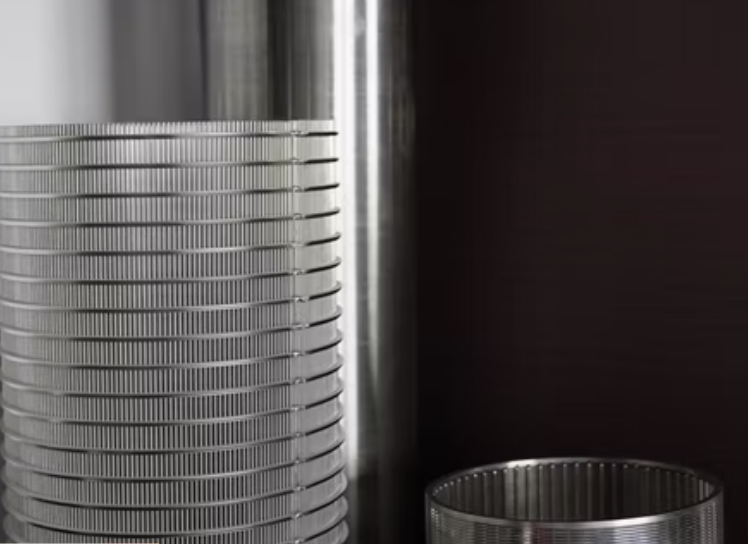
The goal of correct installation orientation is to turn a destructive, concentrated attack into a gentle, even distribution of material. For most vibrating or static screening applications, installing the screen at a slight downward angle is key. This allows gravity to pull the material across the surface, utilizing the full screening area and preventing material from piling up and grinding in one spot. Always align the screen so that the feed hits the center of the panel, not the edge. For wedge-wire panels in a cylindrical filter, ensure the internal feed nozzle is centered and that the rotational speed is sufficient to create a thin, even cake across the entire inner surface.
Actionable Recommendations from the Ground Up
First, conduct a post-mortem on your next failed screen. Map the wear. Is it even or patchy? Is one side destroyed while the other looks new? This is your diagnostic tool. Second, adjust your installation based on the evidence. If wear is concentrated at the inlet, install a sacrificial wear plate or a feed box to dissipate the energy. If the wedge wire panel wears out in the middle first, consider increasing the deck angle slightly to improve material travel. Finally, mark the "top" or "flow direction" on the screen frame during installation to ensure it's always mounted correctly during replacements, maintaining the optimal installation orientation for material flow.
Understanding wear patterns transforms screen replacement from a routine cost into a continuous improvement opportunity. By installing wedge-wire screens with an intentional orientation that promotes even material distribution, you directly combat the localized wear that leads to premature failure. The right angle and alignment are simple, low-cost adjustments that yield high returns in longevity and consistent screening performance.
Leave a Message