

If you’ve ever run a screening plant through a harsh northern winter, you know how fast a perfectly good rubber screen panel can turn brittle and snap without warning. Low-temperature environments increase the risk of screen embrittlement—a challenge that most standard rubber screens cannot withstand—making screen panels more prone to cracking and potentially leading to unplanned downtime and reduced operational efficiency. Understanding the causes of this issue and implementing targeted measures can significantly lower maintenance frequency and ensure the smooth operation of screening equipment.
Why Rubber Screen Panels Turn Brittle In Cold Conditions
Most general-purpose rubber screen panels are formulated for mild, above-zero operating temperatures. When the ambient temperature drops far below their glass transition point, the flexible polymer chains inside the rubber lock up and lose their stretch. Instead of flexing with every screen vibration and absorbing impact from falling material, the material goes hard and glassy. Even a normal, routine blow from a lump of ore or a routine deck stroke can create a tiny crack that spreads across the whole panel in hours, leading to sudden, total failure you never saw coming.
Formulation Tweaks That Beat Low-Temperature Embrittlement
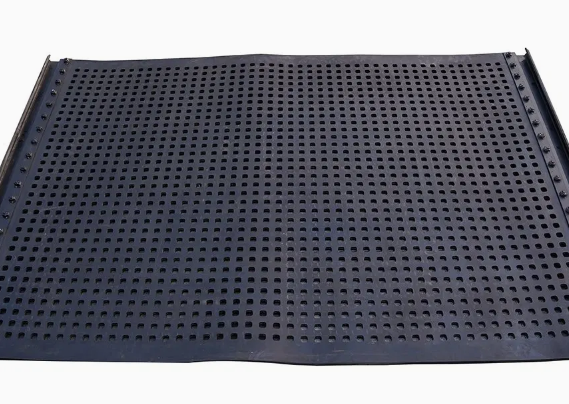
The most effective improvement strategy starts right at the material level. Rubber screen panels designed for cold climates utilize a specialized low-temperature rubber compound,incorporating natural rubber and dedicated plasticizers to ensure flexibility in temperatures as low as -40°C. This material composition enables the screens to maintain excellent elasticity and tear resistance, preventing brittleness or cracking even after prolonged exposure to extreme cold.
Practical On-Site Tips To Cut Cold-Related Failures
Small operational tweaks go a long way too. Avoid hitting frozen panels with a hammer to knock off caked material, that’s the fastest way to create a stress crack in already embrittled rubber. If your site sits idle for days in extreme cold, run the screen at low vibration for 10 minutes before feeding material, to let the panels warm up slightly and flex back to their normal state. You can also add a thin, insulated cover over the feed end of the deck to block direct icy wind chill, which stops the rubber screen surface from dropping far below the ambient air temperature.
Embrittlement risk doesn’t have to be an unavoidable winter headache for your operation. By switching to low-temperature formulated rubber screen panels and adding a few simple, common-sense on-site operating adjustments, you can eliminate almost all sudden cold-related panel failures. This keeps your screening line running steady through the harshest winter months, cuts your cold-season spare parts costs, and stops you from wasting man-hours swapping out cracked panels in freezing weather.
Leave a Message