

The vibrating screen exciter is really the beating heart of a vibrating screen. If it goes down, production grinds to a halt. So, you’ve got to know what’s wearing out inside and stay on top of replacement cycles—that’s how you avoid those nasty surprises and the downtime that comes with them. All those internal parts take a beating from constant, heavy vibration. Keeping a close eye on their lifespan and swapping them out on time keeps everything running smoothly and saves you money on both repairs and lost production.
Here’s What to Watch Inside the Exciter
First off, bearings. They deal with the most stress out of any component, supporting the big eccentric weights that actually make the screen vibrate. After that, the seals—whether they’re labyrinth or mechanical—keep grease in and the dust and grit out. The eccentric shaft itself isn’t immune to wear, especially at the bearing journals, and the housing liners or wear plates keep the exciter case from taking a direct hit. Don’t shrug off the hardware, either—the bolts and lock nuts holding everything together can loosen or wear out from all that constant shaking.
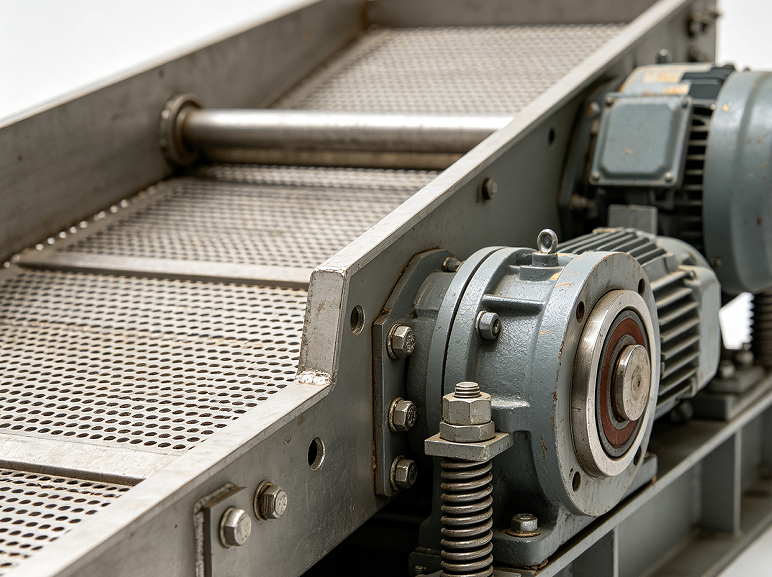
How Often Should You Replace These Parts
The real answer is: it depends how hard you run the equipment and what you’re screening. But, in a typical mineral processing plant, here’s a good rule of thumb: Bearings need swapping every 12 to 18 months, or after 8,000 to 12,000 hours—whichever comes first. If you’re dealing with high heat or dirty conditions, expect to cut that short.Seals should get inspected every 3 to 6 months. Change them at least once a year, or right away if you spot leaking grease.Shaft journals can hang in there for 3 to 5 years if you keep them lubricated, but check for scoring or damage every time you change the bearings.Housing liners last around 2 to 3 years, depending on how abrasive your material is.Bolts and locking hardware need freshening up every two years, or whenever your manual says so.
The Price of Ignoring It
Skip these replacement cycles, and you’re rolling the dice. When a bearing goes bad, it heats up and can seize, trashing the shaft and housing with it. Let the seals fail, and you will get contaminants in the bearings—wear accelerates in no time. Signs you’re running into trouble? Listen for new grinding or knocking noises, check for excessive heat, look for leaks, or notice any weird changes in how the exciters vibrates.
Schedule regular inspections, replace the parts of screen exciter when you’re supposed to, and keep a stash of spares on hand. That’s how you keep everything efficient and avoid a shutdown that’ll cost you way more in the long run. A solid maintenance plan isn’t just smart—it’s essential.
Leave a Message