

As we all know, ordinary screens often clog when screening fine-particle minerals, a problem that becomes increasingly difficult to solve in the long run. Polyurethane fine screens are a powerful tool for solving this problem. If the particles to be processed are smaller than 6 mm, metal screens simply cannot achieve the desired screening effect. Why?
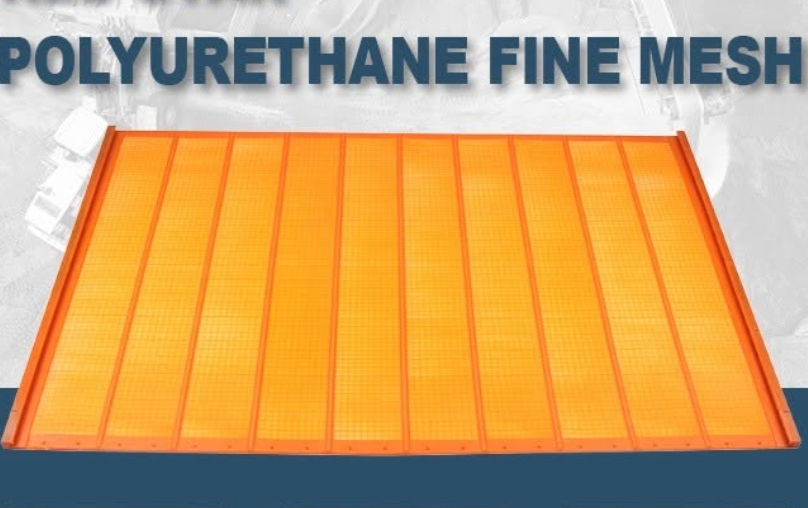
The Real Challenge of Fine-Particle Screening
Fine particles are highly sticky and abrasive, easily clogging screens. Steel screens are ineffective in this regard; the screen openings deform during the screening process, and the material easily clogs the screen. Polyurethane fine screens perfectly solve this problem because polyurethane has good elasticity; even if the screen openings deform upon impact, they quickly return to their original shape. Furthermore, it has a self-cleaning effect, making it less prone to clogging.
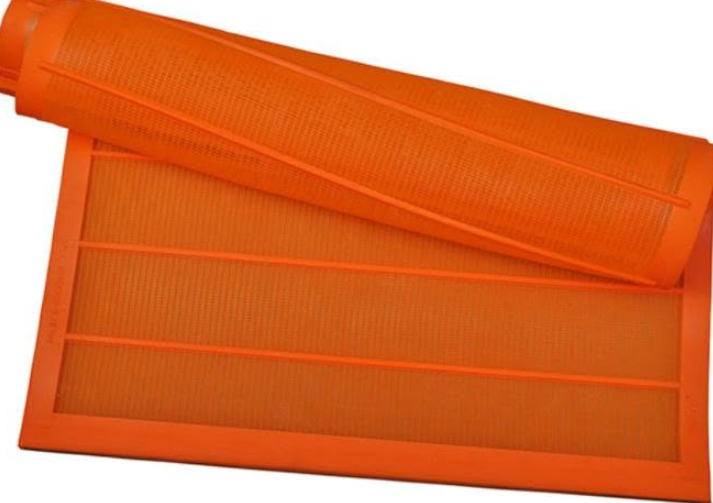
Practical application Scenes of polyurethane fine screens
In practical applications, polyurethane fine screens dominate desliming, dewatering, and grading circuits in iron ore, coal, copper, and gold processing. Polyurethane screen plates typically have an opening ratio of 35% to 45%, while metal screen plates have an opening ratio of only 25% to 35%. This higher opening ratio ensures smooth flow of fine-particle minerals, preventing clogging.
If downtime in your fine screening process has caused significant losses, it's time to replace the screens.Polyurethane fine screens represent an upgrade in all aspects compared to traditional screen materials.
Leave a Message