

Designing wedge wire screen slot spacing is a core engineering trade-off. Narrower slots strengthen the panel but risk blinding and reduce throughput; wider slots improve flow but can compromise separation accuracy and structural durability. The optimal balance depends entirely on your specific material and process conditions.
The Core Trade-off: Panel Strength and Open Area
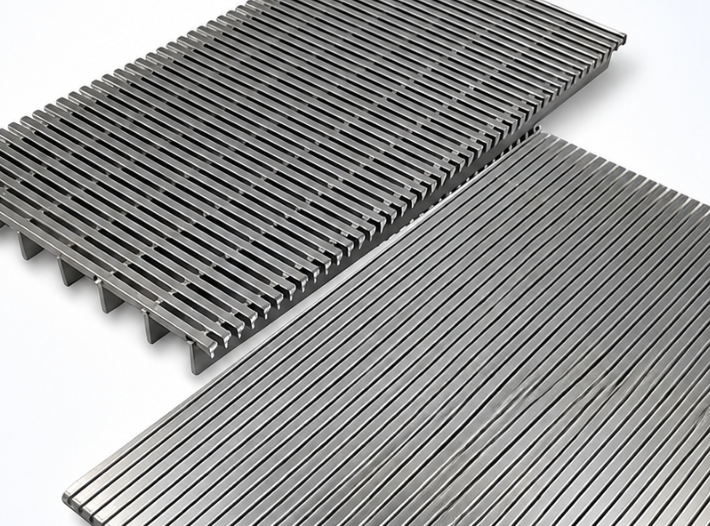
The spacing directly dictates structural integrity. Narrower slots increase wire density, creating a sturdier panel that resists deformation from impact and high tension—essential for abrasive, high-load applications. However, this reduces the percentage of open area, potentially limiting capacity and increasing plugging risk with sticky materials. Wider slots of wedge wire screen maximize open area for better flow but reduce support points, making the screen more flexible and potentially vulnerable under heavy or erratic feed.
Aligning Spacing with Material Behavior
Your feed material dictates the starting point. For fine, dry, free-flowing materials like sand, narrower slots of wedge wire screen can achieve precise separation. For moist, cohesive, or fibrous feeds common in dewatering, wider slots are necessary to prevent rapid blinding and maintain throughput, even with a slight trade-off in accuracy.
Optimizing for Process Goals: Accuracy or Capacity
Your primary goal shapes the decision. For high-precision grading, consistent, narrow slots are key, though screen area may need to increase to maintain rate. For high-capacity scalping or dewatering, wider slots handle volume better. A practical strategy is using progressive spacing which is wider at the feed end to manage load, narrowing toward the discharge for final sizing—to balance both demands across a single deck.
Strategic Design Beyond Basic Spacing
True optimization involves more than slot width. The wedge wire mesh matters; a thicker base or specialized shape can provide inherent strength for finer effective openings. The support rod design and pitch must be engineered to match the chosen spacing and expected load. For severe duty, high-tensile stainless steel alloys provide the material strength to sustain efficient, fine-slot designs over the long term.
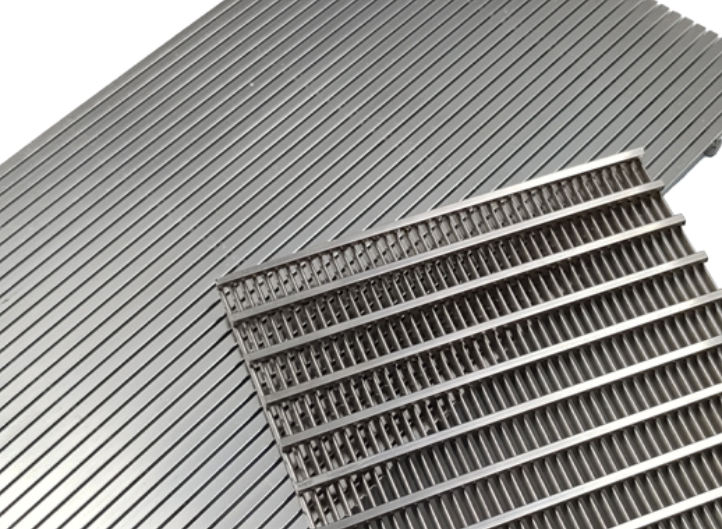
The right balance of selecting wedge wire screen is a data-driven compromise. It requires analyzing your material’s abrasiveness, moisture, and peak load—not just average conditions. Collaborating with your screen provider to model stresses and flow often yields the best solution: a spacing that delivers the required screening performance while being robust enough to survive your plant’s daily operation.
Leave a Message