

Getting self-cleaning screens safely to customers overseas is the last, but crucial, step in the supply chain. These panels—typically crafted from top-notch polyurethane and strengthened with steel—are pretty vulnerable to moisture and rust when shipped over long distances. Humid environments break down the polymer, and salty air or condensation can corrode exposed metal. That means protecting these screens isn’t just a nice-to-have; it’s absolutely essential if you want to keep your investment safe and your clients happy.
Comprehensive Pre-Packaging Preparation
Preparation starts well before the screens get packed into crates. Every panel needs a detailed inspection. People focus on the metal areas—bolt holes, steel-insert edges, and reinforcement strips—cleaning them thoroughly. Then comes a layer of rust-inhibiting primer or a thin anti-corrosion coating. This stage locks out lingering moisture, preventing flash rust and sets the stage for more protection.
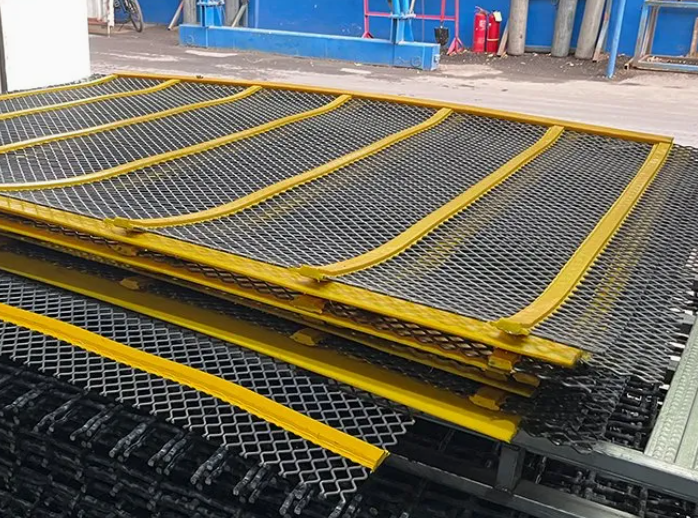
Building a Robust, Multi-Layer Protective Barrier
Now for the real shield. First, workers wrap each panel in VCI film. Unlike ordinary plastic, this stuff actually releases a vapor that forms an invisible layer on the metal, stopping rust in its tracks. On top, they add heavy-duty waterproof kraft paper or bubble wrap to fend off scratches and bumps. Finally, the whole thing gets sealed inside a thick, heat-sealed polyethylene bag, making it completely waterproof and airtight. The bag keeps out humidity, rain, and salty air on ocean voyages.
Secure Crating and Active Moisture Control
Once wrapped, the panels get placed in tough, export-grade wooden crates. The wood is always fumigated or heat-treated, so it meets international standards. Before sealing the crates, desiccant packets are added—these aren't just tossed in; they're carefully chosen based on the crate size and how long the shipment will take. The desiccants pull in any moisture left behind, so the screens stay dry all the way, no matter what the weather’s like outside.

Putting this kind of careful system in place isn’t just about protecting your product—it’s about your reputation. When you combine detailed prep, smart VCI tech, waterproof packing, and moisture control, those screens land in perfect shape, ready to perform. You avoid headaches like returns, warranty claims, or delays, and show your clients you’re the kind of supplier who delivers quality, not just a box of goods.
Leave a Message