

Selecting metal woven screens for the pre-screening process of heap-leaching gold ore requires a careful analysis of two primary degradation forces: wear and corrosion. This stage handles coarse, abrasive ore that causes mechanical wear, while exposure to moisture and process chemicals (like cyanide or acid) triggers corrosion. These factors often work synergistically, where corrosion weakens the metal surface, accelerating wear, and wear removes protective layers, exposing fresh metal to further corrosion. Understanding this dual challenge is key to choosing screens that offer long service life and reliable performance, ensuring a consistent feed size for optimal leaching efficiency.
Material Selection: Balancing Resistance and Cost
The core of the analysis focuses on material choice, which dictates the inherent wear and corrosion resistance. High-carbon steel screens provide excellent wear resistance against abrasive ore at a lower cost, making them suitable for drier operations with minimal chemical exposure. However, in the wet, chemically active environments common in heap-leaching, their corrosion resistance is poor. Stainless steel, particularly 316 stainless, offers a robust compromise, providing good resistance to many leaching solutions while maintaining adequate wear properties. For the most aggressive combined conditions, alloys like duplex stainless steels or abrasion-resistant steels with specialized protective coatings may be necessary, though at a higher initial investment.
Design and Operational Strategies to Mitigate Degradation
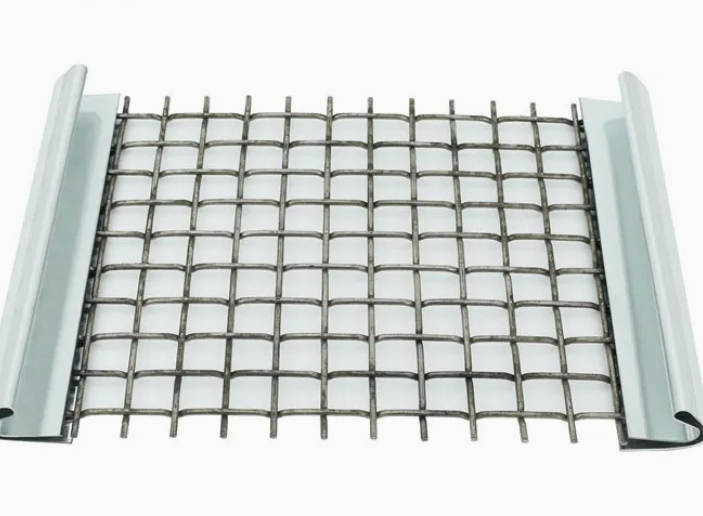
Beyond material, screen design and operational practices significantly impact longevity. Opting for a heavier wire diameter than the minimum strength requirement provides a crucial “wear allowance,” extending functional life. A flat top weave is advantageous as it minimizes crevices where corrosive agents can accumulate and initiate pitting. Ensuring the screen is correctly installed and tensioned reduces harmful vibration and flexing that can accelerate both wear and corrosion fatigue. Implementing a regular inspection and maintenance schedule allows for proactive replacement before failure, preventing unplanned downtime and protecting downstream equipment.
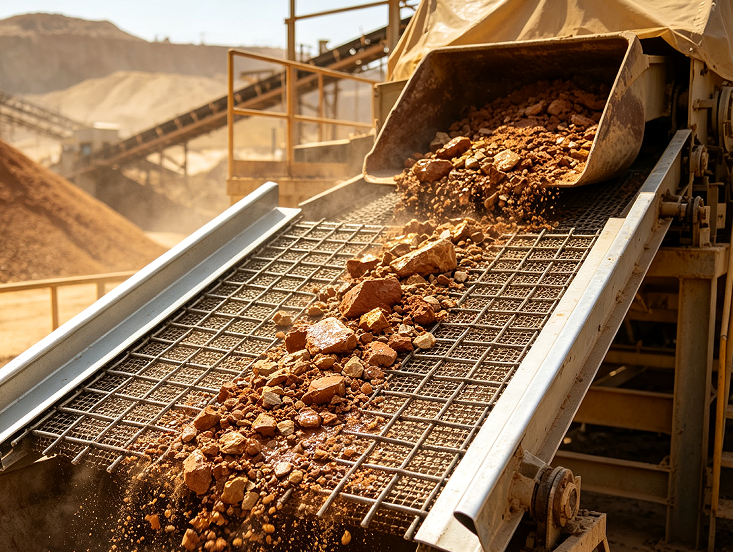
Effective screening in heap-leaching gold ore operations demands an integrated approach. The analysis should not treat wear and corrosion in isolation but evaluate their combined effect on your specific ore and process chemistry. The goal is to select a metal woven screen that delivers the best balance of resistance and total cost of ownership over its lifecycle. By making an informed choice based on this holistic analysis, you can achieve more predictable maintenance, lower operating costs, and ensure the pre-screening process reliably supports the overall gold recovery circuit.
Leave a Message