

Screening ultra-hard ores like granite, basalt, or high-silica iron ore is exceptionally demanding on screening media. The extreme abrasiveness rapidly wears down standard screens, leading to frequent failures, high replacement costs, and costly downtime. For these severe applications, high-manganese steel woven wire screens offer a superior solution. Their key advantage is not initial hardness, but a unique ability to work-harden under impact, transforming in service to deliver outstanding longevity and cost-effectiveness, making them a strategic choice for primary crushing and scalping circuits processing abrasive feed.
Superior Wear Life Through Dynamic Work-Hardening
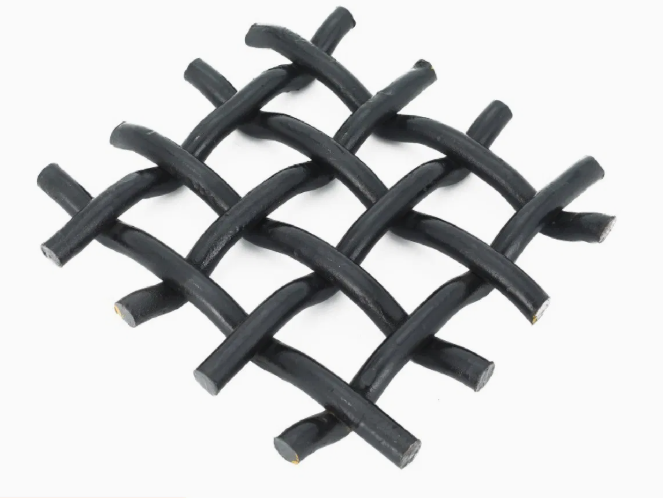
The primary advantage of high-manganese steel woven screen is its metallurgical property. Under the repeated impact of ultra-hard ores, the screen surface undergoes work-hardening, becoming progressively harder and more resistant to abrasion. This contrasts with materials like high-carbon steel, which may start hard but can become brittle and crack. For the punishing conditions of screening hard rock, this self-strengthening characteristic directly results in a much longer service life and reduced frequency of change-outs compared to conventional screens.
Exceptional Toughness and Impact Resistance
Beyond surface hardening, high-manganese steel possesses inherent high toughness. This gives woven wire screens made from this alloy remarkable resistance to deformation, fatigue, and breakage under the high tension and dynamic loading of modern, high-capacity vibrating screens. They maintain structural integrity and aperture accuracy over extended periods, ensuring consistent screening performance and protecting downstream equipment from damage caused by failed screen panels.
Cost-Effectiveness in High-Abrasion Scenarios
While the initial cost per square meter of a high-manganese steel woven metal screen may be higher, its economic advantages are clear in total cost of ownership analysis. The dramatically extended service life means significantly fewer replacements. This reduction directly lowers costs associated with spare parts inventory, labor for installation, and, most critically, production losses during downtime. For operations where screen wear is the primary limiting factor, investing in high-manganese steel woven wire screens for critical high-wear stages often proves to be the most cost-effective strategy long-term, delivering a lower cost per ton of material processed.
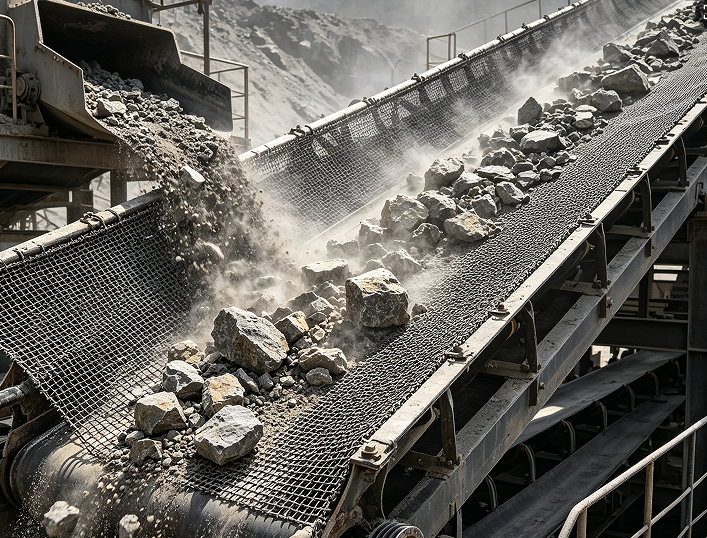
Selecting screening media for ultra-hard ores requires a focus on long-term performance under impact and abrasion. High-manganese steel woven wire screens provide a compelling solution by combining transformative work-hardening capability with inherent toughness. They are engineered to endure and adapt to punishment. By choosing this material for severe-duty applications, operations can achieve greater reliability, consistent sizing, and optimal operational economy, making it a strategic investment for circuits processing the most challenging abrasive materials.
Leave a Message