

When a centrifuge is running at full speed, the screen inside it is doing far more work than most operators ever stop to think about. It separates solids from liquid thousands of times per minute, and every one of those cycles drags a fresh layer of hard material across the same surface. That is why wedge wire screens fitted to centrifuge baskets are judged on two things above everything else: how accurately they are cut, and how long they hold their shape before wear starts quietly changing the results. Get either one wrong and you will feel it in rising moisture content, product loss through the centrate, and unplanned stoppages well before the screen visibly fails.
Slot Accuracy Is Where Separation Quality Begins
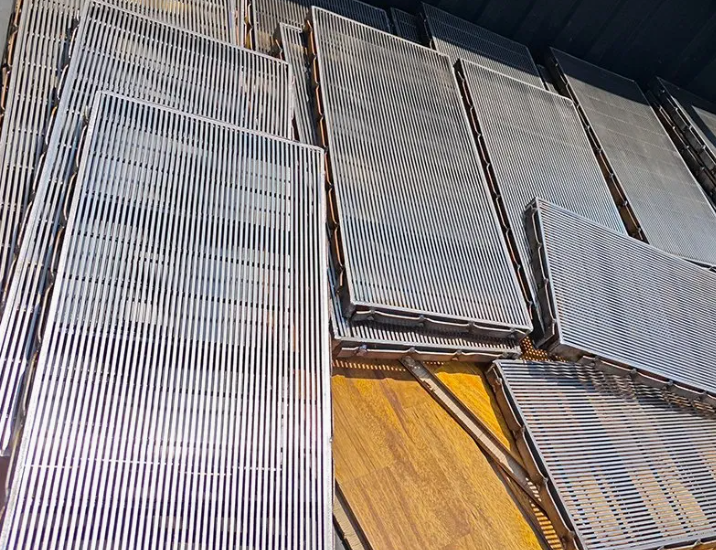
The slot opening on wedge wire screens is measured in fractions of a millimetre, and inside a centrifuge that tolerance is not a nicety — it is the whole job. If a slot’s a bit too wide, fine solids slip out with the liquid. You’ll notice this farther down the line—cloudy filtrate, or product that doesn’t meet spec. On the other hand, if it’s too narrow, you choke throughput and force the drive to work harder, burning more power just to keep up. So, consistency matters every bit as much as hitting that nominal size. A basket with uneven slots won’t discharge evenly. That uneven flow turns into vibration, extra load on the bearings, and honestly, your drive assembly just won’t last as long. The good manufacturers pay attention to this—they keep the entire circumference tight, rather than just quoting an average.
Wear Resistance Under Continuous Load
Abrasion is the other half of the story, and it is where wedge wire screens genuinely earn their place in this duty. The continuous V-shaped profile gives particles less surface area to grab onto compared to a punched hole. Plus, since the slot widens inward, it’s way less likely that material will wedge or blind the surface. Still, material selection is where everything finally comes together. Standard 304 stainless works fine for light-duty jobs. If you’re dealing with chlorides, 316L earns its higher price. For tough mining or fine-coal applications, Duplex or other high-chromium alloys are your best bet—they hold up when softer screens would lose slot depth in just a single season. And don’t overlook support rod welds; wear often starts at those joints, not on the wire itself.
Specifying for the Duty You Actually Run
Instead of simply reordering a like-for-like replacement, it pays to note what your last wedge wire screen actually died of. Blinding, gradual slot widening, corrosion pitting, and impact damage all point toward different fixes, and the cheapest screen on paper is very often the one that costs the most per tonne processed.
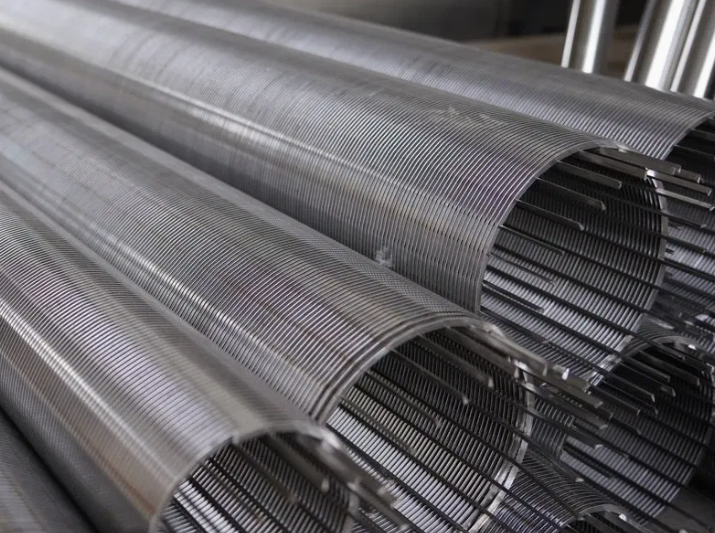
The screens that perform best are rarely the cheapest or the most heavily specified — they are the ones matched to the material, the bowl speed, and the maintenance window you truly have. Send us your media, slot size, and operating hours, and we will help you weigh alloys and tolerances against the duty you actually run, not just the one printed on the datasheet.
Leave a Message