

Safe delivery doesn’t start when the ship sets sail—it begins right on the factory floor. Shipping heavy equipment like Grizzly Bar Screens overseas is tough on the gear. These screens deal with a crazy mix of rough forklift handling, jostling during container loading, endless ocean motion, humid air, and salt spray. Each step along the way threatens to dent, warp, or rust something important. So, strong packaging isn’t just a box to check off—it’s what stands between your careful engineering and a disappointed customer. Get this part right, and you’re not just protecting hardware; you’re protecting your reputation.
The Real Hazards of Ocean Shipping
Grizzly Bar Screens don’t usually face disaster in one single blow. What really gets them is the slow, steady punishment: constant vibration, unexpected shocks, and unrelenting moisture that builds up over weeks at sea. Containers rock and shift, causing sudden stress on anything that’s loosely packed. Steel parts, especially at welds or machined edges, pick up rust fast in salty, damp conditions. Rough handling during transfers only adds to the risks. This is why a simple wooden crate just doesn’t cut it for these precision products.
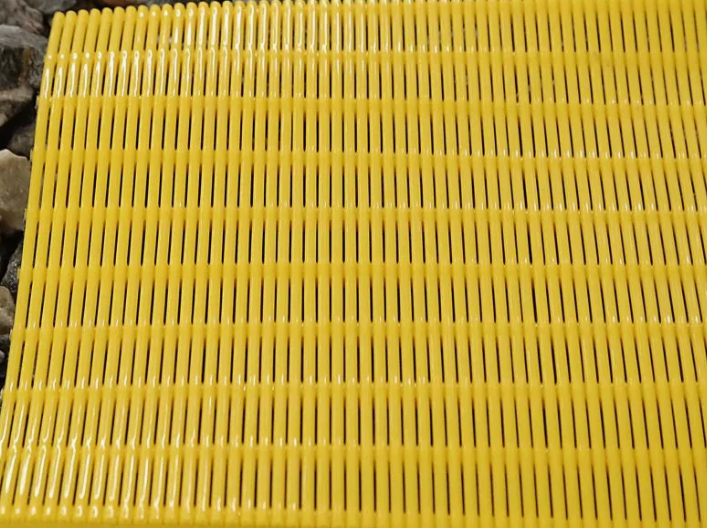
Layered Packaging for Real Protection
Grizzly Bar Screens need protection that goes beyond the basics. First, each bar or assembled screen gets wrapped in anti‑rust paper or VCI film, shielding it from moisture and salt. Next, foam, rubber, or carefully cut wood blocks cushion each part, so nothing bangs into anything else and shocks get absorbed. Then, everything goes into a tough, fumigated wooden crate or a steel‑case built to survive stacking and heavy bumps. Corners and bar tips especially need their own protectors, since those spots take the worst hits during shipping.
Keeping Cargo Locked and Dry
It’s not enough to build a strong crate—what matters is making sure nothing inside can budge. Grizzly Bar Screens have to be anchored tight using steel straps, bolts, or welded stops so ocean swells can’t shift them around. For full containers, dunnage or inflatable air bags fill the gaps and keep the load solid. On top of that, silica gel packs and humidity cards go inside the wraps to suck up any stray moisture, and the whole crate gets lined with waterproof plastic or tarpaulin for an extra seal. These steps stop both rust and shock in their tracks throughout the journey.
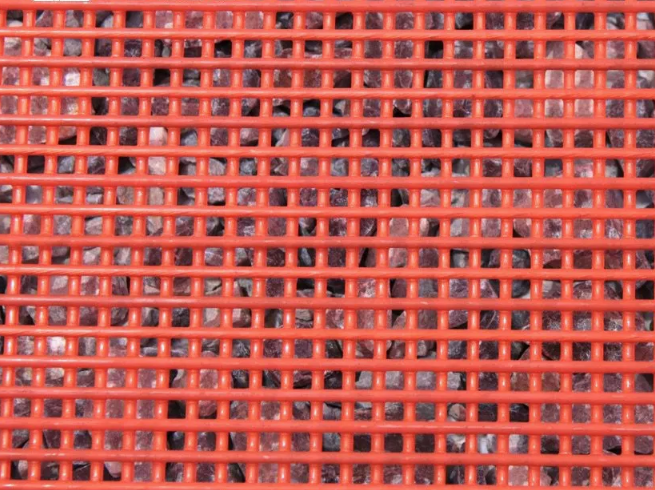
In the end, smart packaging is what delivers true value to your customers overseas. Mixing corrosion defense, shock absorption, and smart securing methods means Grizzly Bar Screens arrive ready to install—no surprises, no headaches. If you’re preparing an export shipment and want a custom plan that fits your equipment, let our team help you keep everything safe from your door to theirs. Reach out and let’s talk about your next sea freight project.
Leave a Message