

For mineral processing, aggregate and recycling operations looking to boost screening efficiency without upgrading their entire vibrating screen deck, choosing the right aperture shape for Polyurethane Screens is one of the most overlooked, high‑impact adjustments they can make, since the effective open area ratio directly determines how much material can pass through the panel per unit of time. Many teams stick to the standard square aperture they have used for years without realizing that different aperture shapes can deliver drastically different open area performance, material flow characteristics and anti‑clogging results, even when the nominal aperture size stays exactly the same. A clear comparative analysis of these common shapes helps operations pick the optimal design for their specific feed material, getting far better screening throughput without major extra investment in new equipment.
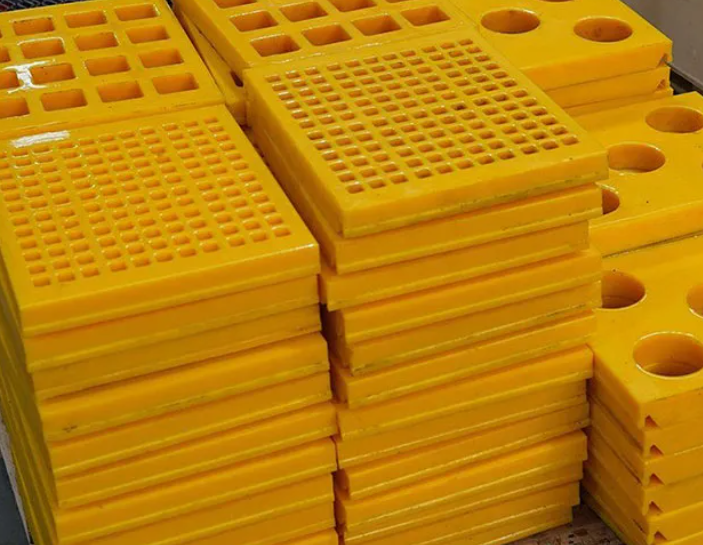
Core Performance of Square and Rectangular Aperture Designs
Square apertures are the most widely used standard design for general‑purpose Polyurethane Screens, delivering a balanced open area ratio that usually sits between 35% and 45%, with highly consistent particle classification results that make them ideal for most standard mineral and aggregate sizing applications. Long rectangular aperture designs, by contrast, can push the effective open area ratio of Polyurethane Screens up to 50% or even higher, since they reduce the total amount of solid polyurethane material between adjacent openings, which makes them a perfect fit for dewatering operations and screening fine, dry granular materials that rarely cause blockages.
Specialized Aperture Shapes for Challenging Working Conditions
For operations that process sticky, moisture‑heavy materials that constantly clog standard square apertures, slotted and tapered aperture Polyurethane Screens are engineered with openings that widen from the feed side to the discharge side, delivering a reliable open area ratio that stays consistent even during long continuous production shifts. These specialized shapes do not deliver the absolute maximum theoretical open area ratio, but they prevent near‑sized particles from getting stuck inside the openings, so their actual working open area stays far higher than standard square apertures that quickly get plugged up with sticky feed material.
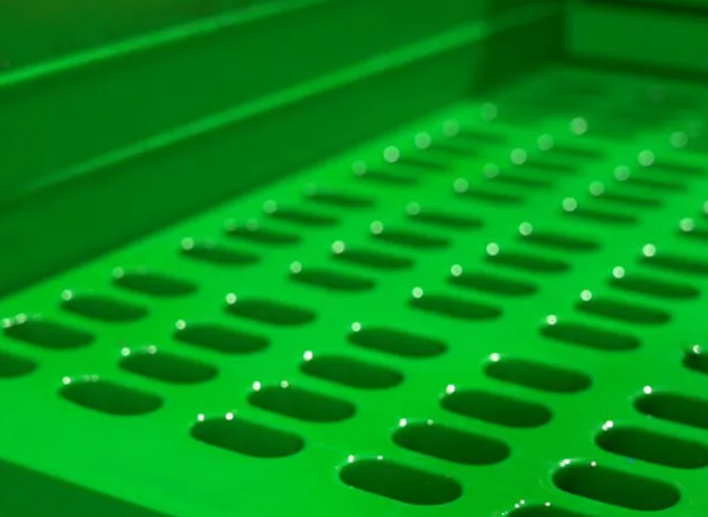
Understanding how different aperture shapes impact the effective open area ratio of Polyurethane Screens helps operations make far more informed purchasing decisions, boosting real screening throughput and reducing unplanned downtime caused by screen clogging, without requiring any major modification to their existing vibrating screen equipment. If you need a customized aperture shape recommendation, our technical team can run a full comparative analysis to find the design that delivers the best possible working open area for your site.
Leave a Message