

For mineral processing operations located near residential zones or subject to strict local occupational health and environmental protection regulations, excessive operating noise from screening equipment has long been a hidden compliance risk that can lead to unexpected fines, production shutdowns, and long‑term hearing damage for on‑site maintenance crews. Many operations that installed generic self‑cleaning screens without formal noise testing later found their units far exceed local noise emission limits, forcing them to spend extra budget on retrofitting expensive sound insulation covers that reduce equipment accessibility for routine maintenance. A full, standardized Self‑Cleaning Screens Testing workflow focused on operational noise levels and environmental compliance eliminates these hidden risks completely, confirming every unit you put into service meets all regulatory requirements right out of the factory.
Full‑Load Operating Noise Benchmark Testing
The first core segment of rigorous Self‑Cleaning Screens Testing measures real‑time noise levels across all standard operating conditions, including full feed load, maximum vibration frequency, and continuous 8‑hour runtime, with sound level meters placed at 1‑meter distance from the screen deck and 1.5‑meter height matching typical worker standing positions. Our factory’s optimized structural design, which adds layered polyurethane vibration damping pads between the screen frame and base, keeps measured noise levels consistently below 85dB even under full continuous load, far lower than the 90dB threshold that triggers occupational health protection requirements in most regions.
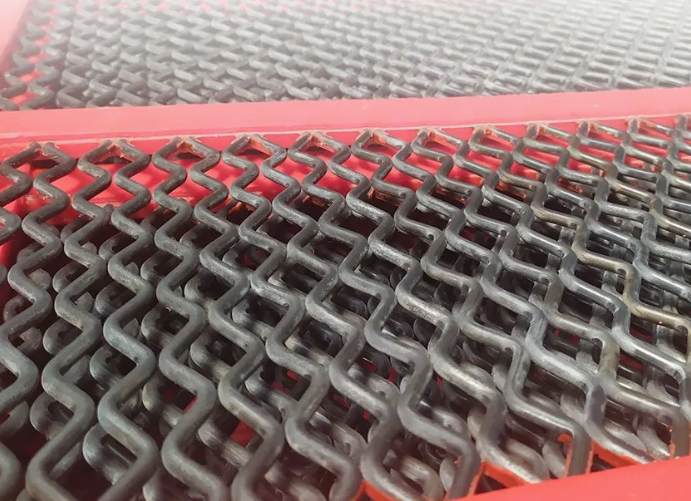
Emission and Dust Control Compliance Verification
The second key part of this Self‑Cleaning Screens Testing process checks the effectiveness of the unit’s integrated dust sealing structure, running continuous high‑moisture and dry fine material feed tests to confirm no excessive fugitive dust leaks out of the screening enclosure during operation. This testing verifies that the unit meets national industrial dust emission standards, with all fine particulate matter fully contained within the sealed deck structure to avoid exceeding local environmental air quality limits at the plant boundary.
Long‑Term Vibration Isolation Performance Validation
The third critical testing segment tracks vibration transmission levels from the self‑cleaning screen unit to the underlying plant concrete foundation, confirming that the optimized damping system prevents excessive vibration from spreading to adjacent equipment or building structures that could create secondary noise pollution across the whole workshop. This long‑duration test runs for 72 consecutive hours to confirm the damping materials do not degrade or lose performance under sustained high‑frequency vibration, ensuring noise and vibration control performance stays consistent across years of normal operation.
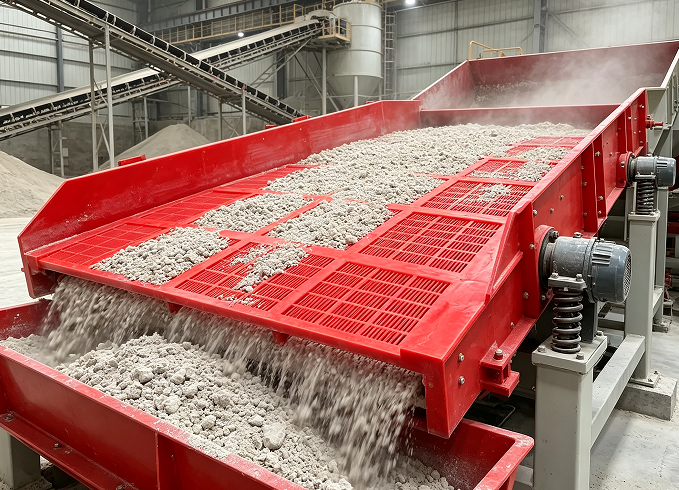
Our factory’s complete Self‑Cleaning Screens Testing system for noise and environmental compliance guarantees every delivered unit meets both local regulatory requirements and strict occupational health standards, saving you from unexpected compliance penalties and unnecessary post‑installation retrofitting costs.
Leave a Message