When you specify self-cleaning screens, most buyers focus on aperture size or material type and skip the crimp method entirely
for Self-Cleaning Screens: Lock Crimp and Standard Crimp
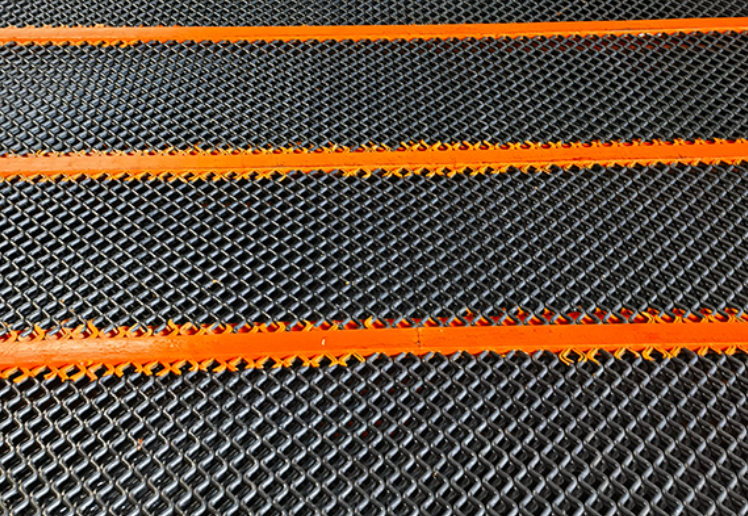

When you specify self-cleaning screens, most buyers focus on aperture size or material type and skip the crimp method entirely
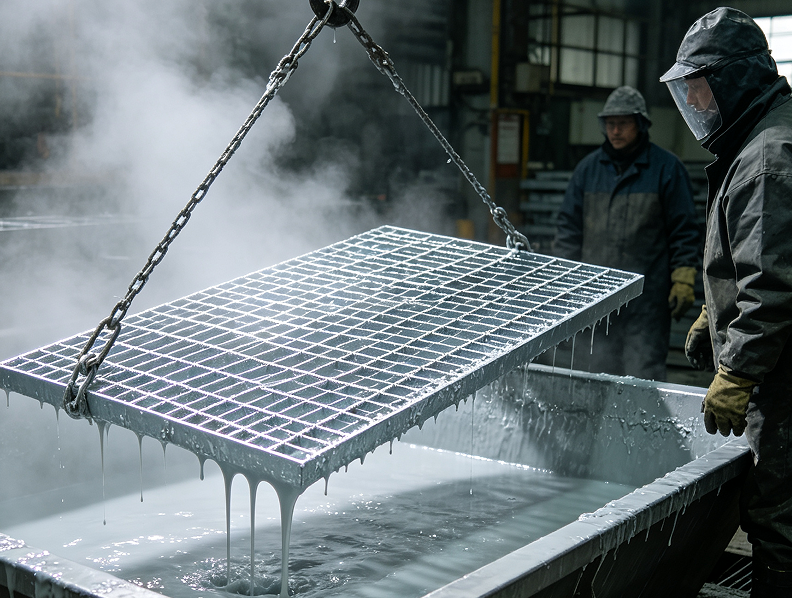
Choosing the right coating for steel grating isn’t just a box you check, it’s the difference between decades of hassle-free use and a never-ending cycle of repairs
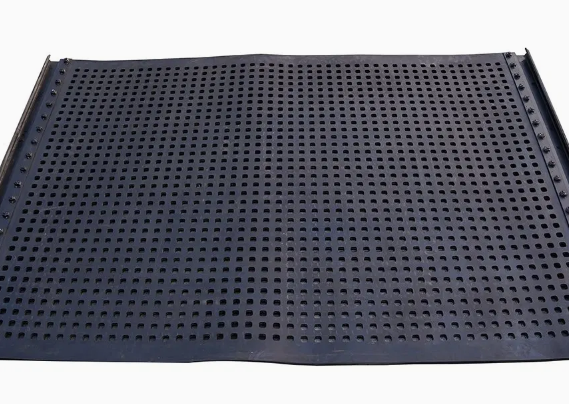
Low-temperature environments increase the risk of screen embrittlement—a challenge that most standard rubber screens cannot withstand—making screen panels more prone to cracking
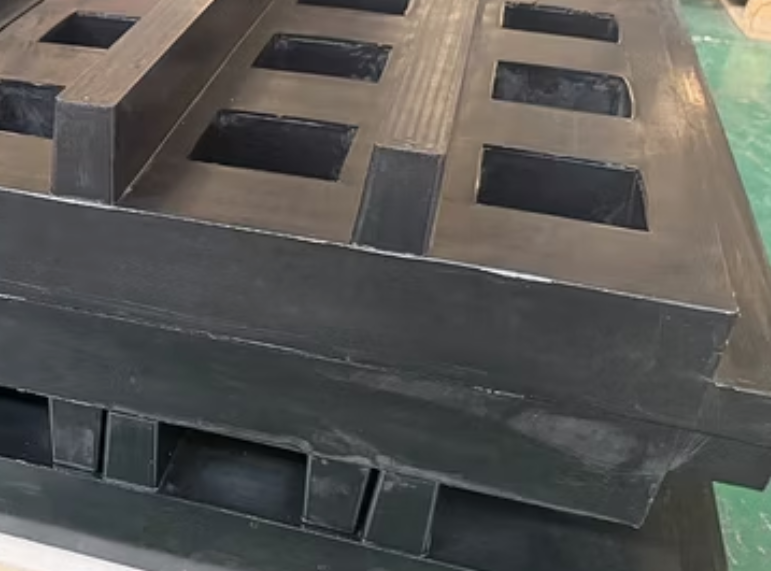
Building your coarse screening decks with impact-optimized rubber screen panels isn’t just about avoiding punctures and tears It means you stop replacing panels every week
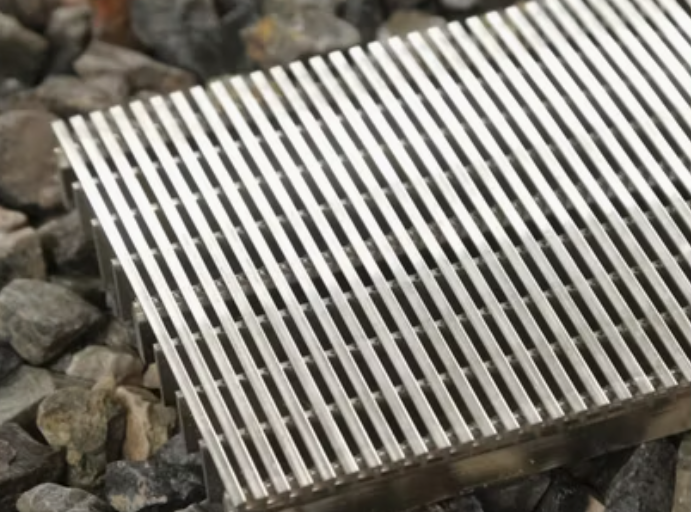
Every worn wedge-wire screen tells a story The specific patterns of abrasion, pitting, and deformation across its surface aren t just random damage—they re a direct report card on how the screen was installed and how the material flows across it
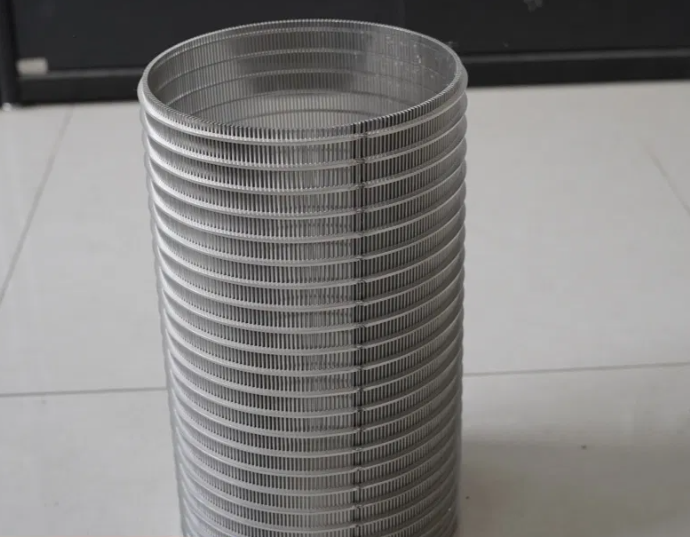
For anyone running a screening operation, the debate often comes to this: do you prioritize pinpoint accuracy or brute-force durability? That is a question about how to choose between wedge wire screens and perforated plates
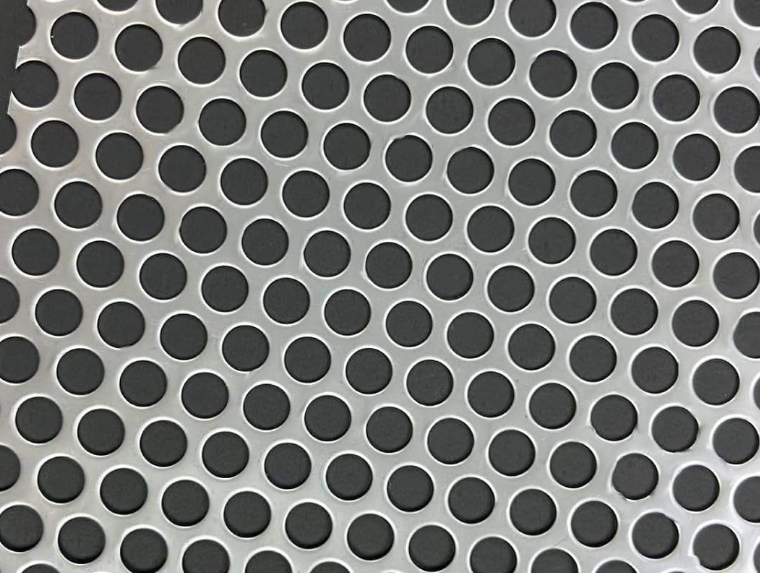
In industrial screening, the choice between woven wire mesh and perforated plate screens isn’t about specs, it’s about matching the tool to your operation
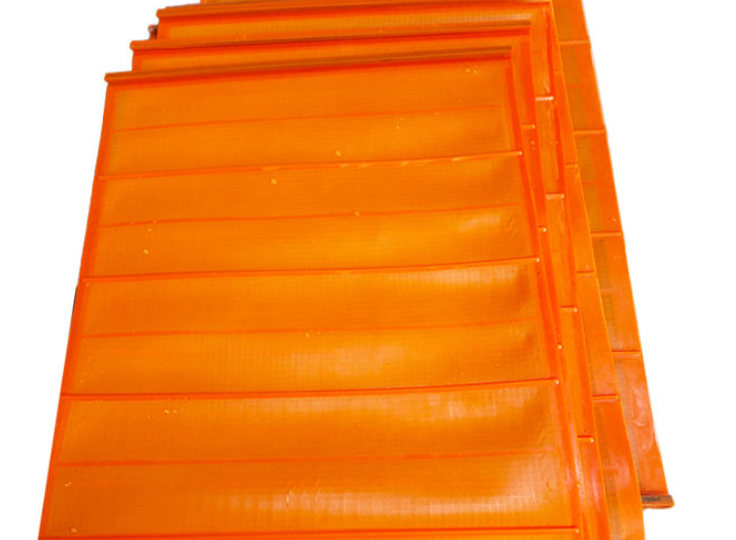
Rare earth elements are the backbone of so many high-tech industries, so getting the sorting process right really matters One piece of the puzzle that can make a big difference? Polyurethane fine screens
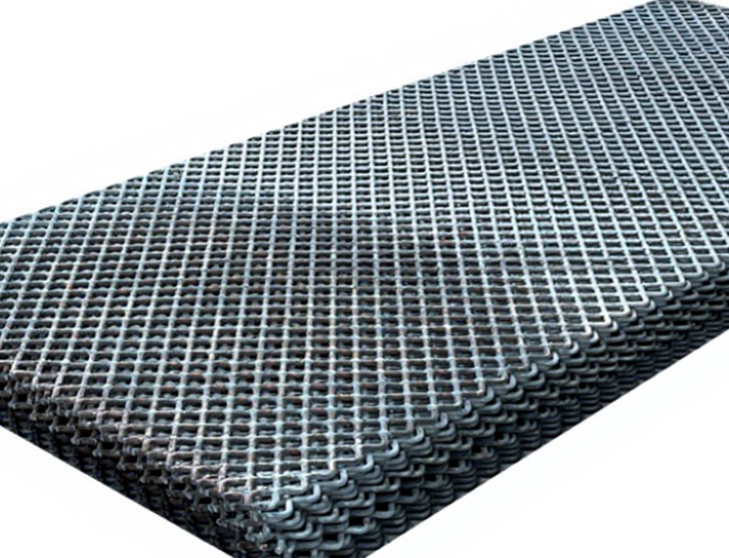
When inquiring about prices, it is crucial to clarify the following three key parameters to avoid hidden costs and ensure you purchase welded screens that meet your needs
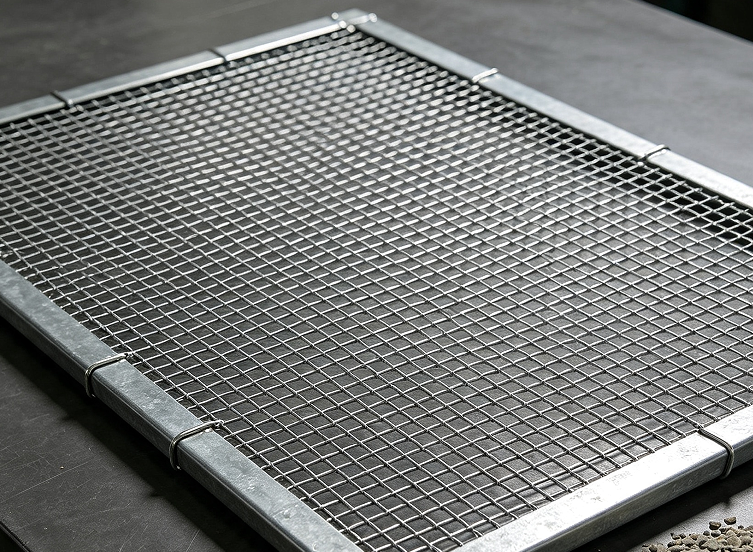
Properly processed hot-dip galvanized welded screens create a strong, long-lasting protective barrier that holds up far better under regular moisture, dust and minor chemical exposure